Kevin Stitt Warns Trump Against Federalizing Elections as Courts Block Key Directives
President Donald Trump is facing an unusually sharp warning from inside his own political territory. Oklahoma Gov. Kevin Stitt, a conservative Republican whose state gave Trump a sweeping victory in 2024, says Washington should not take control of elections traditionally managed by states and local officials.
Stitt’s warning matters because it does not come from a Democratic governor or a liberal voting rights group. It comes from the governor of a state where Trump carried all 77 counties in 2024, making Oklahoma one of the clearest symbols of his strength among Republican voters.
A Warning From Trump Country
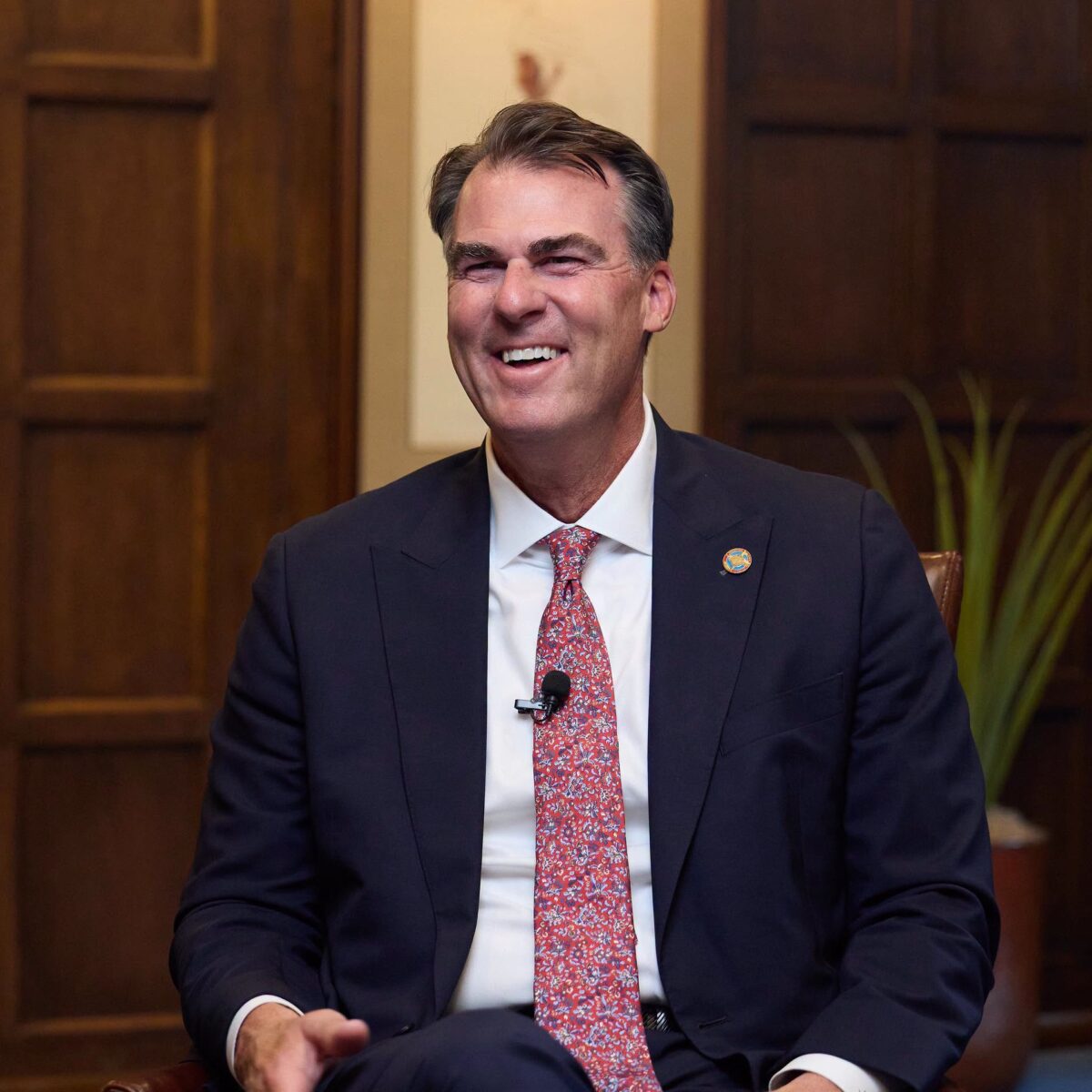
During an Associated Press interview as he prepared to hand leadership of the National Governors Association to Maryland Gov. Wes Moore, Stitt cautioned against efforts to federalize elections. He argued that America’s founders divided power among the states because different communities should not be forced into one national system.
Stitt did not reject election security or transparency. Oklahoma requires absentee ballots to be notarized, and the governor supports strong state safeguards, but his message was that those decisions should remain close to the voters and officials who administer elections.
That distinction puts Stitt at odds with the direction of Trump’s recent executive actions. The White House says the measures are designed to prevent noncitizen voting, strengthen citizenship verification, protect election integrity, and improve public confidence.
Trump’s Expanding Election Directives
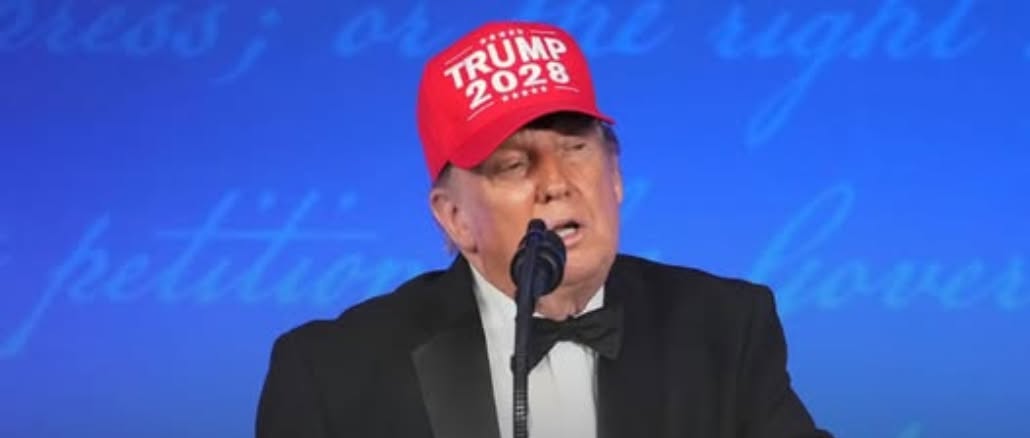
In March 2025, Trump signed Executive Order 14248, which sought documentary proof of citizenship for the federal voter registration form and directed agencies to consider withholding certain funds from states that did not follow election related requirements. The order also called for expanded federal access to voter information and changes involving voting systems and ballot deadlines.
A second order, signed in March 2026, directed the Department of Homeland Security to build and transmit state citizenship lists using federal records. It also created a larger federal role in mail voting, including instructions involving the Postal Service and possible enforcement against officials operating outside the proposed system.
The administration presents these actions as defenses against fraud and unlawful voting. Critics argue that the president is trying to rewrite election rules through executive authority even though the Constitution’s Elections Clause assigns congressional election procedures to state legislatures and Congress.
Federal Courts Push Back
Courts have already blocked important parts of Trump’s agenda. In October 2025, a federal court permanently stopped the administration from imposing documentary proof of citizenship through the national voter registration form, concluding that the president could not unilaterally change procedures entrusted to Congress and the states.
Another lawsuit challenged the administration’s expanded citizenship verification database. In June 2026, a District of Columbia court found that federal agencies had combined sensitive personal data while trying to comply with Trump’s order and ruled that the system conflicted with legal protections governing federal records.
The latest setback came in July 2026, when the First United States Circuit Court of Appeals refused to pause an injunction against major portions of Trump’s 2026 order. The restrictions remain in place for 23 states and the District of Columbia ahead of the November elections while the administration seeks Supreme Court intervention.
Stitt Has Challenged Trump Before
This is not the first time Stitt has confronted Trump over presidential power and partisan treatment. Earlier in 2026, the White House initially planned a governors meeting that excluded Democrats, prompting the National Governors Association to say it could not treat the event as an official national gathering.
Stitt pressed the administration because the association represents governors from both parties. All governors were ultimately invited to the business meeting, although Trump continued excluding Maryland Gov. Wes Moore and Colorado Gov. Jared Polis from a separate White House dinner.
Trump responded by attacking Stitt as a “RINO,” meaning Republican in name only, and criticizing his record as governor. Stitt later said he did not want a fight with the president, but he also insisted Republicans should speak when they believe an approach is harmful to the country.
A Republican Line in the Sand
That is what makes the election dispute politically significant. Stitt is not breaking with Trump on every security proposal, but he is drawing a firm line between state safeguards and presidential control from Washington.
For Americans already worried about partisan distrust, confusing election rules, and federal pressure on state governments, the argument reaches beyond one governor or one executive order. It asks who should control the machinery that determines political power, especially when the president has a personal interest in the outcome.
Trump can dismiss Democratic criticism as predictable opposition, but Stitt is harder to brush aside. When a conservative governor from a state Trump swept warns against federalizing elections, the objection is no longer coming only from the political left; it is coming from inside the Republican base.