10 Awkward U.S. Buildings That Look Like Architecture Went Horribly Wrong
Some buildings are beautiful. Others look like somebody handed an architect a wild idea and forgot to take the marker away. Across America, strange landmarks sit beside highways, beaches, downtown streets, and tourist strips, daring people to stare, laugh, and pull out their phones.
That is what makes bizarre buildings so powerful. They may look absurd, oversized, awkward, or completely out of place, but they also tell unforgettable stories about branding, tourism, local pride, and fearless imagination. Here are 10 unusual American buildings that prove weird architecture can leave a stronger memory than another polished glass tower.
The giant basket that made corporate branding look unhinged
The Longaberger Basket Building in Ohio feels like an office that took its obsession with its product too far. Instead of placing a neat logo on the door, the company turned its headquarters into a giant woven basket with huge handles rising over the roof. That kind of literal branding could have looked childish, yet it became impossible to ignore. The strange shape makes the building feel half corporate shrine, and half roadside dare. For SEO readers searching for bizarre buildings in the U.S., this one earns its place because it proves architecture can sell a story before anyone steps inside and wonders why restraint lost the meeting.
The parking garage pretending to be a giant bookshelf
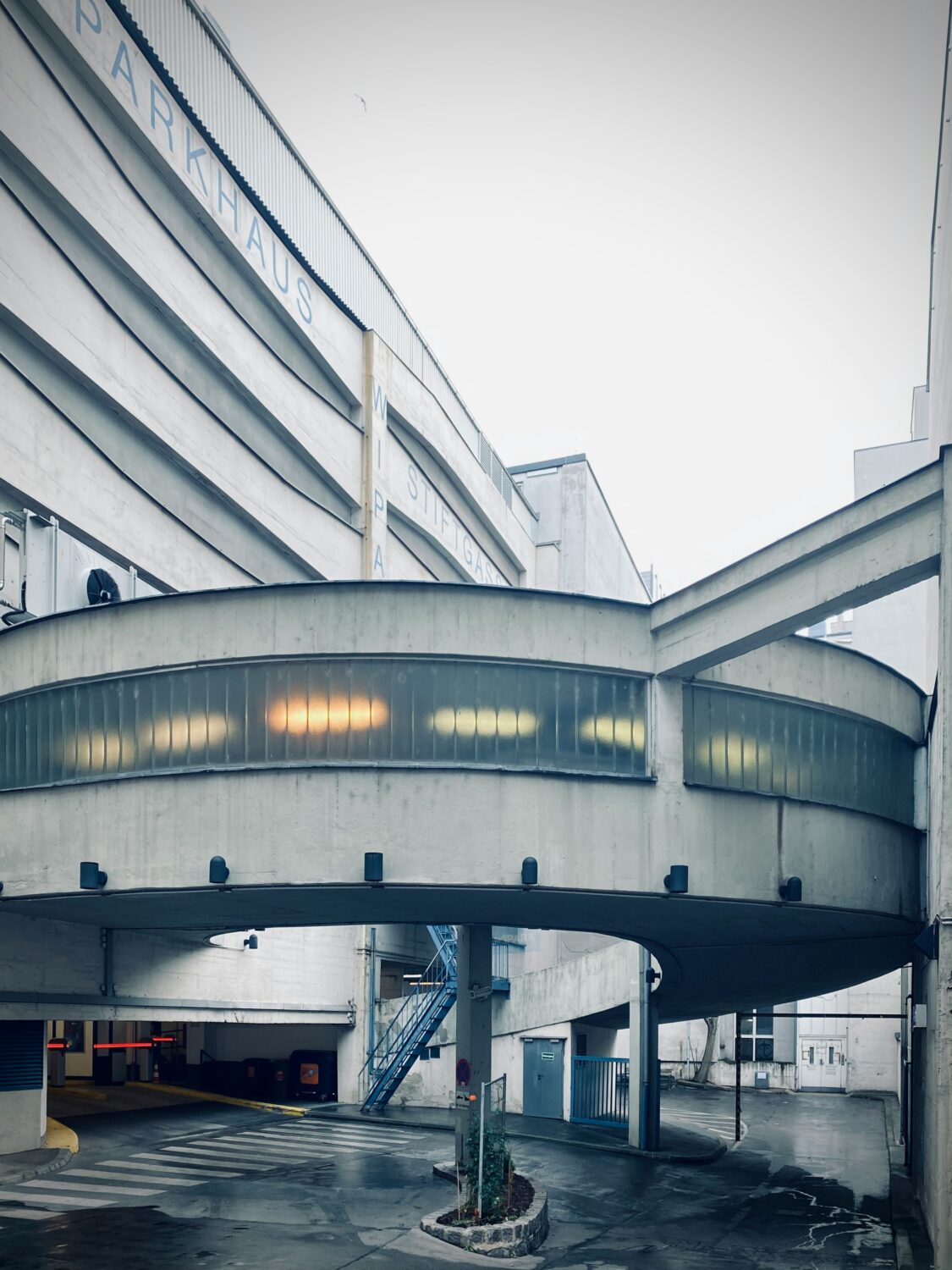
Kansas City’s Community Bookshelf makes a parking garage look like it got swallowed by a giant library shelf. The building hides an ordinary function behind huge book spines, giving downtown drivers something far stranger than concrete ramps and ticket machines. It feels playful at first, then oddly brilliant because the design turns dull infrastructure into civic identity. The risk is obvious. A garage dressed as books could have looked gimmicky, but here it becomes a bold public landmark. It is weird without feeling cheap, which is why travelers remember it long after the skyline fades from the rearview.
The duck building that turned roadside absurdity into fame
The Big Duck in Flanders, New York, looks like a roadside joke that refused to die. Built to sell ducks and eggs, the building does not advertise with a sign as much as it becomes the sign itself. That is the unsettling charm. You see a giant white duck sitting near the road and instantly know subtlety has left the building. Yet the odd shape helped turn a simple commercial stop into a protected landmark. It is bizarre, funny, and oddly persuasive, proving that American roadside design can turn pure absurdity into local pride and a photo stop drivers still talk about years later on long trips.
The elephant landmark that should have been ridiculous
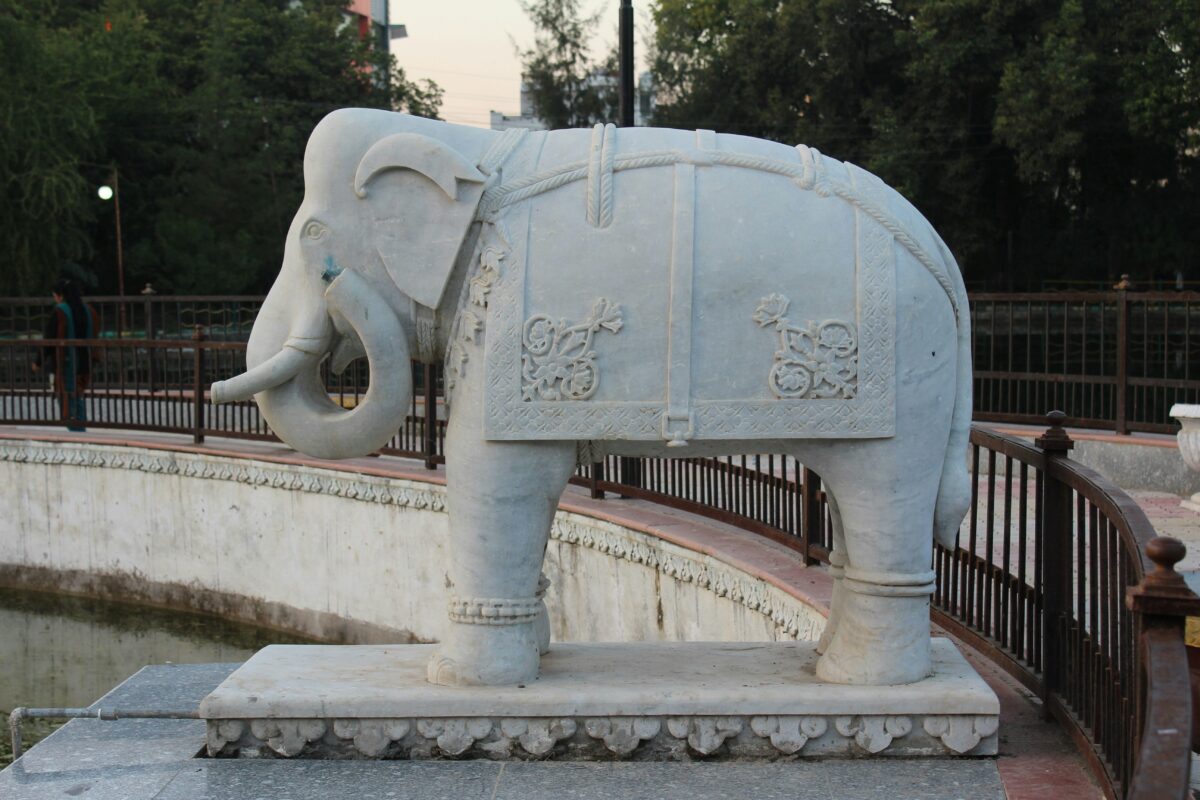
Lucy the Elephant in Margate, New Jersey, looks cute from a postcard, but the idea behind it is wildly strange. Someone built a walk-in elephant near the shore and expected people to treat it like real architecture. Somehow, they did. The six-story structure survived, outlasting demolition threats, storms, and shifting travel tastes. Its weirdness works because it is not just decorative. Visitors can step inside the animal-shaped landmark, making the whole place feel like a seaside fairy tale with a stubborn spine, a tourist smile, and an enormous trunk overhead by the beach today. now.
The shoe house that made advertising look deranged
The Haines Shoe House in Pennsylvania turns footwear into lodging, and that sentence alone explains why it belongs here. Built as a promotional stunt for a shoe businessman, the house looks like a giant boot planted in the countryside. It could have disappeared as a silly roadside gimmick, yet its odd charm gave it a second life as a tourist stop and rental. The danger with novelty buildings is that they can age badly, but this one keeps its grin. It feels strange, cozy, and slightly ridiculous, like an advertisement that learned how to host guests and pose for cameras without shame or apology.
The upside-down building that looks like a disaster scene
WonderWorks Orlando looks like a building that suffered a disaster and then decided to charge admission. The upside-down exterior makes the attraction impossible to miss on International Drive, where loud visuals are part of the local language. It uses architectural chaos as bait, pulling visitors toward exhibits before they even read the sign.
The design is not elegant, and that is exactly the point. It turns confusion into curiosity. For travelers, the building feels like a warning that Orlando architecture does not always want to behave and sometimes wins by looking completely broken on purpose.
The mystery mansion that feels designed by anxiety
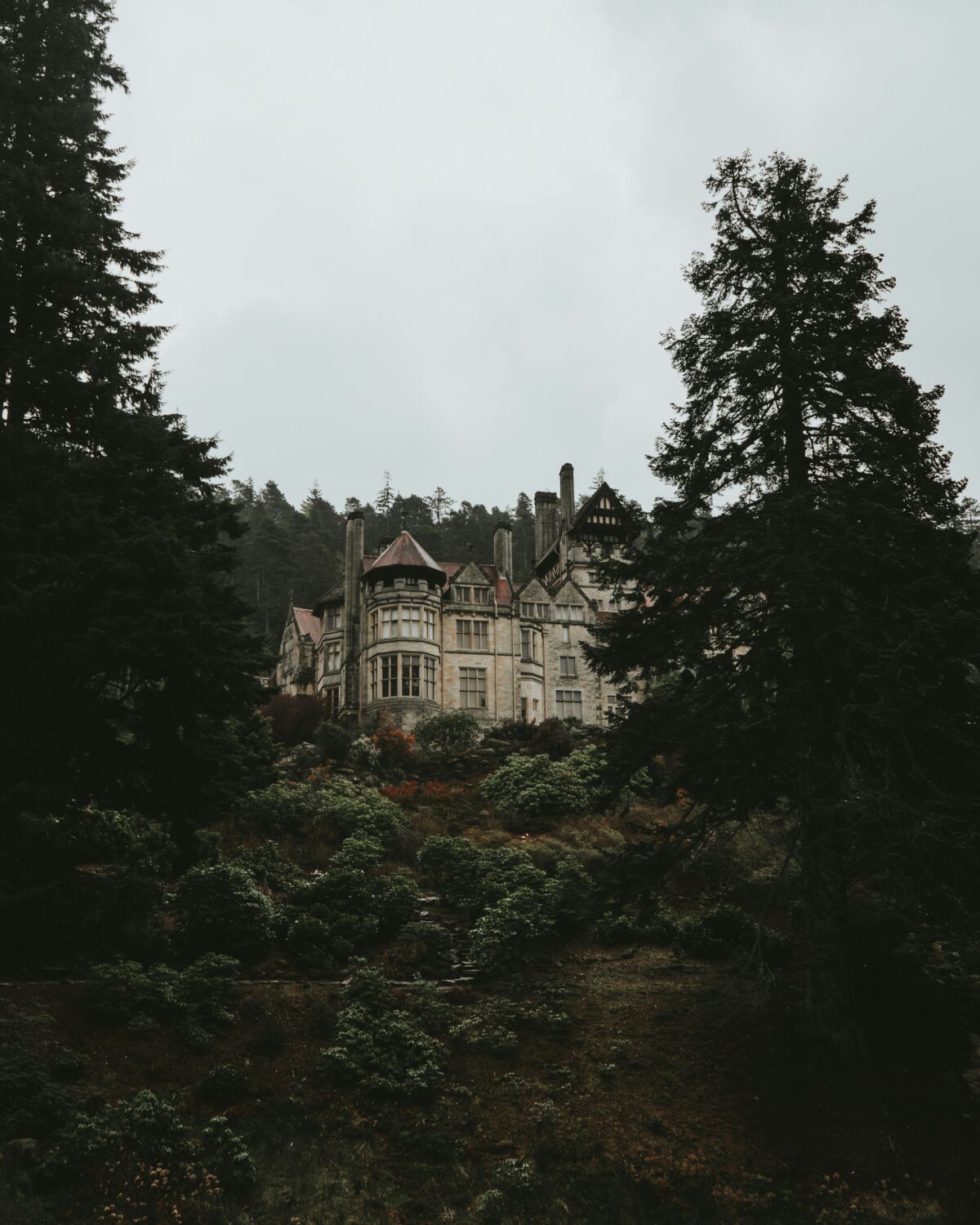
The Winchester Mystery House in San Jose does not need a cartoon shape to feel bizarre. Its unsettling power comes from confusion, with rooms, doors, staircases, windows, and odd passages creating the mood of a mansion that kept changing its mind. Unlike roadside novelty buildings, this one feels more psychological than playful. The design pulls visitors into a story of wealth, grief, rumors, and obsession. Every strange corner makes the house feel less like a residence and more like a maze built by anxiety, wearing Victorian clothes, polished wood, and secrets in every hallway after dark. too.
The corn-covered palace that wears a new skin
The Corn Palace in Mitchell, South Dakota, sounds like a prank until you realize the city keeps renewing the joke with real craft. Its exterior murals feature corn and other natural materials, turning an event venue into an annual agricultural costume. That makes the building feel both permanent and temporary, which is a strange trick for architecture. It stands in one place, but its skin changes with the harvest. The result is kitschy, colorful, and proudly regional. It proves that weird design can carry local identity without pretending to be sleek, expensive, urban, or serious for tourists. too.
The Wisconsin attraction that forgot how to stop
House on the Rock in Wisconsin feels like architecture after someone forgot how to stop collecting ideas. The place sits in a dramatic natural setting and is filled with rooms, displays, music machines, theatrical oddities, and the famous Infinity Room, which reaches into the open air. It is not clean or calm. It is crowded, strange, and almost overwhelming by design. That excess becomes the attraction.
Visitors do not go there for polished minimalism. They go because the building feels like a dream, a museum, and a beautiful hoarding problem, all arguing at once under one roof, for hours on end. now.
The shell-shaped station that made gas stops look strange
The Shell Service Station in Winston-Salem, North Carolina, is tiny compared with many landmarks, but its oddness hits fast. The building looks like a giant yellow shell because early roadside businesses understood that drivers had seconds to notice them. Today, the station feels less like a fuel stop and more like a rescued cartoon from the age of bold advertising. Its shape is almost too obvious, yet that bluntness gives it power. In a country full of forgettable gas stations, this one still knows how to be seen, remembered, protected, and photographed by curious travelers passing through. now.
Conclusion
America’s strangest buildings prove that weirdness can become its own kind of beauty. A giant basket, duck, elephant, shoe, bookshelf, shell, and an upside-down attraction may sound ridiculous on paper, yet each offers travelers something ordinary architecture rarely provides: instant memory.
These places also show why unusual buildings continue to perform well in travel content. They are visual, searchable, shareable, and easy to explain in one sentence. The best bizarre buildings do more than shock people. They turn local history, commercial ambition, and playful design into landmarks that refuse to be ignored.