5 Everyday Buys That Feel Like a Rip-Off
Some purchases sting before they hit your account. You swipe, grab the receipt, and stare at the total in disbelief. It’s not just big splurges that squeeze Americans; it’s the small, boring necessities quietly draining wallets week after week.
That frustration is real because everyday life has become expensive in ways people feel immediately. U.S. household spending averaged $78,535 in 2024, with housing and transportation alone taking more than half of that total. As a result, even ordinary purchases can feel heavier than they used to.
When money is already stretched, a $7 coffee, a $16 sandwich, or a surprise service fee no longer feels small. Instead, each feels like another tiny insult in a long financial day.
Coffee Runs That Quietly Become Rent Money

One fancy coffee doesn’t break a budget. The trouble starts when the morning latte becomes daily, the afternoon drink turns into a reward, and the weekend stop becomes part of your routine. An $8 drink feels harmless because it buys comfort, routine, and a tiny spark of joy.
But repeated often enough, that little cup acts like a subscription you never officially signed up for. It’s not just coffee anymore; it’s a mood purchase with whipped cream, oat milk, tax, tip, and a guilty little receipt.
Convenience Store Snacks That Cost Like a Meal
There’s a shock in walking into a gas station for chips, a drink, and candy, then leaving $14 poorer. These aren’t luxury items, just road trip supplies, quick lunches, and “forgot to eat” fixes that used to feel harmless. The problem is convenience pricing.
You are paying for location, speed, and the fact that you do not want to drive somewhere else. That bottle of water, tiny bag of jerky, or single-serving snack may seem cheap on its own, but the total climbs fast. The worst part is that you usually finish everything before you even get home, so the money disappears twice.
Fast Food Meals That No Longer Feel Cheap
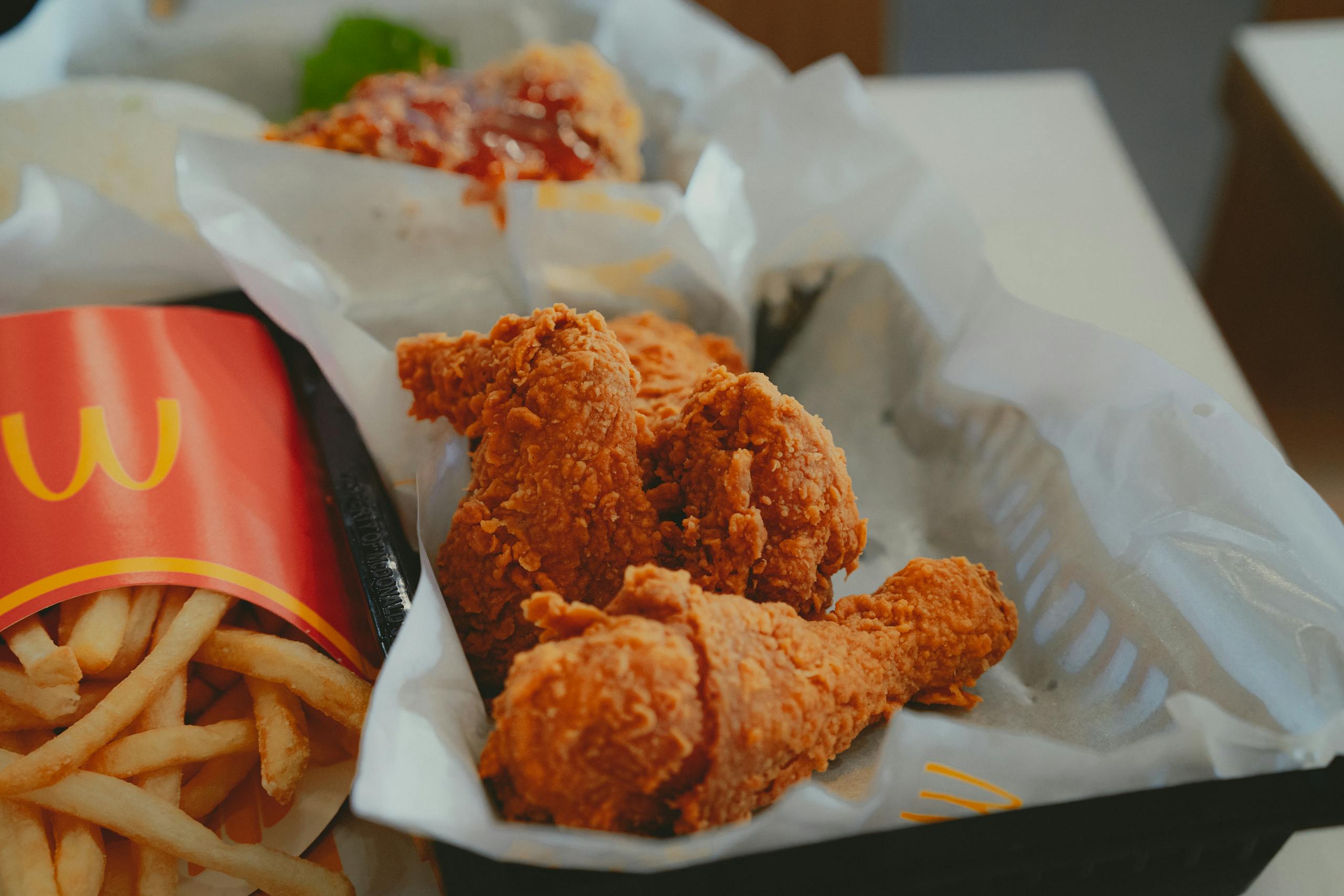
Fast food used to be an easy, affordable answer. Now, one combo meal feels like a restaurant bill without table service, napkins, or dignity. You expect cheap food and leave wondering how a burger, fries, and soda became a financial decision.
The frustration stems from a broken promise: fast food still sells itself as casual and budget-friendly, but customers now feel prices have outpaced the experience. When the meal is lukewarm, the fries are half full, and the receipt looks too grown-up, the whole thing feels like a bad bargain.
Ownership costs never stop coming.
A car often feels like a permanent bill with wheels. Gas, insurance, repairs, oil changes, tires, parking, registration, and loan payments arrive at different times, so the total sneaks up on you. You recover from one expense, and another dashboard light appears.
Numbers explain the frustration. AAA estimated that the average cost to own and operate a new vehicle in 2025 was $11,577 per year, which is about $965 per month. That makes every gas fill-up and repair bill feel bigger than the moment itself. You are not just paying to drive. You are paying to keep your life moving.
Streaming Subscriptions That Keep Multiplying

StreamStreaming was meant to save money on cable. Now, every company has its own app and paywall, quietly turning entertainment into a monthly scavenger hunt. People pay for one service for drama, another for sports, another for sitcoms, and another that they forgot to cancel.
The trap is that each subscription looks small on its own. A few dollars here and there do not feel dangerous until five or six platforms start billing in the same month. The Federal Reserve’s 2025 household well-being report noted that price increases remained a major financial concern for U.S. adults, which makes these recurring charges feel even more irritating when budgets are already tight.
Conclusion
The most annoying purchases aren’t always the biggest. They’re everyday buys that feel ordinary until the total appears. Snacks, coffee, fast food, subscriptions, airport meals, and car costs all seem small and convenient until they become expensive habits.
This is why these purchases sting. They do not feel exciting enough to be splurges, but they are not cheap enough to ignore. Americans are not just tired of spending money. They are tired of paying more for things that feel smaller, weaker, and less satisfying than they used to.