8 Items You Should Stop Storing In Kitchen Cabinets
The kitchen is not just a space for cooking, it’s the heart of the home where family and friends come together. With many people spending time in the kitchen, it’s easy for clutter to accumulate in cabinets, drawers, and countertops. However, there are certain items that, while commonly stored in kitchen cabinets, really don’t belong there.
By removing unnecessary items from your kitchen cabinets, you’ll free up space for the things you actually use and need regularly. Let’s dive into what should be cleared out for a more functional and organized kitchen.
Rarely Used Specialty Appliances and Cookware
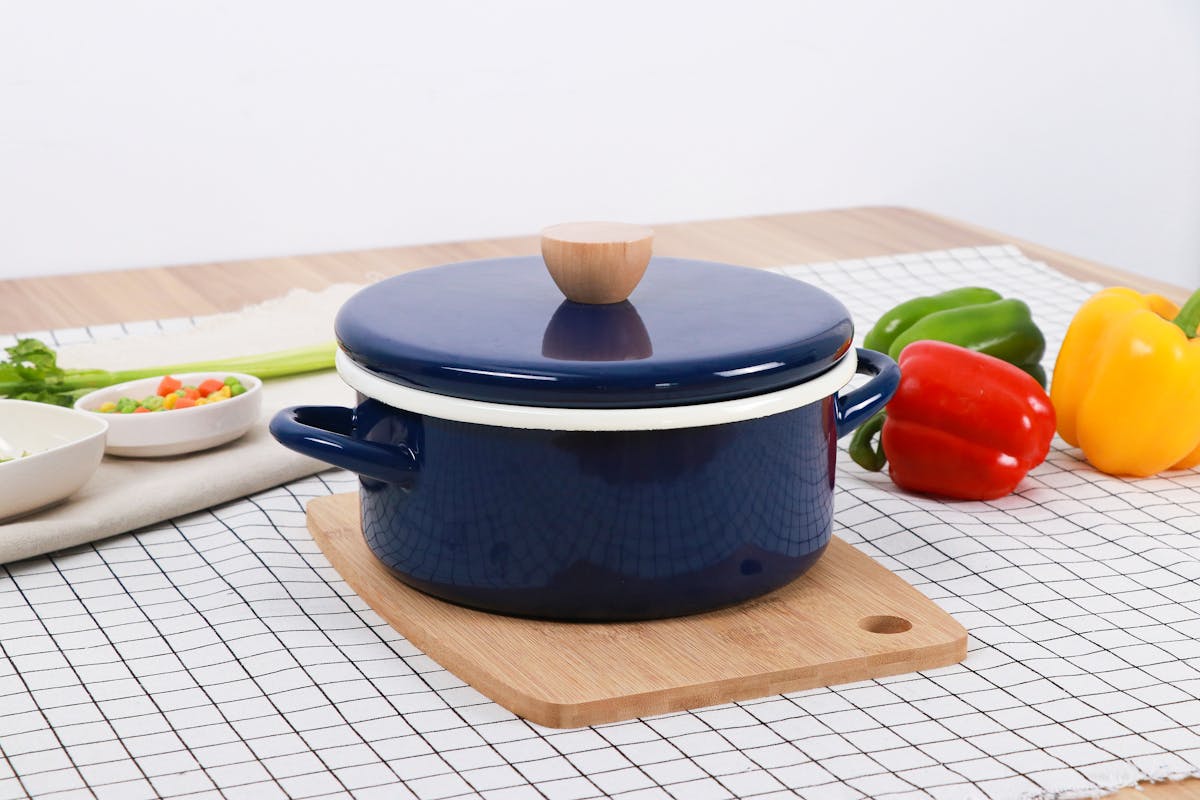
It’s tempting to keep that fondue pot, bread maker, or other specialty kitchen gadgets in the cabinets for “special occasions.” But when these items only make an appearance a few times a year, they take up valuable kitchen real estate that could be better utilized for tools you use every day. Rather than cramming them into your cabinets, consider storing them in a less-prime location, perhaps in the garage or a closet, and make room for everyday essentials like your go-to pots, pans, and utensils.
By organizing your kitchen with appliances that are regularly used, you ensure that everything is easily accessible and within arm’s reach when you need it.
Expired Food and Spices
There’s nothing worse than reaching into your kitchen cabinets only to find expired spices, condiments, or canned goods that should have been thrown away ages ago. Storing expired food can lead to a cluttered, disorganized kitchen, and even worse, it can compromise the taste and safety of your meals. Regularly check the best-before dates on food and spices and make sure you’re using the oldest items first. A streamlined kitchen cabinet means less waste and more room for fresh, useful items.
Tool Kits
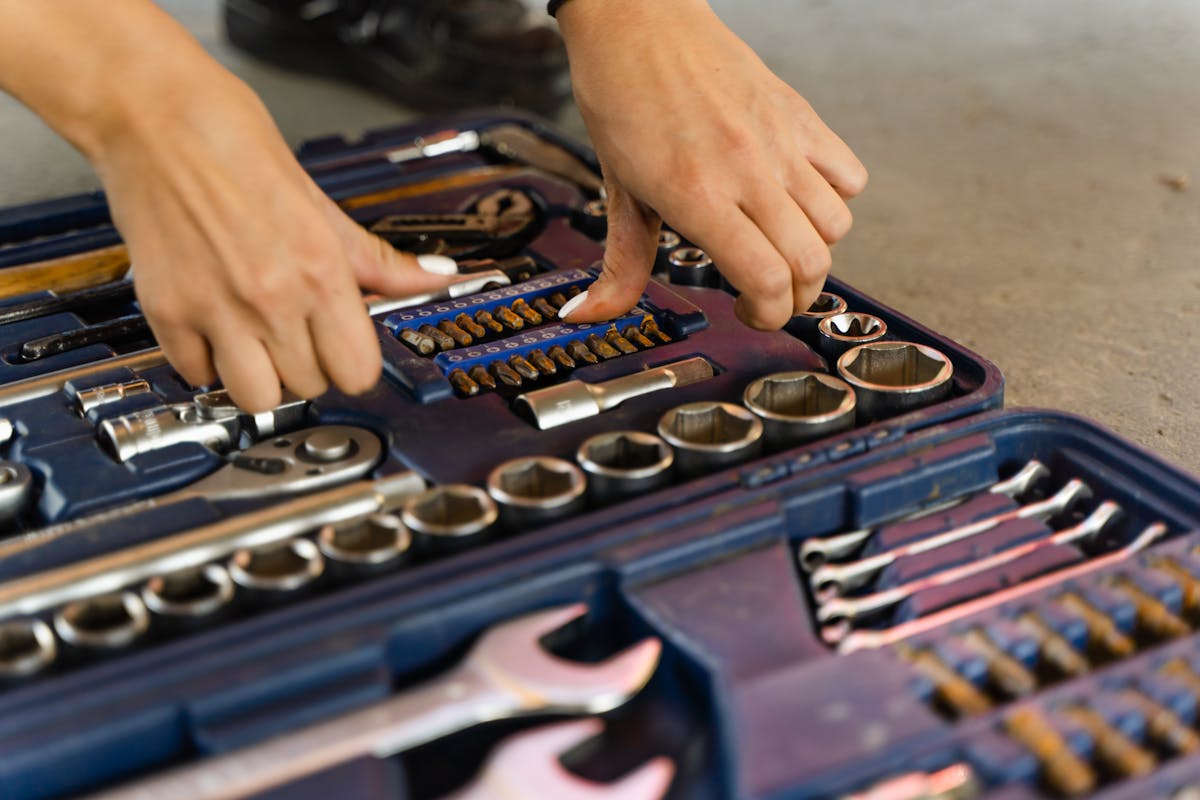
While it’s understandable to keep a screwdriver or wrench handy in your kitchen for minor repairs, storing an entire tool kit in your kitchen cabinets is a bad idea. Not only does it take up valuable space, but it also adds unnecessary clutter to the area. Plus, kitchens can be humid, which can cause tools to rust or corrode over time. Tools belong in the garage or a utility room, where they can be safely stored and accessed when needed without taking up prime kitchen storage.
Pet Food and Bird Seed
While pets are family, their food doesn’t belong in your kitchen cabinets next to your own. Storing dry dog or cat food, as well as bird seed, in your kitchen not only invites pests but can also create unpleasant odors. These items attract bugs like roaches, and even when stored in airtight containers, they often carry an odor that permeates the rest of the kitchen. For the sake of hygiene and convenience, store pet food in a dedicated pantry or a separate area away from your kitchen.
Reusable Shopping Bags
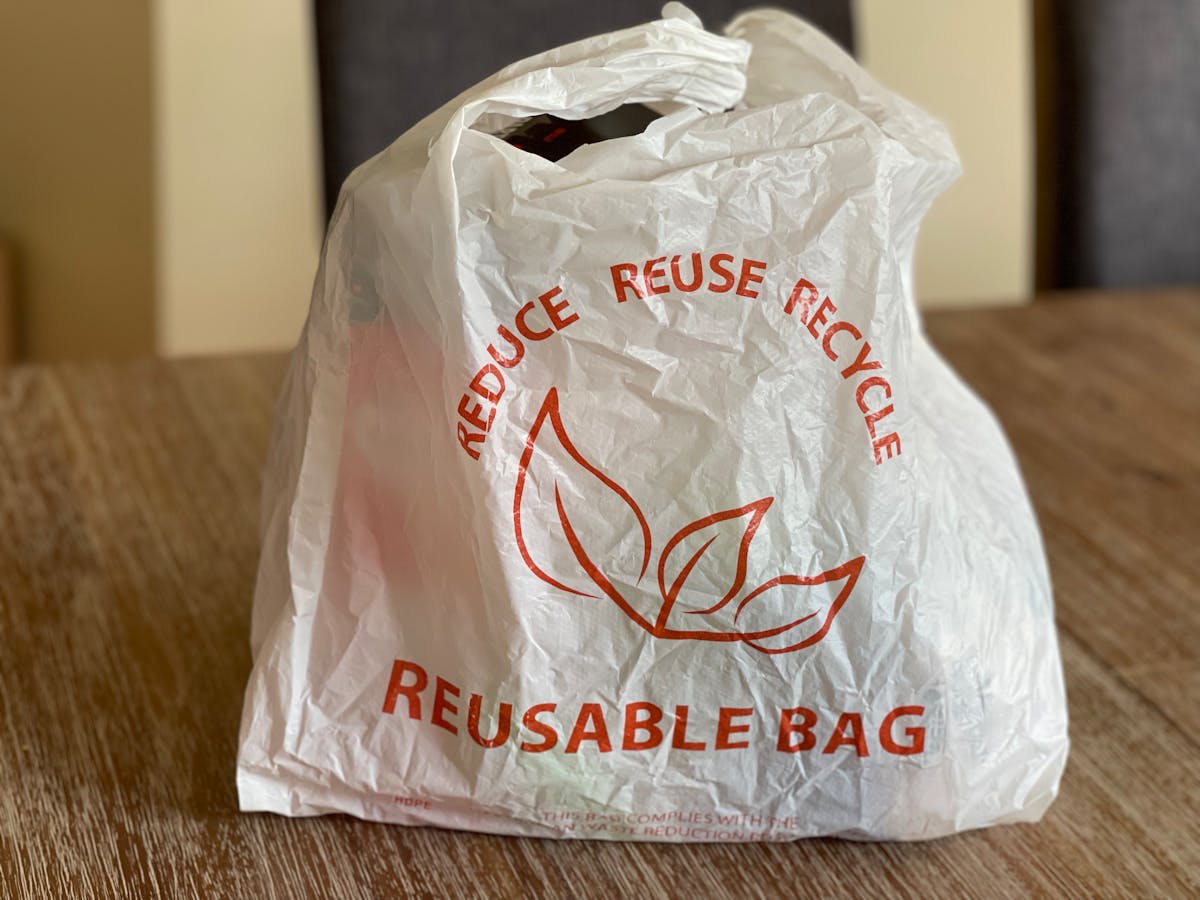
Reusable shopping bags are great for sustainability, but they don’t need to take up valuable cabinet space in your kitchen. Storing bags in your kitchen cabinets creates unnecessary clutter. Instead, store them in a closet near the door, or better yet, keep them in your car so you never forget them on your next grocery trip. This simple adjustment helps keep your kitchen organized while still staying eco-friendly.
Bug Sprays and Powders
It’s tempting to keep bug sprays and powders in the kitchen for easy access, but it’s not a safe practice. Storing toxic chemicals near food preparation areas exposes your family to unnecessary risks. These chemicals can be harmful, especially when ingested by children or pets. Store these items in a garage, shed, or designated cleaning closet, away from the kitchen and food items. It’s a safer, smarter choice for everyone in the household.
Produce That Goes Bad Quickly
Storing fruits and vegetables in your kitchen cabinets might seem like a good idea, but it’s not. Items such as mushrooms, greens, asparagus, and most fruits need to be refrigerated to maintain their freshness. Without proper air circulation, these items are more likely to spoil before you even get the chance to enjoy them. Even those fruits and vegetables that can be stored in cool, dry places need access to airflow, which is impossible to achieve in a closed cabinet.
For proper storage, keep these fresh items on the counter (if they don’t need refrigeration) or in the fridge. With the right storage methods, you’ll ensure your produce lasts longer and stays fresher.
Excess Cleaning Supplies
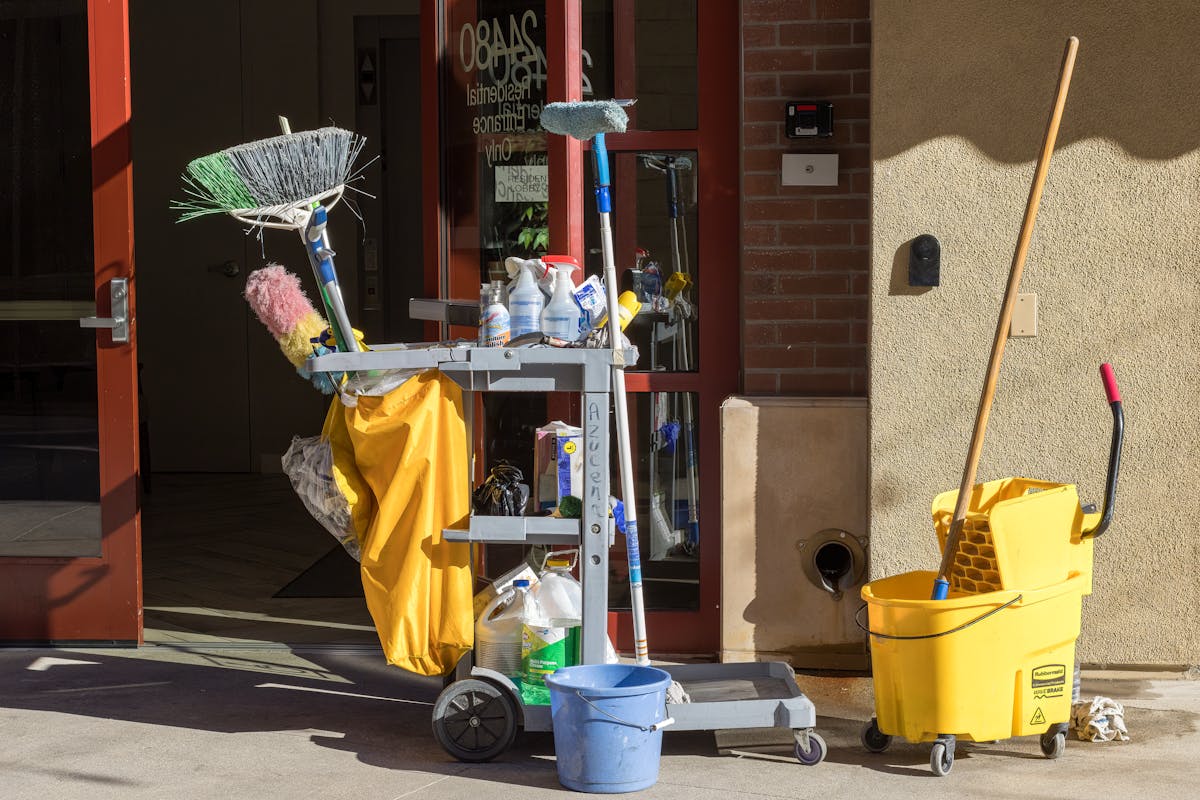
While it’s essential to have cleaning supplies on hand, stocking up too much in the kitchen can be a problem. Many cleaning products contain harsh chemicals that should not be kept near food. Items like window cleaners, disinfectants, and bleach have no place in your kitchen cabinets. Instead, store them in a dedicated cleaning closet or utility room to keep your kitchen safe, organized, and free of clutter.
Conclusion
Organizing your kitchen cabinets isn’t just about tidying up; it’s about making your kitchen a more functional, safe, and efficient space. By removing items that don’t belong, like rarely used appliances, pet food, and cleaning supplies, you free up space for the essentials. This simple act of decluttering can not only improve the flow of your kitchen but also make cooking and food storage a more pleasant and safe experience. Keep your cabinets stocked with only the items you use regularly, and your kitchen will be a more enjoyable place to cook, eat, and gather.