9 Dangerous Health Conditions Affecting People Over 60
Reaching 60 doesn’t just mark the passage of time; it’s a point where the body begins to show signs of wear and tear in ways we often don’t expect. Health problems that once seemed distant suddenly become unavoidable.
Unfortunately, many people are caught off guard when age starts to introduce health challenges. These risks can sneak up on you and, without proper attention, lead to serious complications. Here’s what you need to watch for and how you can stay ahead of these potential issues.
Cancer
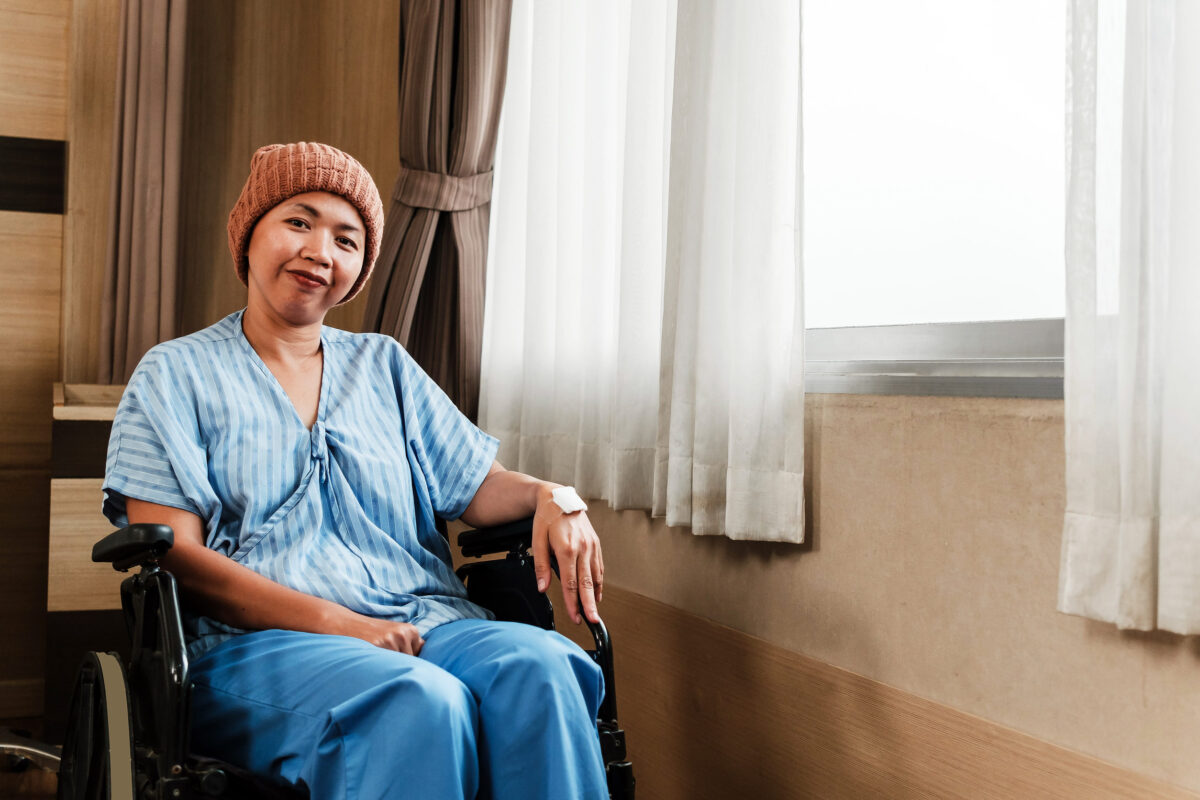
The risk of developing cancer increases dramatically after the age of 60. It is the second-leading cause of death in older adults and can often be detected earlier when you’re vigilant. However, many people overlook the early signs, thinking they’re just a part of aging. Lung, breast, colon, and prostate cancers are especially common after 60. Early detection can make all the difference, but without the right screenings, these cancers can spread undetected until they become much harder to treat.
Diabetes
Type 2 diabetes is an ongoing threat that becomes more prevalent as you get older. The body’s ability to process glucose weakens, and the risk of developing other health issues, such as heart disease and kidney failure, increases. Symptoms like excessive thirst, fatigue, and frequent urination can be dismissed as natural signs of aging, which means many people fail to address the issue until it’s too late. Managing diabetes requires more than just medication; it requires a careful balance of diet, exercise, and regular monitoring. The more you ignore it, the more serious the consequences become.
Strokes
A stroke can change everything in a matter of minutes. The frightening part? It’s not always obvious that you’re at risk until it’s too late. With age, the chances of having a stroke increase, especially if high blood pressure, high cholesterol, or a history of heart disease are present. Even if you survive, a stroke often leads to long-term complications, including paralysis, speech difficulties, and cognitive impairment. That’s why recognizing the early warning signs, like sudden weakness or confusion, and acting quickly can be the difference between a full recovery and a lifelong struggle.
Depression

Depression is often underreported and untreated in older adults. Many assume that feeling down is just part of aging, but it can also be linked to physical illness, medication side effects, or a lack of social connection. Older adults often suffer in silence, leading to worsened outcomes in other areas of health. When untreated, depression can lead to worsened physical health, reduced mobility, and even premature death. Recognizing the symptoms, persistent sadness, withdrawal, fatigue, changes in sleep patterns, and seeking help early can dramatically improve life quality.
Heart Disease
As we age, the risk of heart disease skyrockets, and often, it doesn’t show clear signs until it’s too late. What starts as mild chest discomfort, shortness of breath, or fatigue can eventually lead to a heart attack or heart failure. It’s one of the most common and deadly health conditions for people over 60. Regularly monitoring heart health, staying active, eating wisely, and keeping stress levels in check are some of the best ways to fight back. Ignoring heart health could lead to catastrophic results, often when we least expect it.
High Blood Pressure
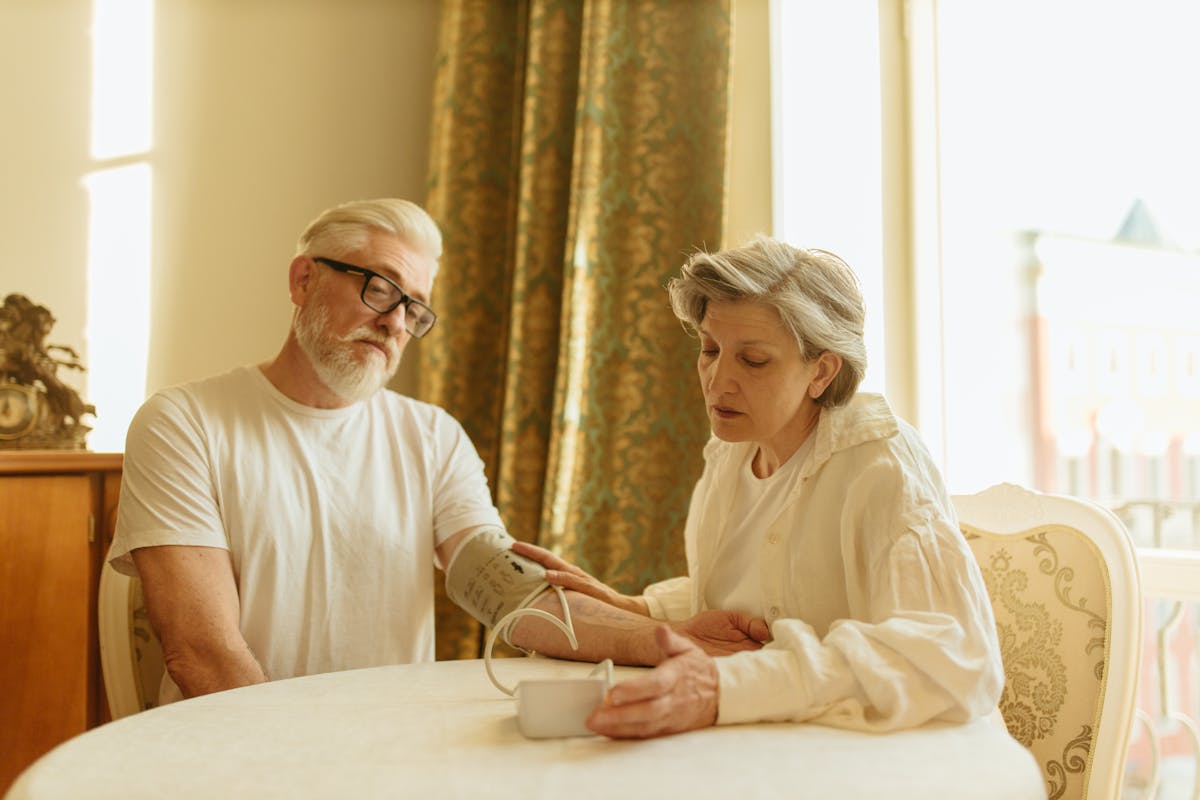
High blood pressure is like a time bomb quietly ticking in the background. The trouble is, you don’t always feel the effects until it’s caused significant damage. Increased strain on your heart, kidneys, and blood vessels means that high blood pressure accelerates the wear-and-tear process. It’s one of the leading causes of heart attacks, strokes, and kidney failure in older adults. Consistent monitoring and proactive treatment are essential. The longer high blood pressure is left unchecked, the more difficult it becomes to reverse the damage.
Arthritis
Arthritis doesn’t just cause joint pain; it can restrict mobility, impact your quality of life, and even lead to permanent disability. Nearly half of older adults live with some form of arthritis, and conditions like osteoarthritis or rheumatoid arthritis can progressively worsen without proper management. Ignoring joint pain and stiffness often leads to a significant decline in daily function, which affects everything from walking to completing everyday tasks. Early treatment, physical therapy, and weight management are crucial to preventing irreversible joint damage.
Kidney Disease

Kidney disease often flies under the radar until it reaches an advanced stage. The kidneys, which filter waste from the body, can lose their ability to function without much warning. Diabetes, high blood pressure, and even certain medications contribute to kidney decline. What’s scary is that symptoms like fatigue, swelling, or urination can easily be dismissed as typical aging. Left untreated, kidney disease can lead to irreversible damage, dialysis, or even kidney failure, making early detection and monitoring essential.
Chronic Lung Disease
Chronic obstructive pulmonary disease (COPD) is a debilitating lung condition that becomes more common as we age. It often develops after years of smoking or exposure to toxins, and its symptoms, shortness of breath, wheezing, and chronic cough, are easy to overlook at first. But as lung function deteriorates, even simple activities become taxing. If left untreated, COPD can severely limit your independence and quality of life, making breathing difficult and life more exhausting.
Conclusion
It’s not too late to take charge of your health. While aging brings new risks, it also offers the opportunity to act with more wisdom and care. Regular checkups, screenings, and proactive management of existing conditions are the best ways to prevent these health issues from spiraling into something far worse. Health after 60 doesn’t have to mean a decline. With the right focus on prevention, lifestyle changes, and medical management, you can continue to live fully and independently for years to come.