7 Foods People Pretend to Enjoy But Actually Don’t
Some foods sound absolutely wonderful until they reach your mouth. A restaurant menu promises bold flavors, delicate textures, or a luxurious dining experience. Then comes the first bite, followed by an awkward smile and a quiet realization that this celebrated ingredient might not be for you.
Of course, plenty of people genuinely love these foods. But strong aromas, unusual textures, and intense flavors can make certain ingredients harder to appreciate. From expensive delicacies to everyday garnishes, these seven foods can turn an ordinary meal into an unexpected test of personal taste.
Raw Oysters
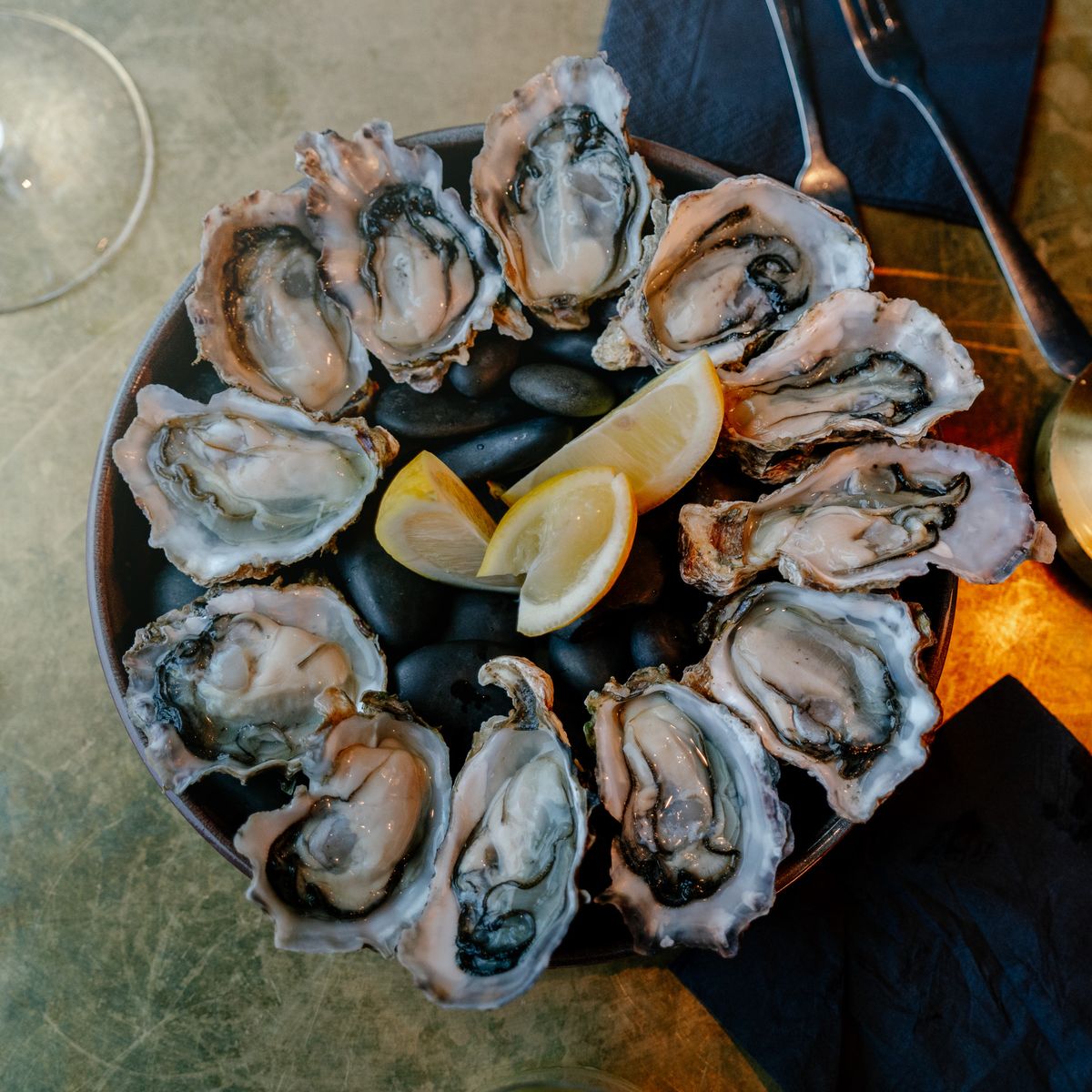
Raw oysters often arrive looking like a luxurious treat, carefully arranged on their shells and ready to impress. Their flavor can certainly be appealing. The Oyster Tasting Guide describes oysters as having briny qualities, sometimes accompanied by sweet, mineral, or buttery notes.
But flavor isn’t always the problem. It’s the texture. Raw oysters are soft, wet, and slippery, creating a mouthfeel that some diners find difficult to embrace.
Imagine expecting a refreshing taste of the ocean, only to discover that your mouth is much more concerned about what’s happening with the texture.
Someone might genuinely enjoy the salty flavor but still hesitate before taking another oyster. Sometimes the difference between enjoying seafood and enjoying raw oysters comes down to that one slippery detail.
Blue Cheese
Blue cheese doesn’t believe in making a quiet entrance. One bite can completely change the direction of your cheese-and-cracker experience. Unlike mild cheeses that blend comfortably into a snack, blue cheese announces itself with sharp, salty, and sometimes intensely piquant flavors.
According to Encyclopaedia Britannica, varieties such as Stilton, Roquefort, and Gorgonzola develop their characteristic blue-green veins from mold used during cheesemaking. Some are creamy, while others have a crumbly texture.
For someone accustomed to milder cheeses, that combination can feel overwhelming. The funny part is how innocent it looks sitting on a cheese board. You’re expecting a casual appetizer, but suddenly your cracker has turned into a serious culinary commitment.
Caviar
Caviar carries the kind of reputation that makes a tiny spoonful feel like an important occasion. With all that luxury attached to its name, you might expect the flavor to immediately explain the excitement.
Instead, your first impression could be a salty taste followed by tiny eggs popping in your mouth. As Food Network explains, caviar comes from sturgeon roe and has a briny, salty flavor. Depending on the variety, it can also offer buttery or nutty notes.
The popping texture is another defining part of the experience. For some diners, that combination is delightful. For others, it takes a little getting used to. There’s something amusing about an expensive delicacy requiring a motivational speech before the second bite.
Olives
An olive might be one of the smallest things on your plate, but it can easily become the most memorable. Its concentrated savory flavor can dominate a bite, especially when someone was expecting a more subtle accompaniment.
Interestingly, olives are fruits, and freshly picked ones are extremely bitter. They undergo curing and other preparation before becoming the familiar olives served at restaurants and grocery stores.
As BBC Good Food explains, olives vary considerably depending on their variety and preparation. Marinades, stuffings, and regional differences can also change the finished flavor.
That’s why disliking one olive doesn’t necessarily mean you’ll dislike another. Still, there’s a familiar dining moment when someone carefully moves every olive to the edge of the plate, hoping nobody suggests eating them.
Anchovies
Anchovies have a fascinating ability to be either the star of a dish or an ingredient you barely notice. When they’re sitting visibly on top of your food, their pronounced flavor and salty character can be difficult to ignore.
A single preserved fillet can make its presence known immediately. But preparation changes the experience. BBC Good Food’s anchovy recipes demonstrate how these small fish work in different dishes. In preparations such as pasta with anchovies, chopped fillets can melt into the sauce as they cook.
That means someone who dislikes biting into an anchovy might still enjoy the flavor it adds to a finished sauce. There’s a difference between appreciating an ingredient’s contribution and wanting to meet it face-to-face on your plate.
Truffles
Truffles have a way of introducing themselves before you’ve even picked up your fork. Their aroma can be so noticeable that smelling the dish becomes an experience of its own. According to BBC Good Food, fresh truffles can have musky, garlicky, mushroom-like aromas, sometimes compared to damp woodland.
White truffles can have a more penetrating fragrance than black varieties. For enthusiasts, those complex aromas are part of the attraction. For someone who prefers gentle flavors, the same fragrance might feel overpowering.
Imagine ordering a beautifully prepared dish, only to find that its aroma has taken over the entire conversation. And fresh truffles shouldn’t be confused with truffle oils or flavored products, which offer different tasting experiences. Sometimes the aroma is the highlight. Sometimes it’s the obstacle.
Cilantro
Few everyday herbs can create such different reactions from one dinner table to another. Cilantro appears in Asian and Latin American cooking, where its flavor can provide a recognizable finishing touch.
For people who enjoy it, those green leaves can complete a dish. For others, the experience is dramatically different. Smithsonian Magazine’s discussion of cilantro describes how some people associate its flavor with soap or even hairspray.
That’s quite a difference from the refreshing herbal quality its fans appreciate. It also explains why one diner might enthusiastically request extra cilantro while another carefully examines every green leaf.
Unlike a particularly strong cheese or salty fish, cilantro can provoke conflicting flavor descriptions from people eating the same herb. One person’s perfect garnish really can be another person’s unwanted finishing touch.