7 Worst Foods for Breastfeeding Moms
Breastfeeding is an essential part of early parenting, offering newborns the best start in life. However, what you eat while breastfeeding can significantly affect the quality of your milk and, consequently, your baby’s health.
While a balanced, nutritious diet is key, some foods should be avoided, as they could disrupt your health or your baby’s digestion and development. Below, we discuss the seven worst foods breastfeeding moms should consider steering clear of.
Caffeine-Rich Drinks

Many new moms rely on caffeine to stay alert during the sleepless nights that come with having a baby. While it’s tempting to grab a coffee or tea, excessive caffeine consumption can pass through breast milk to your baby. Caffeine can make babies more restless, irritable, and even interfere with their sleep patterns. Babies under six months are especially sensitive to caffeine, as their immature bodies may not metabolize it quickly enough.
Instead of coffee or caffeinated sodas, try herbal teas like chamomile or ginger, which can soothe both you and your baby without the side effects of caffeine. If you do choose to consume caffeine, limit your intake to no more than 300 milligrams per day (about one cup of coffee).
Spicy Foods
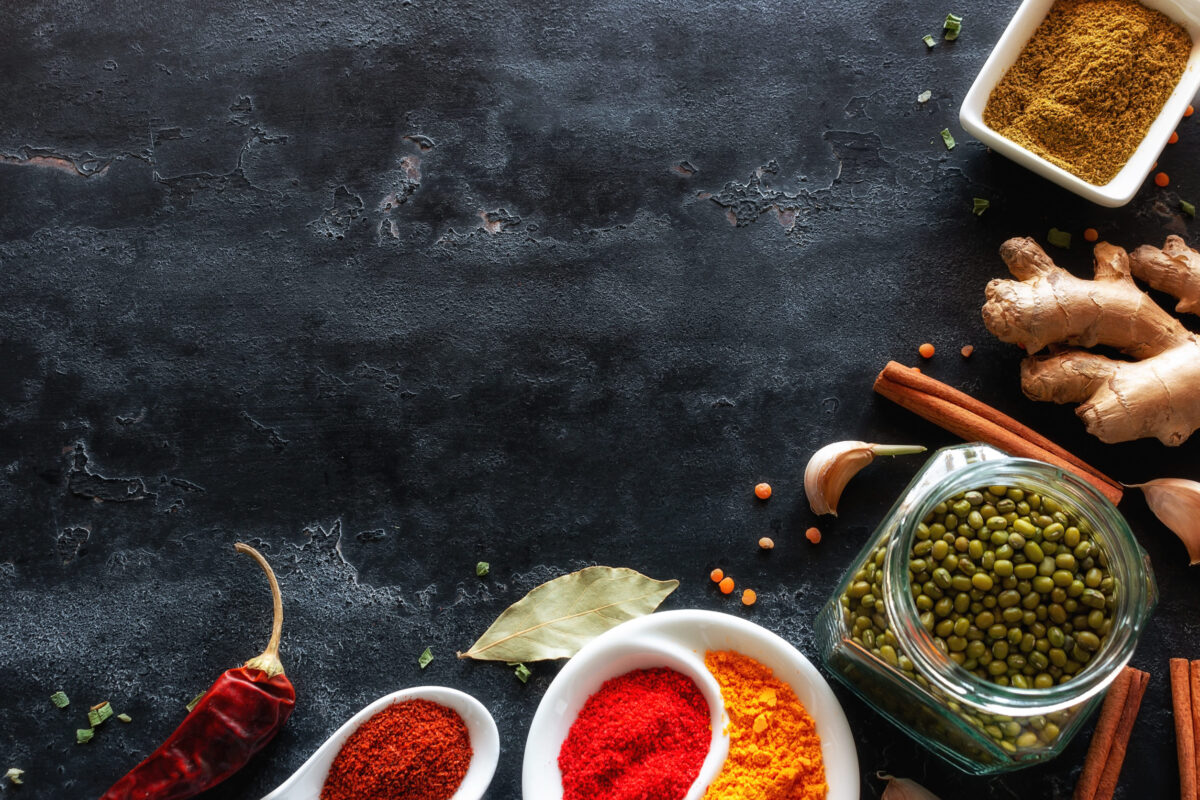
If you love a good curry or spicy wings, you might want to hold off while breastfeeding. Spicy foods can sometimes cause discomfort for your baby, leading to fussiness, gas, and stomach cramps. While the capsaicin in spicy foods doesn’t directly affect the milk, it can pass through your milk and irritate your baby’s digestive system.
Additionally, spicy foods can upset your stomach, especially after giving birth. If you’re craving spice, try adding a small amount and monitor your baby’s response. If there are signs of discomfort, it might be best to cut back.
Alcohol
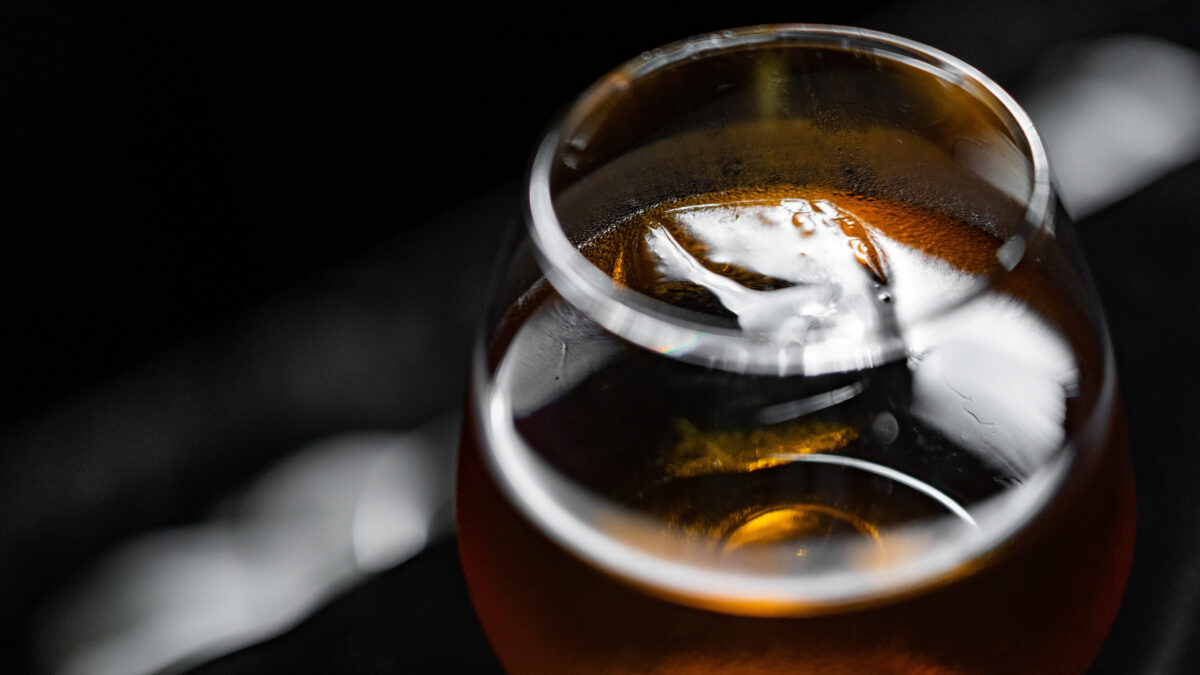
While the occasional glass of wine might seem tempting, alcohol is one of the most significant substances that breastfeeding mothers should avoid. Alcohol can pass through your breast milk to your baby and may interfere with their brain development, sleep patterns, and overall well-being. It can also reduce milk production and impact the let-down reflex, making it harder for your baby to nurse effectively.
If you do choose to drink, it’s recommended to wait at least two to three hours after consuming alcohol before breastfeeding. This allows your body time to process the alcohol and reduce its concentration in your breast milk. Always be mindful of your intake and remember that moderation is key.
High-Mercury Fish
Fish can be a great source of protein and omega-3 fatty acids, but some types contain high levels of mercury, which can be harmful to both you and your baby. High-mercury fish like swordfish, king mackerel, and tilefish can affect the development of your baby’s nervous system, leading to potential developmental delays.
Instead, opt for low-mercury fish like salmon, trout, and sardines, which are not only safe but also packed with beneficial nutrients for both you and your baby. The general guideline is to limit fish consumption to two to three servings per week, avoiding high-mercury varieties.
Processed Foods and Junk Food
When you’re sleep-deprived and busy, it’s tempting to grab a processed snack or a quick fast food meal. However, these foods are often high in unhealthy fats, sodium, and additives that can not only affect your health but also your milk quality. Eating too many processed foods can lead to an imbalanced diet that lacks essential nutrients for both you and your baby.
Moreover, the preservatives and artificial ingredients found in processed foods can pass into your milk and potentially affect your baby. Instead of relying on fast food or pre-packaged snacks, focus on fresh, whole foods that provide the vitamins and nutrients necessary for breastfeeding.
Peanuts and Peanut Products
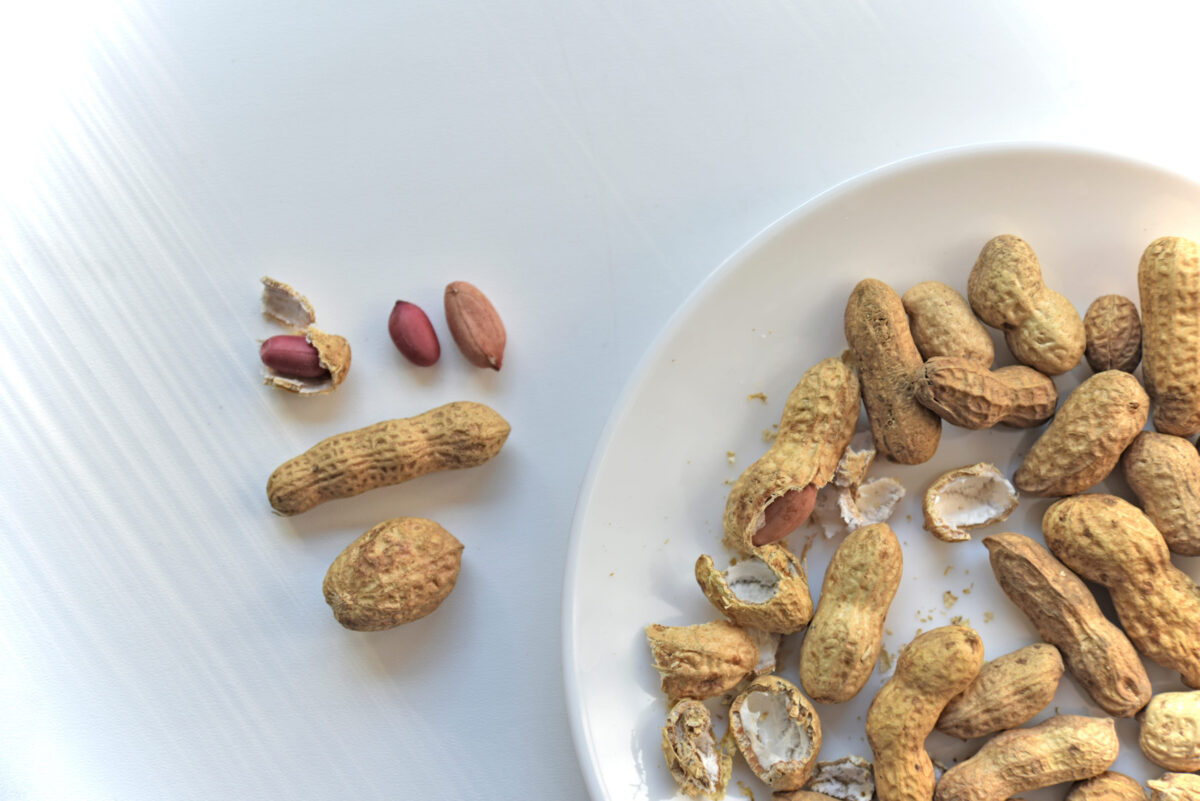
While peanuts are a healthy snack for many people, they can cause allergic reactions in some infants. If you have a family history of peanut allergies, it’s best to avoid peanuts and peanut products while breastfeeding, as this may lower the risk of the baby developing an allergy. Even if there’s no known allergy history, some babies can show sensitivities to peanut protein in breast milk.
If your baby shows signs of an allergic reaction, such as rashes, vomiting, or difficulty breathing, after you consume peanuts or peanut butter, discontinue eating them and consult your pediatrician. In general, it’s best to err on the side of caution when it comes to potential allergens.
Gas-Producing Vegetables
While vegetables are a crucial part of a healthy diet, some, like broccoli, cauliflower, onions, and cabbage, can cause gas and bloating. These gas-producing vegetables can make both you and your baby uncomfortable. Gas in breastfed babies is common, but consuming these vegetables can exacerbate the problem, leading to increased colic and discomfort.
If you notice that your baby is gassier than usual after you eat these vegetables, consider cutting them from your diet temporarily. You can still enjoy other fiber-rich vegetables like carrots, sweet potatoes, and spinach without causing gas-related issues.
Conclusion
While breastfeeding is a beautiful and natural experience, it also comes with its own dietary challenges. The foods you eat have a direct impact on both your health and your baby’s well-being. By avoiding caffeine, alcohol, spicy foods, high-mercury fish, processed junk food, peanuts, and gas-producing vegetables, you can ensure that your baby gets the best nourishment possible through your milk.
Eating a balanced, nutrient-dense diet is key to maintaining your energy and supporting your baby’s growth. Always remember to listen to your body and your baby’s reactions to different foods, and make adjustments as needed. If you’re ever uncertain about your diet or your baby’s reaction to your milk, consult with a healthcare provider or a lactation consultant for personalized advice.