12 Weird Sandwiches From History That Make Modern Lunch Look Tame
Sandwiches may seem simple, but history tells a different story. Early 20th-century cookbooks were playgrounds for culinary experimentation, mixing canned fruit, sardines, gelatin, and even donuts between bread slices. These recipes reveal a time when portability, thrift, and novelty outweighed flavor conformity, creating combinations that make today’s odd menu items look tame. From sweet-and-savory surprises to towering stacks that defied gravity, historical sandwiches pushed boundaries, amused guests, and sometimes even challenged taste buds.
Here are 12 of the strangest sandwiches from history that prove the past was far more adventurous than your typical deli counter.
Pineapple and Tuna Sandwich
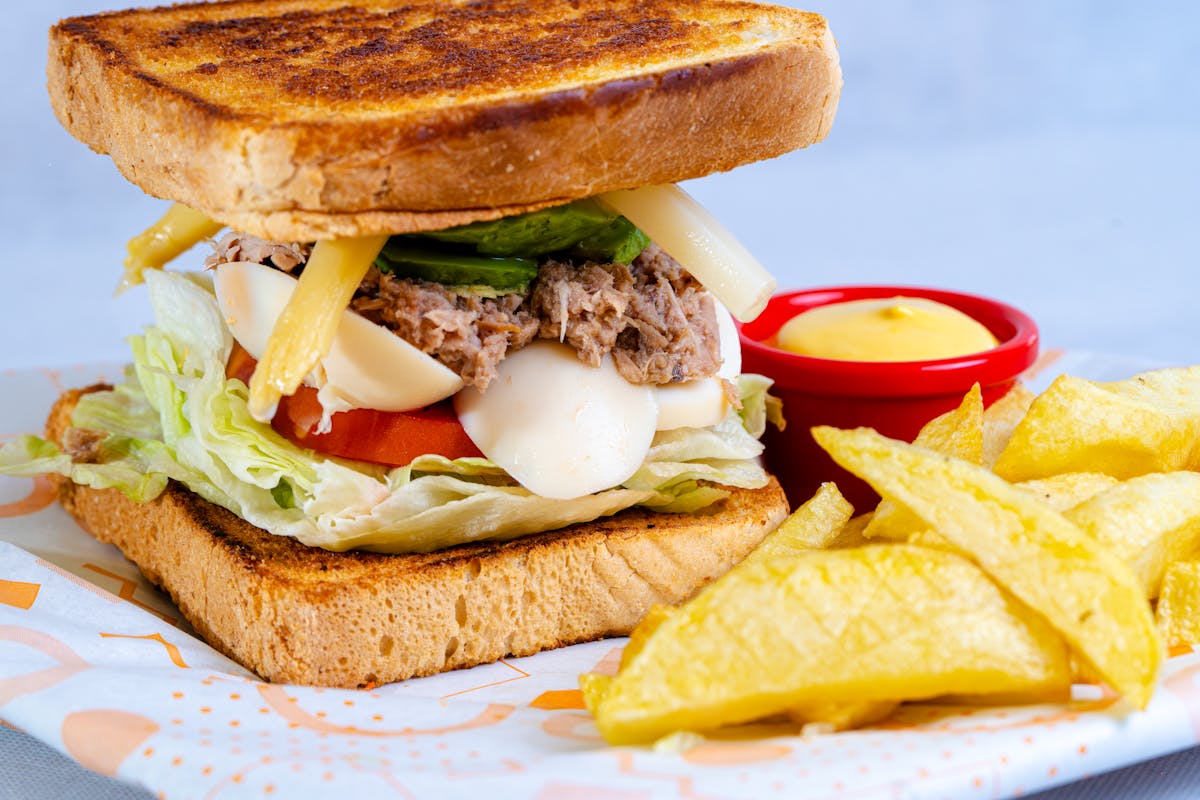
This 1928 creation combined canned tuna, chopped pickles, crushed pineapple, French dressing, salt, and pepper on buttered bread. Sweet pineapple added moisture and a fruity zing, balancing the salty tuna, while pickles provided a crisp bite. This sweet-and-savory mix may sound strange now, but it reflected an era when combining fruit with protein was considered innovative.
Cooks prized convenience, and canned ingredients were a modern marvel. Tuna salad sandwiches were practical, pineapple was visually appealing, and the French dressing brought everything together. It was a sandwich that served both function and flair, offering lunch eaters a taste of novelty alongside practicality.
Bacon and Peanut Butter Sandwich
Far from your classic PB&J, this sandwich layered crisp bacon with peanut butter and even added catsup for a sweet-and-salty punch. Popularized in the mid-20th century, it embraced the era’s bold, unconventional flavor pairings. Each bite combined smokiness, creamy peanut butter, and tangy ketchup into a surprisingly cohesive, if shocking, mix.
Peanut butter had not yet been pigeonholed into dessert or school lunches. Combined with bacon, it created a hearty protein-heavy sandwich for adventurous palates. The catsup acted as a bridge between flavors, proving that experimentation in historical sandwiches was as much about audacity as taste.
Potato Chip and Olive Sandwich
This 1936 sandwich crushed thin potato chips, paired them with chopped olives and mayonnaise, and sandwiched them between buttered bread. The result offered an unexpected crunch and briny punch, reminiscent of a savory snack in sandwich form. Perfect for Depression-era cooks seeking inexpensive yet satisfying meals, it transformed humble pantry staples into something playful.
Its genius lies in simplicity. Chips added texture, olives provided flavor depth, and mayonnaise bound the ingredients. It may look odd now, but at the time, using affordable, shelf-stable ingredients creatively was considered smart and stylish.
Cheese and Peanut Butter Sandwich
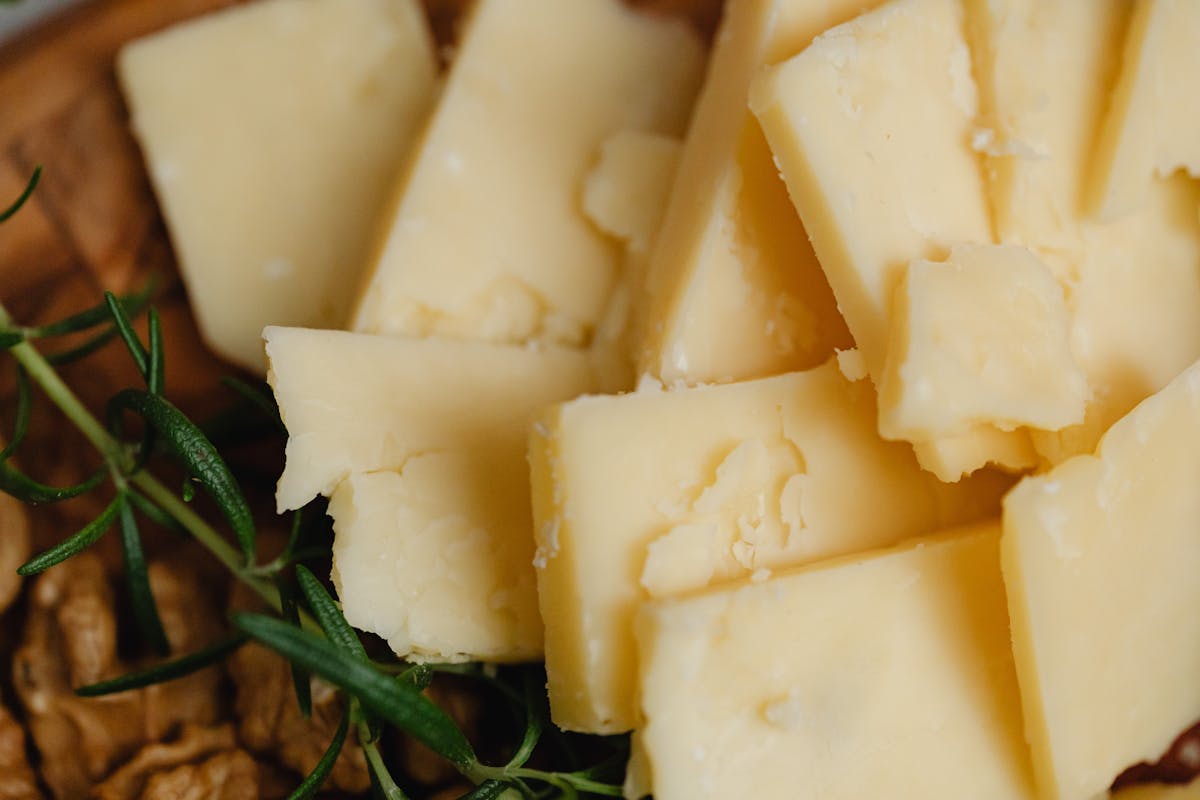
An early 20th-century experiment combined cheese with peanut butter, cream cheese, pimentos, and paprika, pressed between graham or white bread. The checkerboard presentation made it visually striking for tea parties and luncheons, highlighting the importance of aesthetics in sandwich culture.
Though modern eaters may balk at the combination, the blend of creamy, salty, and tangy layers made sense in a context where sandwiches were both nourishment and display. This sandwich exemplifies how early cooks saw bread as a canvas for flavor and color experimentation.
Skyscraper Sandwich
Inspired by the comic strip Blondie, this towering sandwich piled meats, eggs, cheese, pickles, pineapple, olives, and sauces into an edible monument. It was less about flavor harmony and more about spectacle, serving as a humorous, over-the-top take on the lunch sandwich.
Beyond its showmanship, the skyscraper sandwich reflected postwar abundance and the desire to impress. Each layer brought bold flavors, textures, and colors, making it a culinary conversation piece as much as a meal.
Cheese and Cornflake Sandwich
This 1936 recipe spread cream cheese between slices of white bread, then sprinkled crushed cornflakes inside. The crunchy cereal contrasted with the soft cheese, creating a textural surprise.
Cornflakes, then a novelty pantry staple, showcased how early cooks experimented with breakfast items outside their usual bowls. The sandwich offered crunch, creaminess, and subtle sweetness, a playful yet surprisingly edible combination.
Banana, Lettuce, and Mayonnaise Sandwich
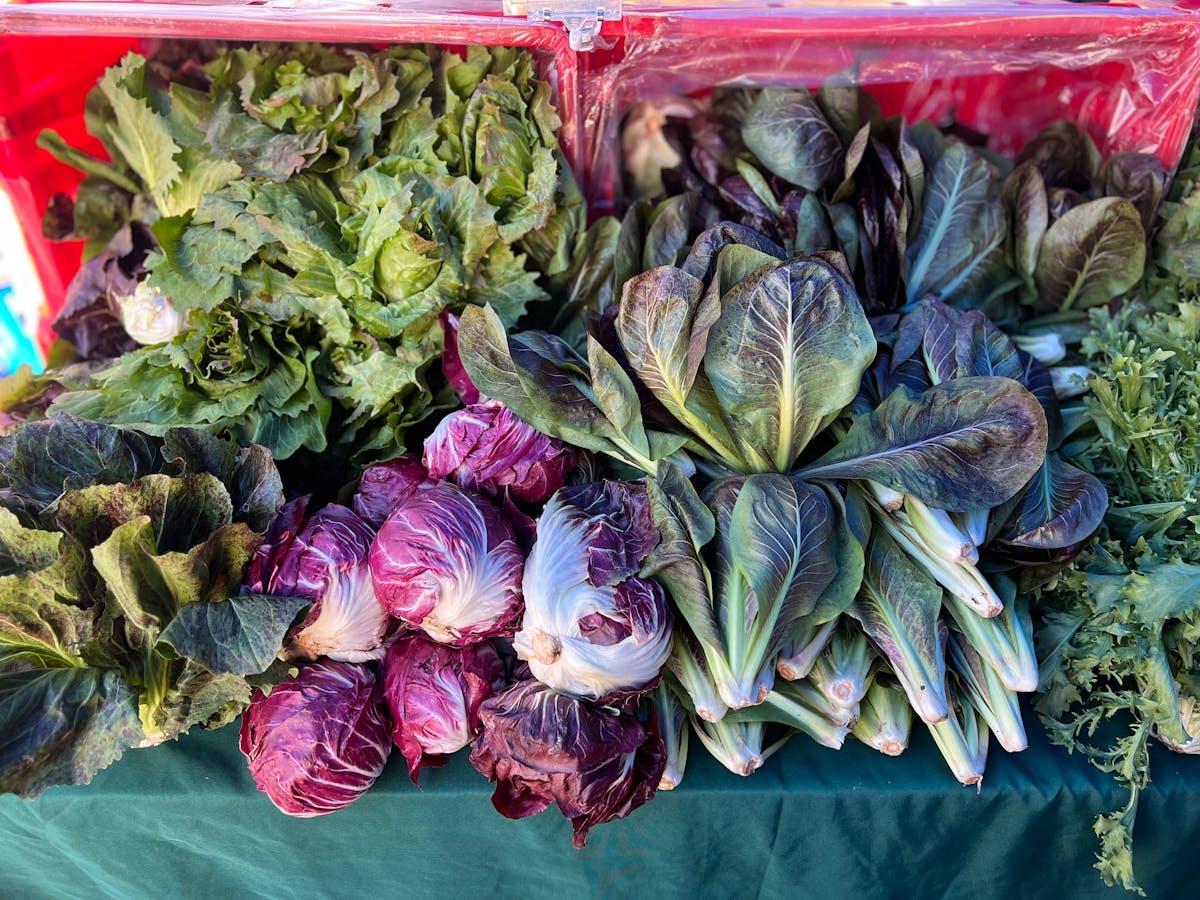
A 1928 recipe called for stacking sliced bananas with shredded lettuce mixed with mayonnaise on buttered bread. The sweet bananas balanced the crisp, slightly bitter lettuce, while the mayonnaise created a creamy binder.
This sandwich embodies the era’s love for sweet-and-savory combinations. Fruit in sandwiches was not unusual; it was a creative way to stretch ingredients and delight lunch guests with unexpected flavors.
Goblin Sandwich
From a 1946 Halloween pamphlet, this sandwich used donuts as bread and filled them with Brazil nuts, deviled ham, avocado, and Worcestershire sauce. It was as much a promotional stunt as a recipe, designed to impress and amuse partygoers.
The goblin sandwich highlights mid-century marketing creativity. Sweet donuts juxtaposed with savory fillings created a theatrical, memorable dish, even if it was a challenge to eat gracefully.
Tricolored Sandwich
This early 20th-century sandwich used deviled ham, potted egg, green butter, and aspic jelly, stacked and chilled into neat layers. It was as much art as lunch, designed for presentation at tea parties or social gatherings.
Gelatin-coated sandwiches like this reflected the era’s fascination with molded foods. They were visually appealing, structured, and showcased the host’s skill, proving that sandwiches could be a centerpiece, not just a meal.
Liver and Raisin Sandwich
Combining liver with raisins, mustard, onion, and catsup, this sandwich balanced intense, savory flavors with unexpected sweetness. It was practical and nutritious, turning inexpensive organ meat into a more palatable, creative lunch option.
Thrift, protein content, and bold flavor experimentation drove recipes like this. It demonstrates how historical cooks were willing to combine disparate pantry staples in pursuit of novelty and sustenance.
Peanut and Sardine Sandwich
A 1947 recipe paired chopped peanuts, sardines, mayonnaise, and rye bread. Bold, protein-packed, and rich, this sandwich demonstrated a fearless approach to texture and flavor.
Sardines brought saltiness, peanuts added crunch, and mayonnaise created cohesion. It’s a reminder that historical sandwiches weren’t always safe bets for taste but were designed to maximize flavor, nutrition, and pantry efficiency.
Raw Chopped Oyster Sandwich
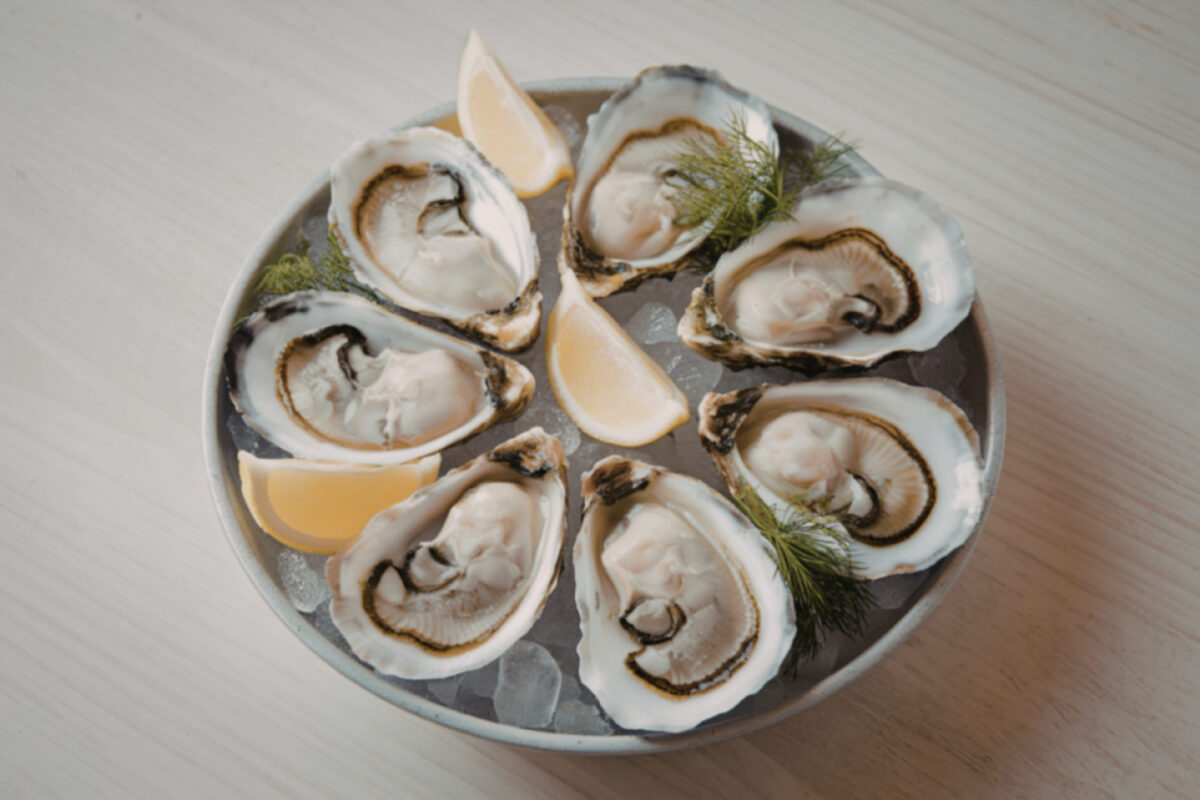
This sandwich blended finely chopped raw oysters with lemon juice, Tabasco, oil, salt, and pepper on thin white bread with lettuce. Seafood was often treated as a sophisticated filling for elegant entertaining rather than everyday consumption.
While raw oysters carry modern food-safety risks, in the early 1900s, they represented refinement and freshness. This sandwich shows that innovation often came with daring ingredients that modern cooks might approach with caution.
Conclusion
These 12 historical sandwiches reveal a time when culinary creativity trumped restraint. Sweet, salty, crunchy, and jiggly ingredients found their way between slices of bread, shaping an era of experimentation that makes modern oddities look tame. Some of these sandwiches are challenging to imagine today, yet they highlight innovation, thrift, and showmanship in early American kitchens.