Chicago’s Rainbow Cookies Have a Sweet Backstory and a Delicious Identity Crisis
They look like tiny slices of celebration: red, white, and green layers, a little jam, and a chocolate coating that makes them hard to ignore. Italian rainbow cookies bring plenty of personality to a bakery box, but their name doesn’t tell the whole story. They aren’t quite cookies; their colors have specific meanings, and their history reaches beyond Chicago. The local connection lies in the Italian-American bakery tradition that places these colorful treats alongside other familiar sweets.
Before the first bite, there’s an important distinction: rainbow cookies aren’t a documented Chicago invention. Epicurious says their precise origins remain uncertain, although they are typically credited to Italian-American immigrants in the New York area around 1900. Chicago’s story is about a broader baking heritage, not a claim to have created the confection. That heritage includes century-old Little Italy businesses and suburban bakeries that still list tricolore cookies among their Italian specialties. The actual history is interesting enough without adding a hometown origin myth.
The “Cookie” Is Really a Tiny Layer Cake
Despite the name, this isn’t a crunchy cookie with a colorful makeover.The New York Times Cooking description calls rainbow cookies “thin, dense layers of brightly hued almond cake stacked with apricot jam, and coated with glossy chocolate.” That combination explains their distinctive appearance and texture: three cake layers, fruit preserves between them, and chocolate on the outside. Almond flavor is central to the recipe, not a background note hiding behind the food coloring.
You may also see them called Venetians, Neapolitans, tricolore, or seven-layer cookies. That last name can be confusing when only three bright stripes are visible, but it includes three cake layers, two layers of jam, and two chocolate coatings. “Tricolore,” meanwhile, points to the traditional red, white, and green arrangement associated with the Italian flag. The rainbow is more a nickname than a literal description, there’s no requirement to squeeze every color into one little rectangle.
Their exact beginning is less neatly stacked. Epicurious opens its discussion with a useful admission: “No one knows exactly where Italian rainbow cookies came from.” It identifies the familiar Italian-American origin account while also noting a theory involving the colorful Sicilian confection gelato di Campagna. Those are historical possibilities, not interchangeable facts. What is well established is the cookie’s place in Italian-American baking and the flag-inspired presentation that gives the traditional version its immediately recognizable look.
Chicago’s Connection Runs Through Its Italian Bakeries
Chicago has a substantial Italian pastry history, even if it didn’t invent the rainbow cookie. Ferrara Bakery traces its beginning to 1908 and to Salvatore Ferrara, who emigrated from Nola, Italy, in 1900 at age 16. According to the bakery’s history, he brought pastry-making and confectionery skills to Chicago, where he and his wife, Serafina, built their business. The bakery’s original location was on South Halsted Street; it says its current West Taylor Street location dates to the 1950s.
Serafina’s role deserves more than a passing mention. The bakery’s account says Salvatore put her in charge while he focused on developing the candy business that became Ferrara Pan Candy Company. Today, the bakery identifies itself as a third-generation operation and describes its cannoli cake as a multigenerational tradition. That doesn’t establish when rainbow cookies arrived in Chicago, but it does document the family-run pastry culture surrounding the city’s Italian sweets.
Nearby in Chicago’s Little Italy, Scafuri Bakery dates its family tradition to 1904. Its website explains, “Our delicious cookies and pastries are made from family recipes passed down over the years.” The bakery’s published offerings include assorted Italian cookies, cuccidati, and almond biscotti. These details matter because they show how the local tradition is maintained: through named businesses, family recipes, and recognizable products, not simply through a vague claim that Chicago has always loved colorful cookies.
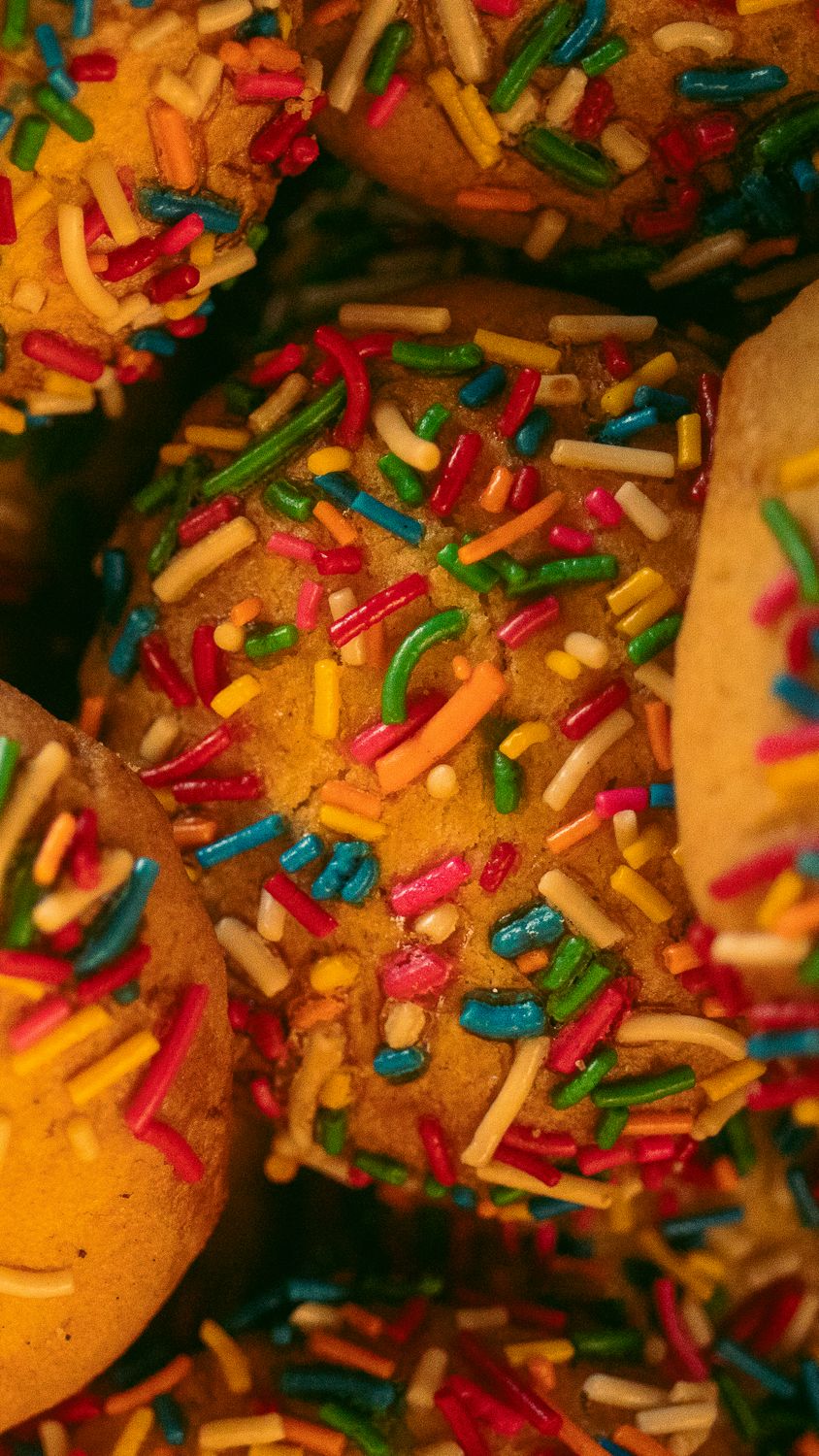
For a directly verified tricolore listing, look beyond the city limits to Palermo Bakery in Norridge. Its official cookie menu includes “Tricolore” alongside pignoli, cuccidate, sesame-seed cookies, and numerous sandwich cookies. It also lists “Rainbow Sprinkle” separately, a helpful reminder that the words “rainbow cookie” can describe different things. Don’t treat the layered almond-cake confection and a sprinkle-covered cookie as the same product just because both add color to the display.
Related: 10 Things You Should Never Bring to a Potluck
Those Bright Little Layers Take Real Work
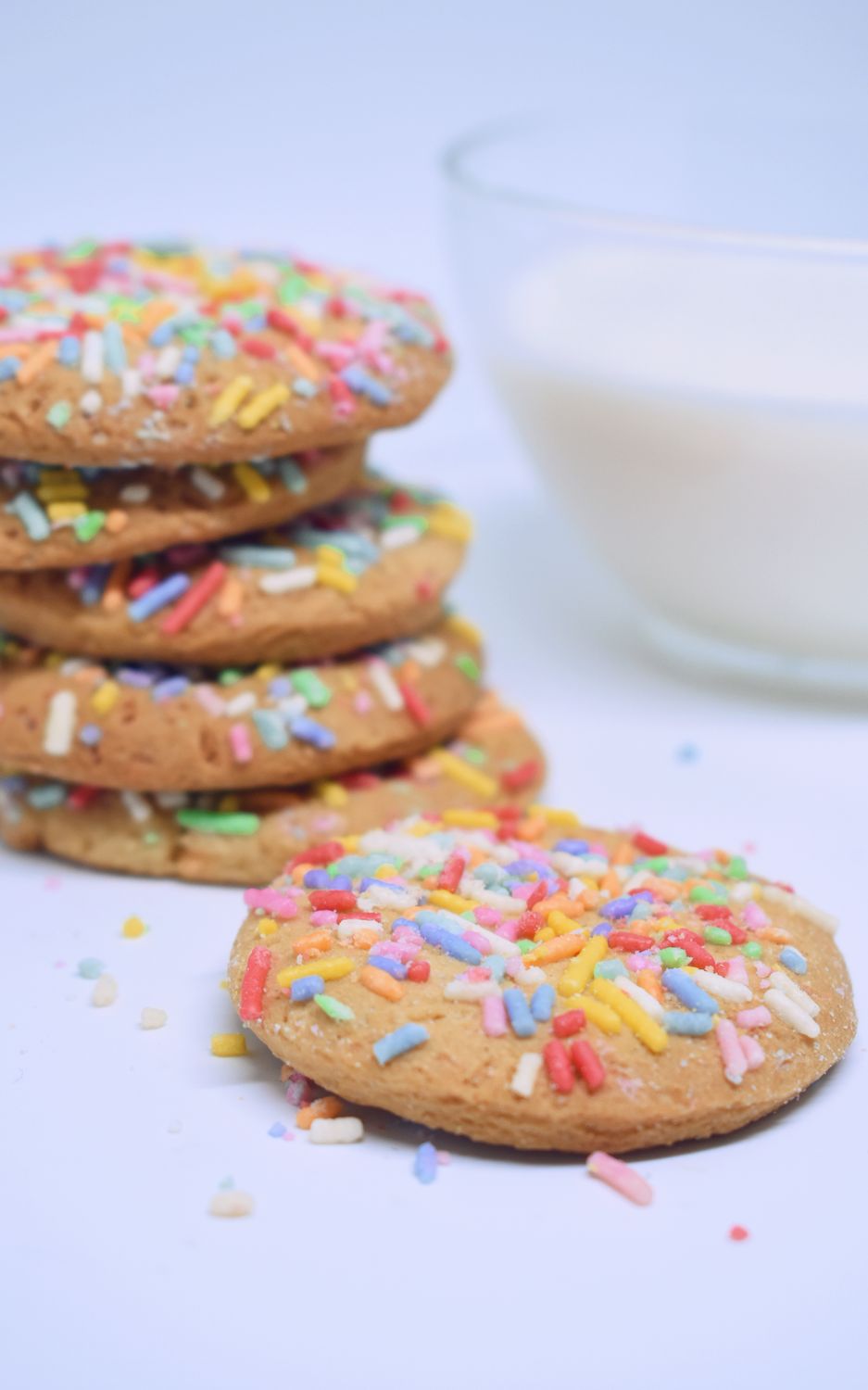
The tidy appearance conceals a surprisingly involved process. The New York Times Cooking recipe splits the batter into three portions, colors two, and bakes each layer separately. After cooling, the cakes are stacked with strained apricot preserves, covered, weighted, and refrigerated overnight. Chocolate goes on both sides before the finished slab is cut into small squares. This is closer to a miniature layer-cake assembly project than a scoop-and-bake cookie recipe.
A frequently cited bakery example also requires a geographical clarification. Delish’s feature on Ferrara’s rainbow-cookie production concerns the Ferrara bakery in New York’s Little Italy, which opened in 1892, not Chicago’s Ferrara Bakery, founded in 1908. Delish reports that New York owner Adeline Lepore uses a Pantone color chip to show bakers the precise red and green she wants. It’s a memorable example of the care behind the appearance, but it shouldn’t be reassigned to the similarly named Chicago business.
That leaves Chicago’s rainbow-cookie story with a satisfying, and accurate, center: heritage. The city doesn’t need an invented claim to ownership when its Italian bakery history already includes immigrant founders, generations of family work, and a wider Chicagoland cookie counter where tricolore still appears. Those bright layers belong to a larger Italian-American tradition. In Chicago, they fit into a baking culture with its own documented people, places, and staying power, something worth appreciating before the chocolate melts on your fingers.