The 8 Worst Foods for Your Gut
Maintaining a healthy gut is essential for overall well-being. With a delicate ecosystem of bacteria and microorganisms living in our digestive system, the foods we consume can significantly impact our gut health.
Unfortunately, many commonly consumed foods can disrupt the balance of this microbiome, leading to discomfort, digestive issues, or even long-term health problems. Let’s explore the eight worst foods for your gut and discover how they can affect its function.
Processed Foods

Processed foods are often high in refined sugars, unhealthy fats, and additives that can disrupt your gut’s natural balance. The high amounts of sugar in these foods feed harmful bacteria and yeast in the digestive tract, leading to inflammation and a weakened immune system.
The low fiber content in many processed snacks, fast foods, and ready-made meals also impairs digestion and hinders the growth of healthy bacteria. A diet high in processed foods has been linked to an increase in gut diseases, including irritable bowel syndrome (IBS) and gut permeability (leaky gut).
How to Protect Your Gut: Opt for whole, unprocessed foods like fruits, vegetables, lean meats, and whole grains, which promote the growth of beneficial gut bacteria.
Artificial Sweeteners
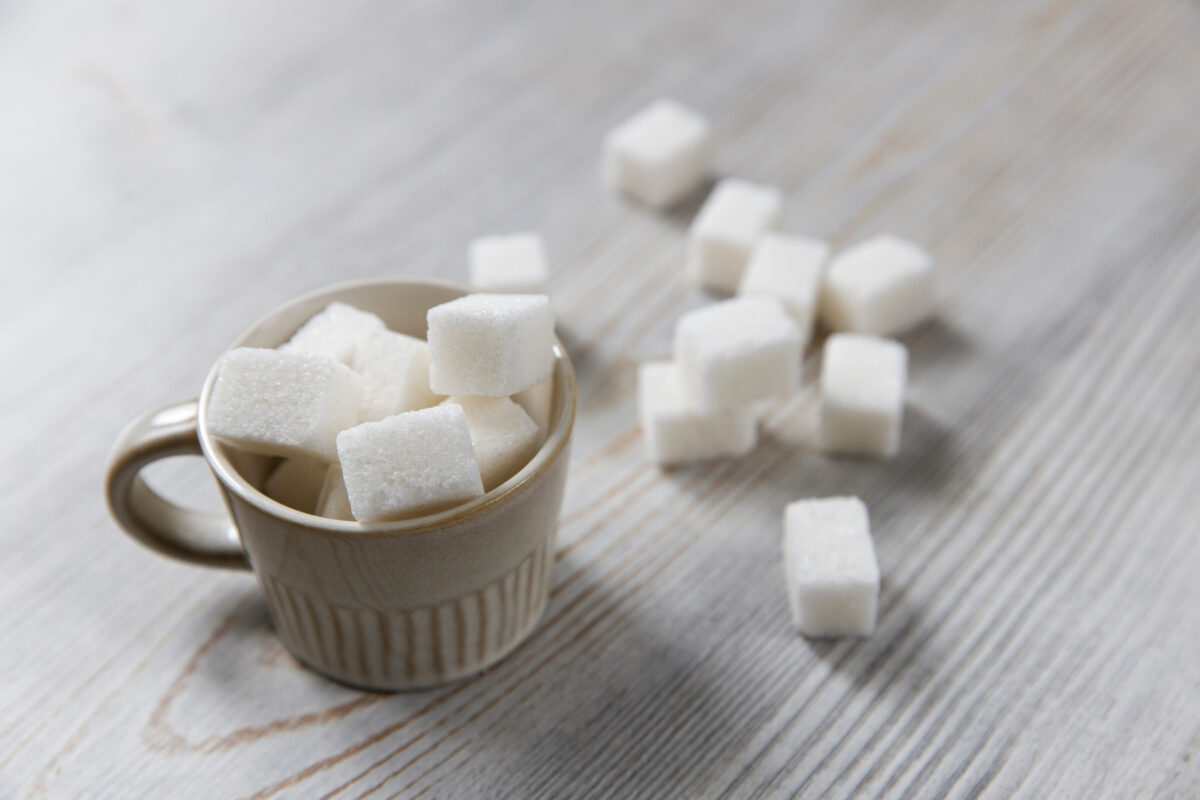
Many people use artificial sweeteners such as aspartame, saccharin, and sucralose as sugar substitutes, believing they are a healthier option. However, research has shown that these sweeteners can disrupt the gut microbiome.
They may reduce gut bacterial diversity, which can impair digestion and lead to bloating, gas, and other digestive issues. In some cases, artificial sweeteners can even contribute to the development of glucose intolerance, which can lead to metabolic problems.
How to Protect Your Gut: Choose natural sweeteners like stevia or monk fruit instead of artificial ones, or gradually reduce your intake of sweeteners altogether.
Dairy Products
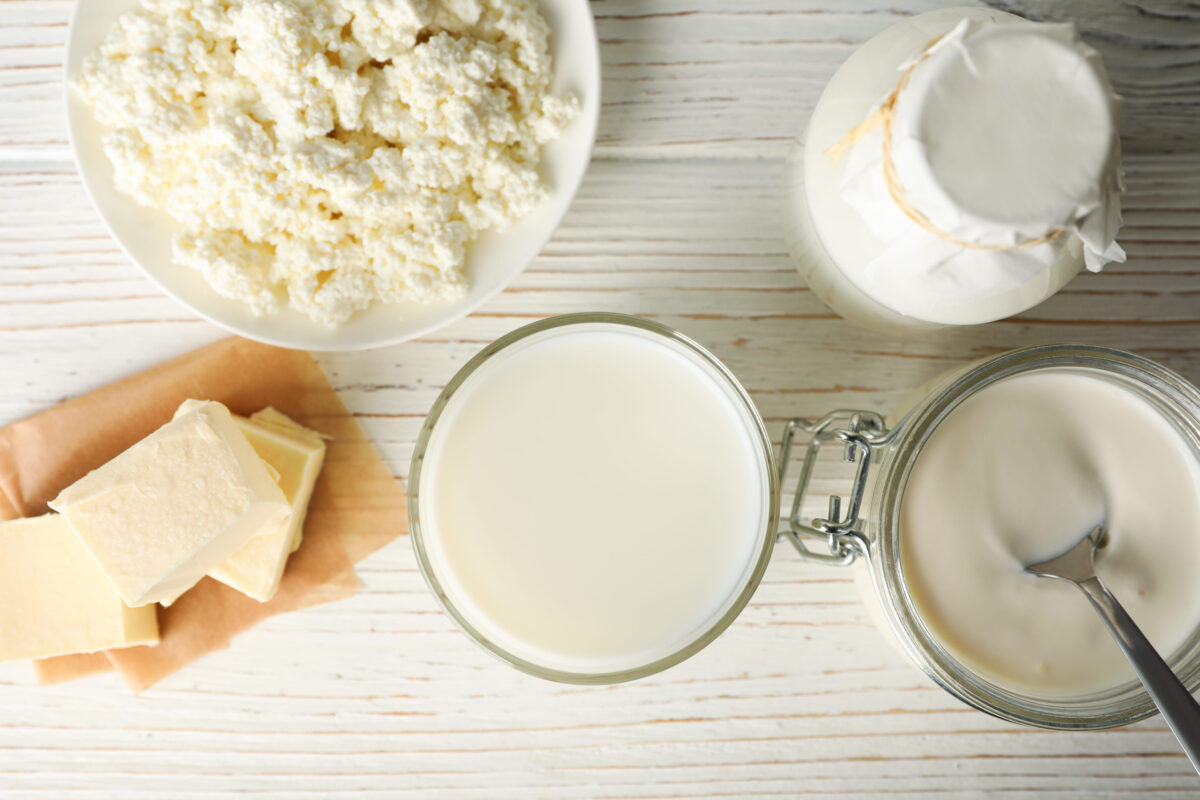
For some individuals, dairy products can wreak havoc on gut health. Lactose, the sugar found in milk, is difficult for many people to digest, particularly those with lactose intolerance. This can lead to symptoms such as bloating, gas, and diarrhea.
Even for individuals without lactose intolerance, the proteins in dairy can be inflammatory, exacerbating gut conditions like IBS and inflammatory bowel disease (IBD).
How to Protect Your Gut: If you experience discomfort after consuming dairy, consider switching to lactose-free or plant-based alternatives, such as almond, oat, or soy milk.
Red Meat
While red meat is a rich source of protein and iron, it can be tough on your digestive system, especially when consumed in large amounts.
Red meat is harder to digest than leaner proteins like chicken or fish, and its high fat content can contribute to gut inflammation. Additionally, cooking red meat at high temperatures (such as grilling or barbecuing) can create compounds that further irritate the digestive tract.
How to Protect Your Gut: Limit red meat intake and opt for lean protein sources like chicken, fish, and plant-based alternatives such as legumes and tofu.
Fried Foods

Fried foods, particularly those fried in unhealthy oils, are high in trans fats and other compounds that can harm the gut lining.
These fats are difficult to digest and can disrupt the gut microbiome, promoting the growth of harmful bacteria while suppressing beneficial bacteria. Additionally, fried foods tend to be low in fiber, making it harder for the digestive system to break down food properly.
How to Protect Your Gut: Instead of frying, try baking, grilling, or steaming your foods to preserve their nutritional value and reduce the strain on your digestive system.
Gluten
Gluten, a protein found in wheat, barley, and rye, can be problematic for individuals with celiac disease or non-celiac gluten sensitivity.
For those with these conditions, consuming gluten can trigger gut inflammation, leading to symptoms such as bloating, diarrhea, fatigue, and abdominal pain. Even for people without a diagnosed sensitivity, high-gluten diets can contribute to gut inflammation and worsen symptoms of IBS.
How to Protect Your Gut: If you suspect gluten is causing digestive issues, consider eliminating it from your diet for a few weeks to see if your symptoms improve. Gluten-free alternatives, such as rice, quinoa, and other gluten-free grains, can help support gut health.
Alcohol
While an occasional drink might not cause significant harm, excessive alcohol consumption can disrupt gut health in numerous ways.
Alcohol irritates the stomach lining, leading to inflammation and gut permeability. Over time, excessive drinking can alter the composition of gut bacteria, increasing the number of harmful bacteria and decreasing the number of beneficial bacteria. This imbalance can lead to digestive issues, including bloating, gas, and diarrhea.
How to Protect Your Gut: Limit alcohol intake, and try to avoid drinking on an empty stomach to reduce the risk of gut irritation. If you have digestive issues, consider cutting back or eliminating alcohol from your diet.
Caffeinated Beverages
Caffeine, found in coffee, tea, and energy drinks, is a stimulant that can irritate the stomach lining and increase acid production, leading to heartburn and indigestion.
For those with sensitive stomachs or conditions like gastritis or acid reflux, caffeine can exacerbate symptoms. Caffeine can also disrupt the balance of gut bacteria, potentially contributing to digestive issues over time.
How to Protect Your Gut: If you find that caffeine affects your digestion, consider reducing your intake or switching to decaffeinated versions of your favorite beverages.
Conclusion
Your gut health is integral to your overall well-being, influencing everything from digestion to immune function and even mental health.
By being mindful of the foods you consume and making adjustments to reduce the intake of gut-damaging foods, you can foster a healthier, more balanced gut. Opt for whole, unprocessed foods, limit processed and inflammatory foods, and listen to your body’s signals. Small changes in your diet can make a significant difference in maintaining a healthy gut and promoting long-term digestive health.