10 Cleaning Products You’re Wasting Money On
Cleaning aisles are filled with products promising miracles, but most fail to deliver anything beyond frustration and empty wallets. From fancy gadgets to scented sprays, these items often cost more than they’re worth and clutter your home without improving cleanliness.
We’ve identified the top ten products you can confidently remove from your shopping list, and we’ve included smarter, cost-effective alternatives that actually get the job done. Stop paying for marketing fluff and start cleaning with tools that work.
Here’s the full list of cleaning products you can ditch immediately, along with what to use instead for a truly cleaner home.
Paper Towels

Paper towels are marketed as essential for every household mess, but their recurring cost adds up fast. They’re weak for larger cleaning tasks and are difficult to recycle once greasy or stained. Durable, washable cloths outperform paper towels, absorbing more liquid, scrubbing surfaces more effectively, and lasting for months of repeated use.
Using cloths instead of paper towels reduces waste and provides a more effective cleaning experience. They’re ideal for everything from wiping counters to drying dishes and cleaning spills, giving you superior results while saving money and keeping your home clutter-free.
Swiffer-Style Disposable Mops
Swiffer-style mops are convenient, but the disposable pads just push dust and dirt around rather than trapping it. They also require frequent replacement, which creates recurring costs and unnecessary environmental waste. Investing in a mop with reusable pads or using a vacuum attachment for dust and debris cleaning is more efficient, cost-effective, and sustainable.
Reusable mop pads can clean multiple rooms without losing effectiveness, and they allow you to control moisture and pressure, which is especially important for delicate flooring. Over time, this investment reduces clutter, limits recurring expenses, and improves overall cleaning performance.
Laundry Detergent Pods and Scent Boosters
Laundry pods look convenient and modern, but they rarely clean as well as standard liquid detergent. Pods can leave waxy residues on clothes and sometimes in your washing machine, creating more problems than they solve. Scent boosters add fragrance but do nothing for stains, and some can even irritate sensitive skin. Switching to a quality liquid detergent gives you control over the dosage for each load, letting you clean more efficiently without wasting money.
Liquid detergent also allows customization; you can adjust the amount based on the size and dirtiness of your load. Adding a few drops of essential oils gives your laundry a pleasant fragrance without the unnecessary cost of commercial scent boosters. Over time, this simple adjustment reduces chemical exposure, prevents residue buildup, and saves a significant amount of money.
Disposable Cleaning Wipes
Pre-moistened wipes promise convenience but are mostly a money trap. They generate massive amounts of waste while rarely outperforming a damp cloth or microfiber pad. Many also fail to disinfect as advertised, leaving surfaces only superficially clean. Reusable microfiber cloths, when used with a standard spray cleaner or diluted disinfectant, can trap dirt and germs far more effectively, providing a deeper clean with a fraction of the environmental impact.
Microfiber cloths are highly durable, washable, and designed to capture dust, dirt, and oils from multiple surfaces. One set of clothes can replace hundreds of disposable wipes, drastically reducing recurring purchases. They also offer superior versatility, from cleaning counters and cabinets to polishing mirrors and electronics, making them an all-in-one solution for serious home maintenance.
Robotic Vacuums
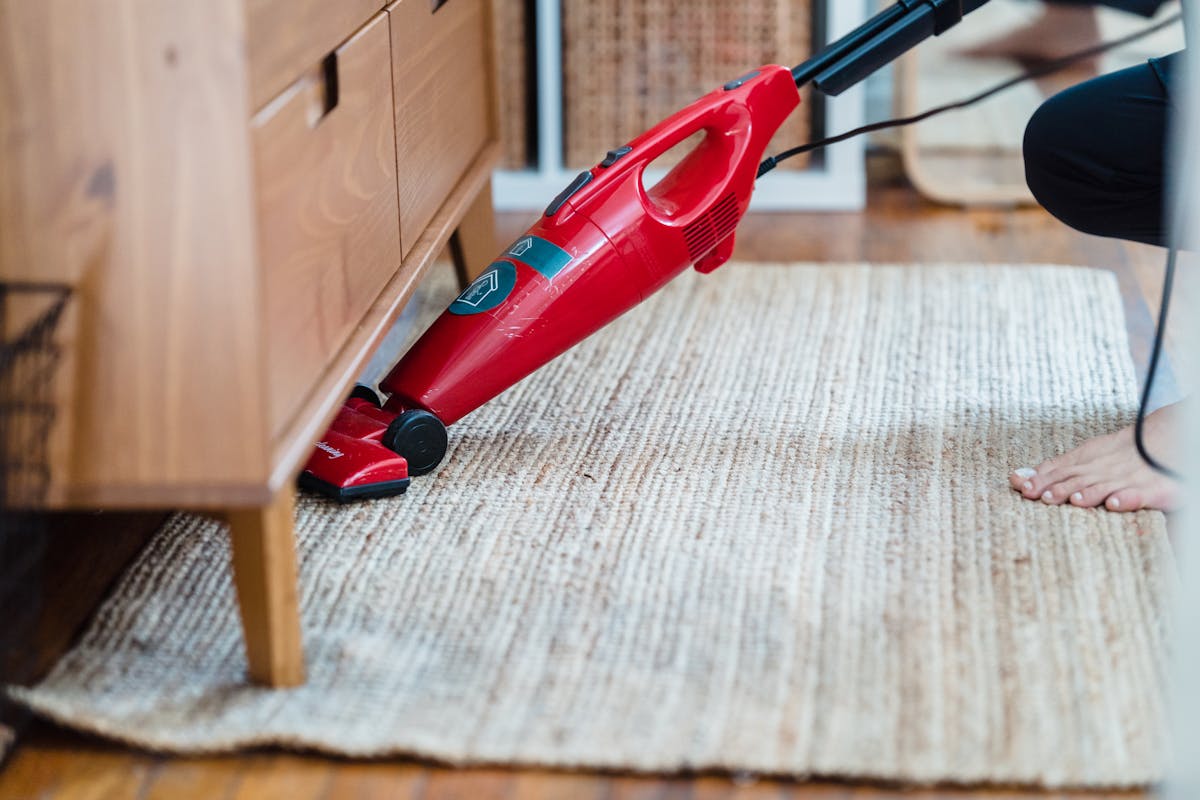
Robotic vacuums are designed to make cleaning effortless, but most struggle with clutter, textured rugs, or heavy debris. They are expensive to purchase and maintain, and their performance often falls short of that of a traditional vacuum. Lightweight upright or stick vacuums deliver deeper, faster, and more consistent cleaning, especially in homes with pets, high traffic, or multiple floor types.
While robotic vacuums can supplement your cleaning routine, relying solely on them often leaves hidden dirt along baseboards, corners, and under furniture. Traditional vacuums provide more suction, greater versatility, and control over cleaning paths, ensuring your home is genuinely clean every time.
Steam Mops
Steam mops are marketed for deep sanitization, but they can damage wood, laminate, and sensitive flooring. They often leave streaks and are less effective at removing stubborn grime compared to traditional methods. Standard wet mopping with a balanced cleaning solution provides superior cleaning while giving you complete control over moisture and cleaning intensity.
Wet mopping offers greater precision and reduces the risk of long-term damage to your floors. It’s safer, more reliable, and more cost-effective, delivering the sanitation you need without risking scratches, warping, or expensive repairs.
Lint Rollers
Lint rollers are handy for quick pet hair removal, but are costly and inefficient for larger areas. The sticky sheets run out quickly and must be replaced constantly, adding to household waste. Reusable bristle brushes, rubber gloves, or even slightly damp microfiber cloths remove hair, lint, and fuzz effectively while eliminating recurring expenses.
These alternatives are washable, long-lasting, and provide better coverage for larger surfaces. They also give more control, allowing you to remove debris from clothing, furniture, and upholstery with far less hassle than disposable rollers.
Plug-In Air Fresheners
Plug-in air fresheners provide temporary fragrance but fail to eliminate odors at the source. They often contain chemicals that irritate the respiratory system or trigger headaches in sensitive individuals. Natural alternatives like baking soda, activated charcoal, or essential oil diffusers neutralize odors safely and effectively.
These natural solutions improve air quality, reduce chemical exposure, and eliminate the constant replacement costs associated with synthetic plug-ins. You’ll maintain a fresher home environment without relying on ineffective, temporary solutions.
Specialty “Natural” Cleaners
Many specialty “natural” cleaners charge a premium price without offering better performance. They often contain the same active ingredients as conventional products and rarely justify the cost. DIY solutions using vinegar, water, dish soap, or baking soda are safer, cheaper, and just as effective for glass, grease, and grime.
Making your own cleaners also allows full control over the ingredients, reducing exposure to unnecessary chemicals. DIY solutions save money, reduce waste, and deliver the cleaning power needed to maintain a truly spotless home.
Feather Dusters
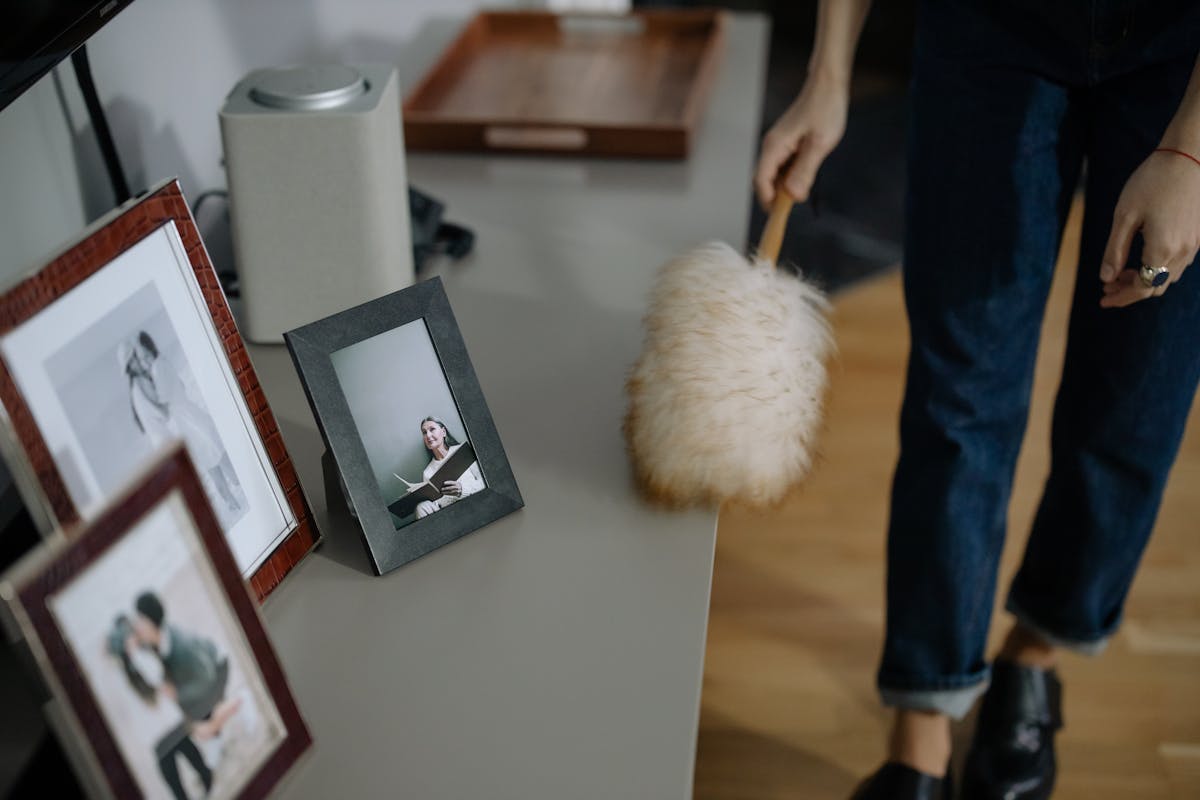
Feather dusters are often sold as elegant, easy-to-use cleaning tools, but they scatter dust into the air rather than trapping it. This leaves surfaces only partially clean and spreads allergens throughout the room. Slightly damp microfiber cloths are far more effective, capturing dust and allergens efficiently while leaving surfaces truly clean.
Microfiber works on delicate furniture, electronics, and glass without scratching, and it drastically reduces airborne particles. This means your home stays cleaner longer and healthier, especially for anyone sensitive to dust and allergens.
Conclusion
Stop paying for marketing gimmicks and focus on tools and solutions that work. Investing in reusable cloths, basic DIY solutions, and essential products saves money, reduces waste, and delivers real results. Cleaning doesn’t need to be complicated or expensive; it just needs the right approach.