New Jersey’s “Skip the Stuff” Law Turns a Plastic Fork Into a Test of Modern Convenience
The most important item in a New Jersey takeout order may no longer be the meal. It may be the tiny unchecked box hiding near the payment button.
Since August 1, 2026, restaurants across the state have stopped automatically placing disposable utensils and condiment packets inside many takeout bags. Under New Jersey’s new “Skip the Stuff” law, customers must request the extras they actually need instead of receiving a fistful of forks, spoons, straws, and ketchup packets by default.
The rule has already produced the predictable political fireworks. Some critics have joked that toilet paper in public restrooms will be rationed next. At the same time, supporters see a practical way to reduce the mountain of unused plastic collecting in kitchen drawers and landfills. Yet the real story is not about a fork disappearing from an Olive Garden bag. It is about what happens when convenience stops being automatic.
One forgotten checkbox can change the entire meal
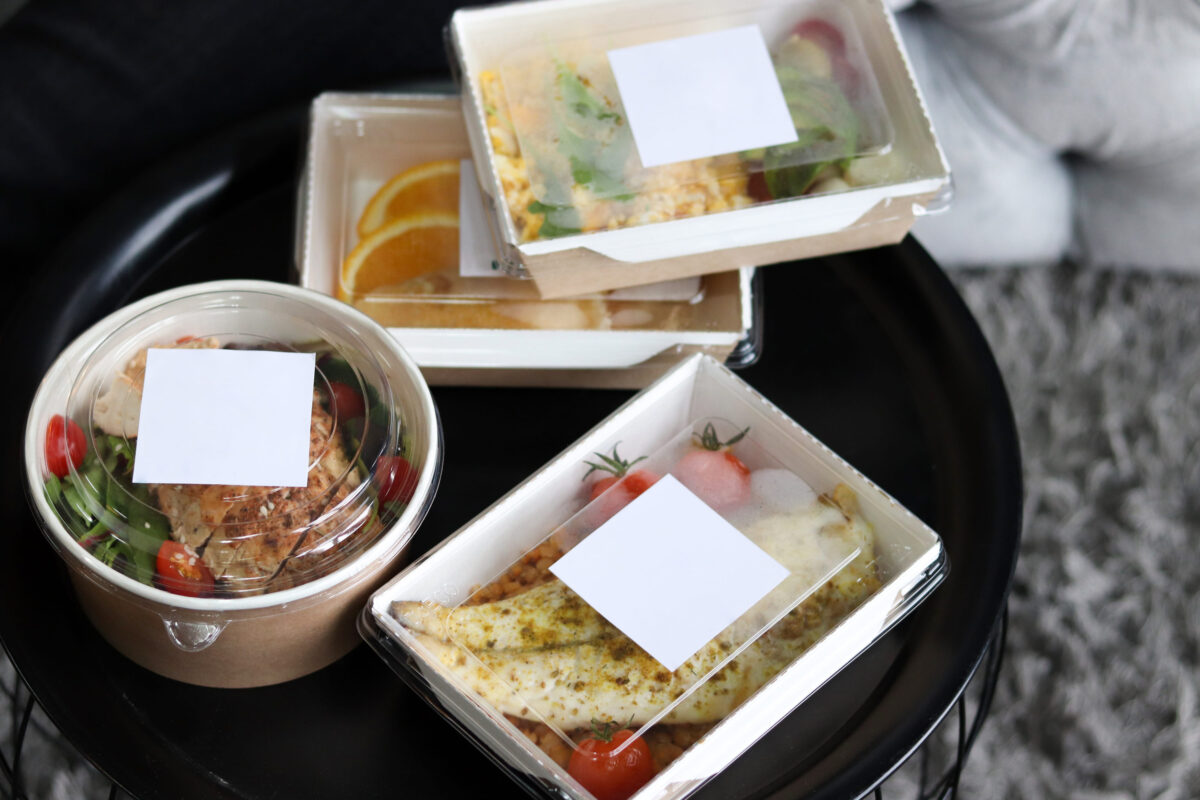
Imagine ordering pasta to a hotel, hospital waiting room, construction site, or park. The food arrives hot, the sauce smells perfect, and the delivery driver has already disappeared. Then we open the bag and discover there is no fork.
At home, that mistake is a minor annoyance. Away from home, it can turn a simple lunch into a messy problem. New Jersey’s law assumes diners will notice the utensil option during checkout, understand the new requirement, and correctly predict everything they will need when the food arrives.
Online ordering platforms must now default to no utensils or condiments. Customers have to actively opt in, meaning a rushed diner who taps through checkout may unknowingly decline the tools needed to eat the meal.
That makes the law a fascinating experiment in consumer behavior. For years, restaurants assumed everyone wanted disposable extras. New Jersey has reversed that assumption and placed the decision in the customer’s hands.
The fork has not been banned. It has become homework.
The law is broader than the plastic debate suggests
Much of the early attention has described the measure as a crackdown on plastic cutlery. That description misses an important detail.
The legislation covers single-use utensils designed to be thrown away after one use, not only traditional plastic items. A disposable wooden fork or bamboo spoon may still fall under the request-only system. Plastic straws remain subject to New Jersey’s earlier straw-by-request rules.
The rules also extend to condiment packets, including ketchup, mustard, mayonnaise, salt, pepper, hot sauce, and similar extras. However, napkins are not included, despite some reports grouping them with the restricted items. NJDEP specifically states that the law does not cover napkins.
Full-service restaurants with at least 10 seats must use reusable, washable utensils for customers dining inside. Condiments should generally arrive in bottles or reusable portion cups rather than stacks of individual packets. Takeout customers may still receive disposable items when the request follows the applicable ordering rules.
The measure therefore does more than remove plastic from bags. It redesigns the small rituals surrounding restaurant meals.
Restaurants may welcome the savings but inherit the frustration

Every unused fork costs a restaurant money. So does every unopened mustard packet that travels from a supply box to a takeout bag and then directly into the trash.
NJDEP says businesses can reduce stocking, purchasing, and waste-management costs by moving away from unnecessary disposable products. Its restaurant guidance also cites potential savings for businesses that replace single-use dine-in items with reusable alternatives.
The financial logic is easy to understand. A restaurant completing thousands of takeout orders could save substantial amounts by no longer giving every customer a complete cutlery package.
But restaurants will also stand at the front line when customers forget to opt in.
Delivery apps write the code, lawmakers create the rule, and environmental agencies explain the policy. The worker behind the counter, however, may be the person facing an angry diner who expected four forks and received none.
NJDEP has even prepared guidance telling restaurant employees to remain calm, explain that the business is following state law, and assure customers that requested items remain available. That advice reveals an uncomfortable truth: officials expect confusion.
The next phase will dismantle the familiar cutlery pack
The August 2026 rollout is only the beginning.
Starting August 1, 2027, food businesses will no longer be allowed to distribute bundled packages containing multiple types of single-use utensils or condiments, even when customers request them. The familiar plastic-wrapped package containing a fork, knife, spoon, salt, and pepper is therefore heading toward extinction in New Jersey.
That change could produce a more precise system. Someone ordering soup may receive one spoon instead of an entire collection of accessories. A person ordering pasta may get only a fork.
Food courts have until August 1, 2028, to comply. K-12 schools, licensed healthcare facilities, and state or county correctional institutions are exempt. Businesses that violate the utensil and condiment provisions receive a warning for the first offense, followed by possible daily fines of up to $100 for a second violation and $250 for subsequent violations.
The real target is the automatic yes

The loudest debate will continue to focus on government overreach, environmental responsibility, and the inconvenience of remembering to request ketchup. Yet New Jersey is challenging something larger: the quiet power of default settings.
When utensils appeared automatically, customers rarely considered whether they needed them. When the default becomes “no,” people must make a conscious choice. That single change could prevent thousands of unwanted items from entering takeout bags without banning anyone from eating with a disposable fork.
The policy will undoubtedly create awkward meals and irritated customers. It will also expose how much waste was created simply because nobody stopped to ask whether an item was necessary.
New Jersey has not made forks illegal. It has made forgetfulness more expensive, preparation more important, and the smallest checkbox on a restaurant app impossible to ignore.