11 Countries Where Faith Can Still Get You Punished
Religious freedom can sound like a basic human right until you look at the places where belief is still treated like a threat. In some countries, worship is monitored, religious groups are forced to register with the state, minority communities are harassed, sacred texts are restricted, and people can face prison, violence, exile, or worse because of what they believe.
The danger is not always obvious from the outside. A country may have beautiful cities, ancient temples, famous landmarks, busy markets, or a polished tourism image, while religious minorities live under pressure most visitors never see. In these places, faith is not just personal. It can become political, dangerous, and heavily controlled.
North Korea
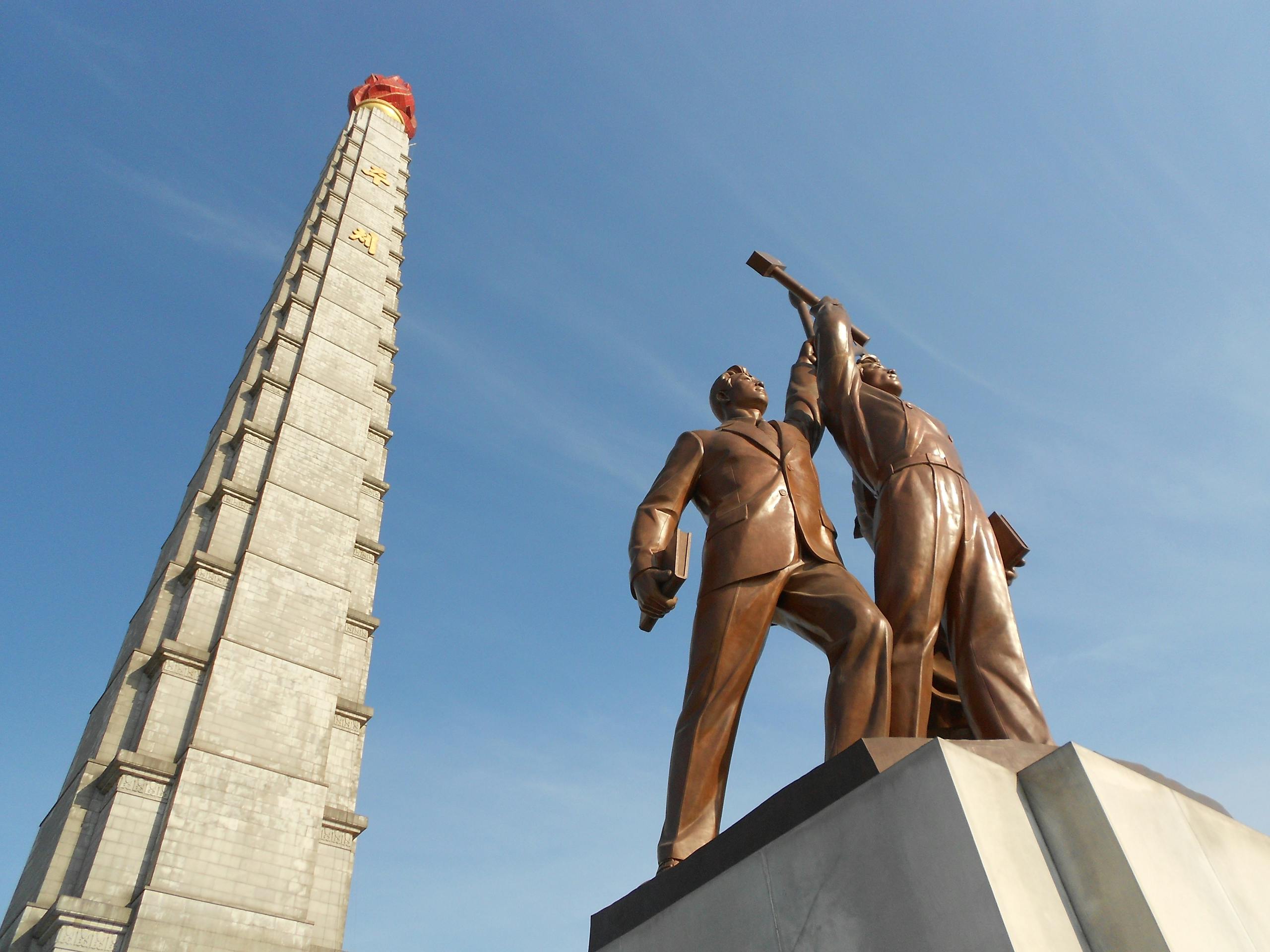
North Korea remains one of the most frightening places in the world for religious expression. The state demands extreme loyalty to its ruling ideology, leaving little room for independent faith communities. Religious activity outside official control can be treated as a political crime, especially when it is linked to outside influence.
For believers, secrecy can become a survival strategy. Worship, prayer, religious texts, or contact with foreign religious groups may bring interrogation, imprisonment, or punishment that affects entire families. The fear is not only that faith will be rejected. It is that faith will be seen as betrayal.
Russia
Russia’s religious restrictions have expanded under the language of security, extremism, and national identity. Some minority religious groups have been banned, monitored, raided, or prosecuted. Jehovah’s Witnesses, certain Muslim groups, Protestant communities, and religious voices critical of the state have faced pressure.
The danger in Russia is that religious activity can be reframed as political suspicion. Meetings, literature, donations, or foreign ties may be treated as threats. In that climate, faith communities are not only managing belief. They are managing the risk of being labeled dangerous.
Afghanistan
Afghanistan’s religious climate became far more restrictive under Taliban rule. The Taliban’s interpretation of Islamic law shapes public life, leaving little space for religious minorities, dissenting Muslims, women’s freedom, or people accused of apostasy. Many non-Muslim communities have fled, gone underground, or become nearly invisible.
The danger is especially severe for converts and minority believers. A person’s faith can affect their safety, family relationships, movement, and survival. In Afghanistan, religious control is not just a legal issue. It is woven into daily fear.
China
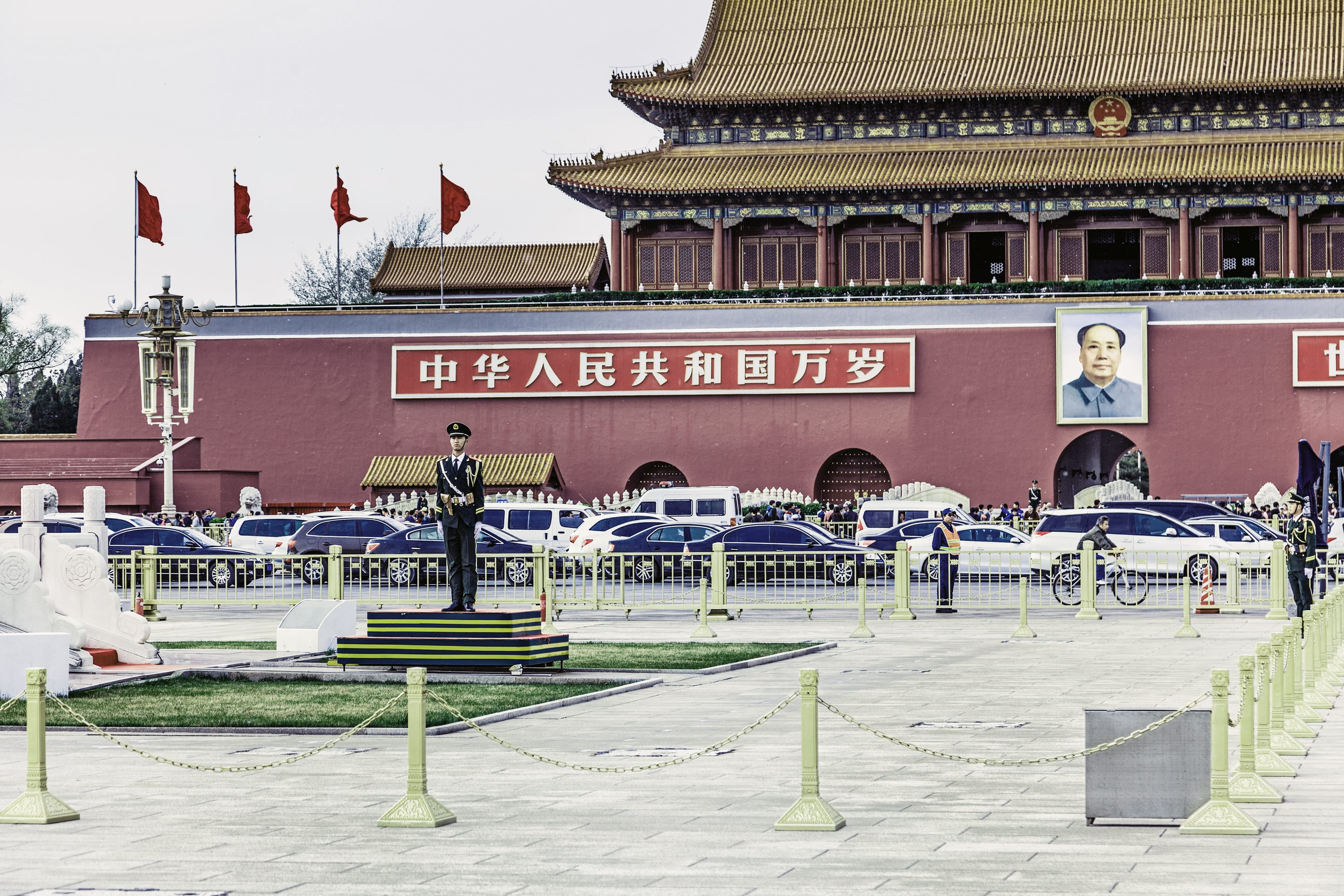
China’s religious restrictions are broad, sophisticated, and deeply tied to state control. The government recognizes certain religious organizations, but worship outside approved systems can bring surveillance, raids, detention, or pressure to conform. In regions such as Xinjiang and Tibet, religious identity can become heavily policed.
Technology has made that pressure even more chilling. Facial recognition, digital monitoring, neighborhood reporting, and online censorship can turn belief into something the state watches closely. Christians, Uyghur Muslims, Tibetan Buddhists, Falun Gong practitioners, and other groups have all faced serious restrictions in different ways.
Iran
Iran’s government allows some recognized religious minorities to exist under tight limits, but anyone outside the approved religious order can face serious danger. Converts from Islam, Baha’is, dissident Muslims, Christians, and other minority groups may face arrests, harassment, property seizures, exclusion from education, or criminal charges.
The pressure often reaches beyond worship spaces. It can affect jobs, schools, family life, travel, and basic security. In a system where religion and state power are tightly connected, private belief can become a public risk.
Eritrea
Eritrea is often described as one of the harshest environments for religious freedom in Africa. The government recognizes only a small number of religious groups, leaving many others vulnerable to punishment. Unregistered churches and religious communities may face raids, arrests, and long detention.
The cruelty is intensified by Eritrea’s wider record of repression. People can be held without normal legal protections, and religious prisoners may spend years in harsh conditions. For some believers, the cost of worship is not social discomfort. It is the risk of disappearing into detention.
Pakistan
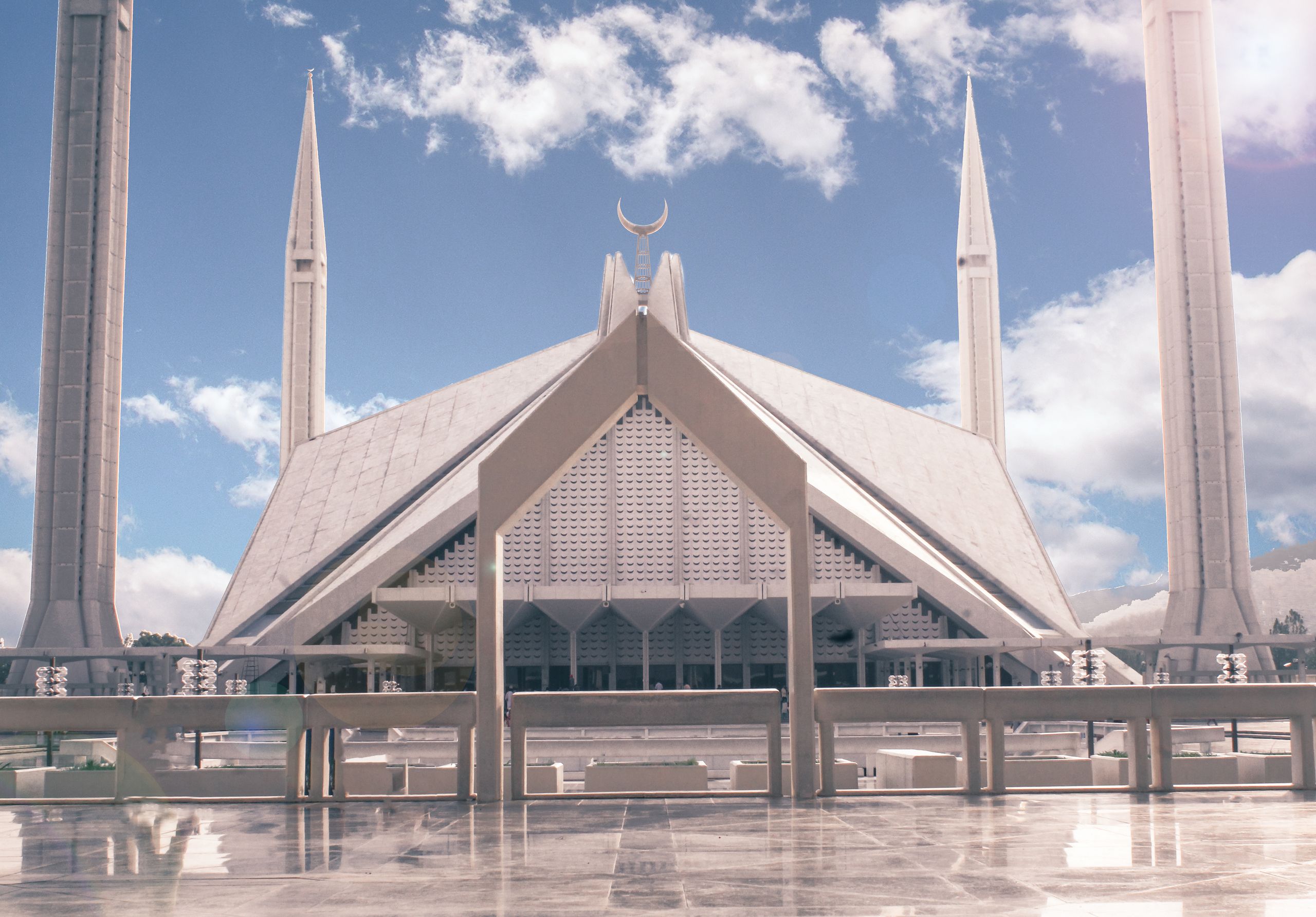
Pakistan’s religious freedom crisis is deeply tied to blasphemy laws, mob violence, and discrimination against minority communities. Christians, Hindus, Ahmadis, Shi’a Muslims, and others may face threats from both legal systems and social hostility. Accusations of blasphemy can become life-threatening even before a court decides anything.
The fear around these accusations can silence entire communities. People may avoid speaking openly, teaching freely, or practicing openly because a single rumor can spark violence. In that environment, religious identity can feel like something constantly exposed to danger.
Tajikistan
Tajikistan’s restrictions often focus on controlling Islamic expression, religious education, dress, youth involvement, and independent religious activity. The state presents many restrictions as anti-extremism measures, but the result can be broad pressure on peaceful religious practice.
Families may face limits on how children learn about religion, how communities gather, and how openly people express their beliefs. When a government treats independent faith as a security problem, ordinary religious life can become tense. People may still believe, but they learn to measure every public sign of belief carefully.
Turkmenistan
Turkmenistan keeps religious life under strict state control. Religious groups often face registration barriers, surveillance, limits on literature, and restrictions on teaching or gathering. Independent religious activity can draw unwanted attention from authorities.
For ordinary believers, that means worship can become cautious and controlled. The state’s grip on public life leaves little room for communities that want to operate freely. Even peaceful faith practice can feel risky when permission, monitoring, and punishment are always nearby.
Saudi Arabia
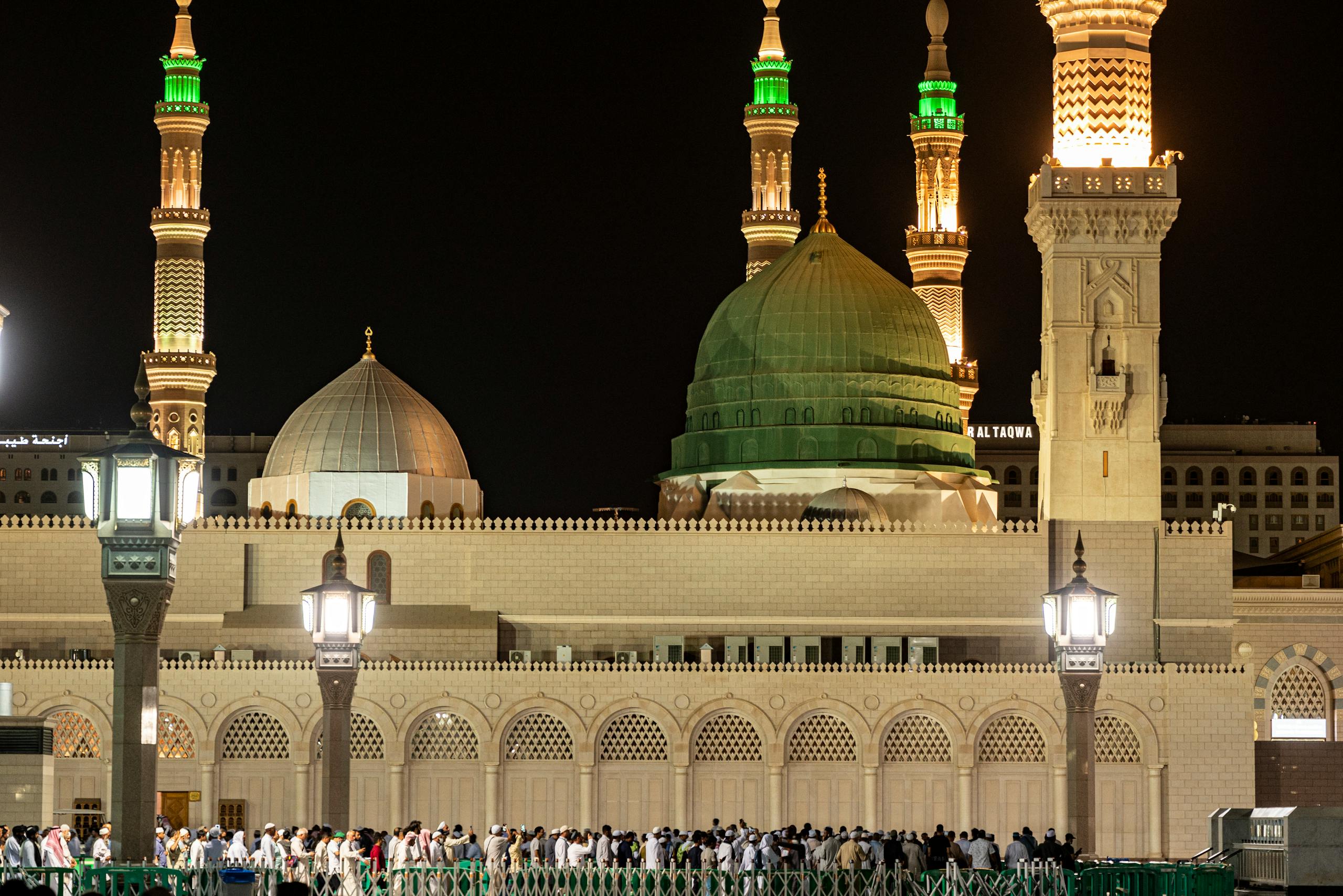
Saudi Arabia has made social reforms in recent years, but religious freedom remains tightly restricted. Public worship outside the state-approved interpretation of Islam is limited, and non-Muslim religious expression is heavily controlled. The country’s religious rules still shape public behavior, speech, education, and legal consequences.
For migrant workers and religious minorities, the pressure can be especially complicated. Many people practice privately, carefully, and quietly. The state may look more modern in some ways, but religious independence still has hard limits.
Nigeria
Nigeria’s religious freedom crisis looks different because the danger often comes from both state failures and violent nonstate actors. In parts of the country, Christians, Muslims, and traditional religious communities have faced attacks, displacement, kidnappings, and killings linked to extremist groups, armed militias, and local conflict. The government has often been criticized for failing to protect vulnerable communities effectively.
This makes religious freedom in Nigeria painfully complicated. The problem is not only whether people are allowed to worship on paper. It is whether they can gather, farm, travel, preach, pray, or live in certain regions without fear. When violence becomes normal and protection feels uncertain, freedom of belief becomes fragile in everyday life.