6 Popular Foods With Hidden Lead Risks
Lead can silently enter your food from soil, water, spices, cocoa, rice, and cookware. It does not announce itself, but repeated exposure over time can affect the brain, kidneys, blood, and nervous system. Children and pregnant people face the highest risk, making awareness essential for every household.
Knowing how lead travels from the environment to your plate lets us shop, cook, and store smarter. Pantry staples, root vegetables, grains, spices, and beverages can all carry invisible hazards if precautions are not taken. Here are the most common sources, the mechanisms of contamination, and practical ways to minimize risk.
Spices Carrying Heavy Metals
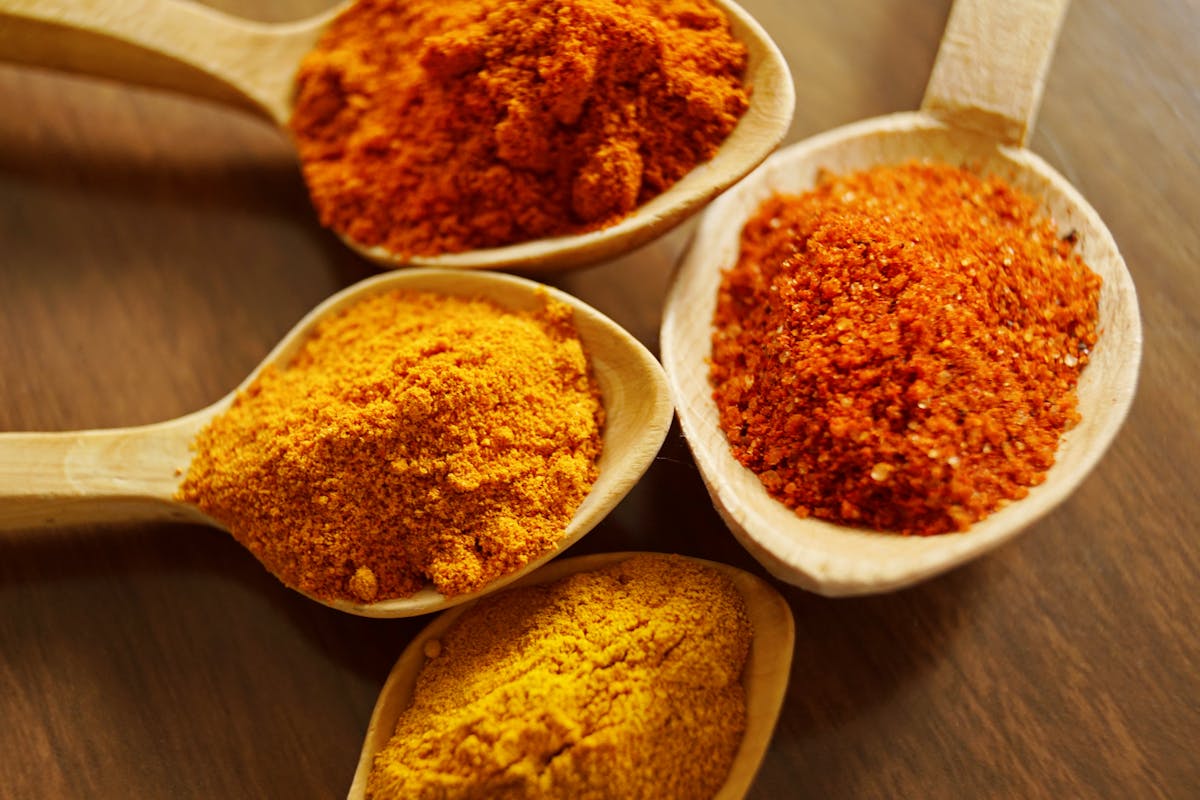
Spices can absorb lead from contaminated soil, improper drying methods, storage in leaded containers, or adulteration to enhance color. Turmeric, chili powder, paprika, curry blends, and cinnamon are most frequently affected. Imported or unlabeled bulk spices often carry a higher risk because quality control can be inconsistent.
Regular consumption increases the risk of accumulation, especially for children and pregnant people. Even small amounts used daily in teas, baked goods, and sauces can add up. Rotating spice brands, buying from reputable suppliers, and checking recall alerts are critical. Grinding your own spices at home from verified sources reduces the risk of contamination. Organic certifications can also provide some assurance, though they do not eliminate all risk.
Imported Candies
Imported candies can contain lead through chili, tamarind, or colored coatings. Unregulated production, low-quality dyes, and exposure to contaminated air, soil, or water can all contribute. Children who consume these products repeatedly are at higher risk because of their lower body mass and developing organs.
Many traditional candies, especially from artisanal or street vendors, may contain higher lead levels. Packaging or wrappers may also be a source of metals if they contain inks or decorations. Avoid products with unclear labeling, unknown origin, or suspiciously low prices. Rotating treats and limiting daily consumption reduces cumulative exposure. Be especially cautious with imported chewy candies, powders, and spiced snacks popular with kids.
Root Vegetables
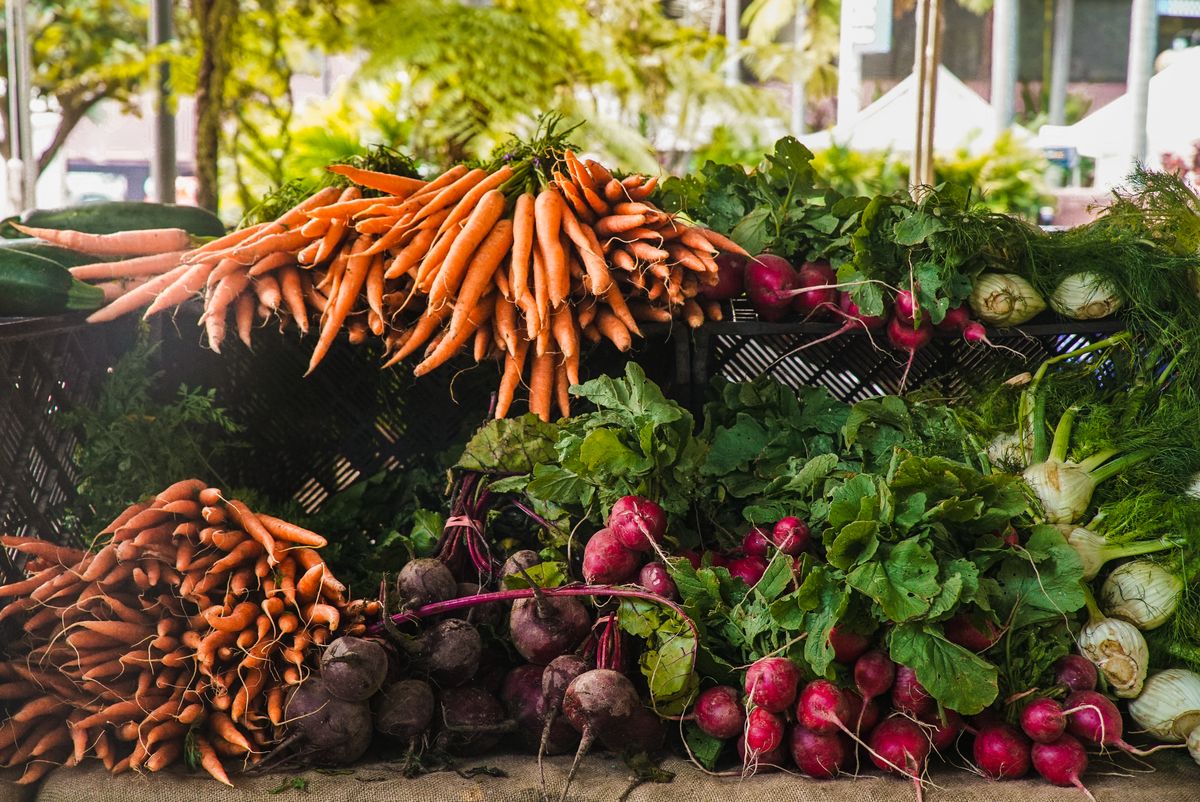
Carrots, potatoes, beets, and sweet potatoes absorb lead directly from soil and irrigation water. Contaminated urban or industrial soils pose a higher risk, particularly near old buildings, highways, or factories. Lead can accumulate in the skin and outer layers, making thorough washing and peeling essential.
Using raised beds with tested soil or sourcing from farms with clean practices reduces exposure. Organic or certified local produce often has lower contamination. Trimming off blemishes, peeling root crops, and rotating the types of vegetables offered to children lowers repetitive exposure. Storage methods also matter; keeping vegetables away from lead-painted surfaces or old metal containers prevents secondary contamination.
Rice and Grains
Rice and other grains absorb lead through soil and irrigation water. Regions with industrial pollution or contaminated water supply show higher levels. Infants and toddlers who eat rice cereals or snack products are at the greatest risk because repeated servings can accumulate lead exposure.
Cooking rice in excess water and draining can reduce some contamination, but source selection is more effective. Rotating grains like barley, quinoa, millet, and helps avoid repeated exposure to a single food. Pre-soaking rice before cooking may help reduce metals. Consumers should also be mindful of imported processed rice products that may have been produced using contaminated equipment or storage. Combining grains with other foods lowers risk while maintaining nutrition.
Cocoa and Chocolate
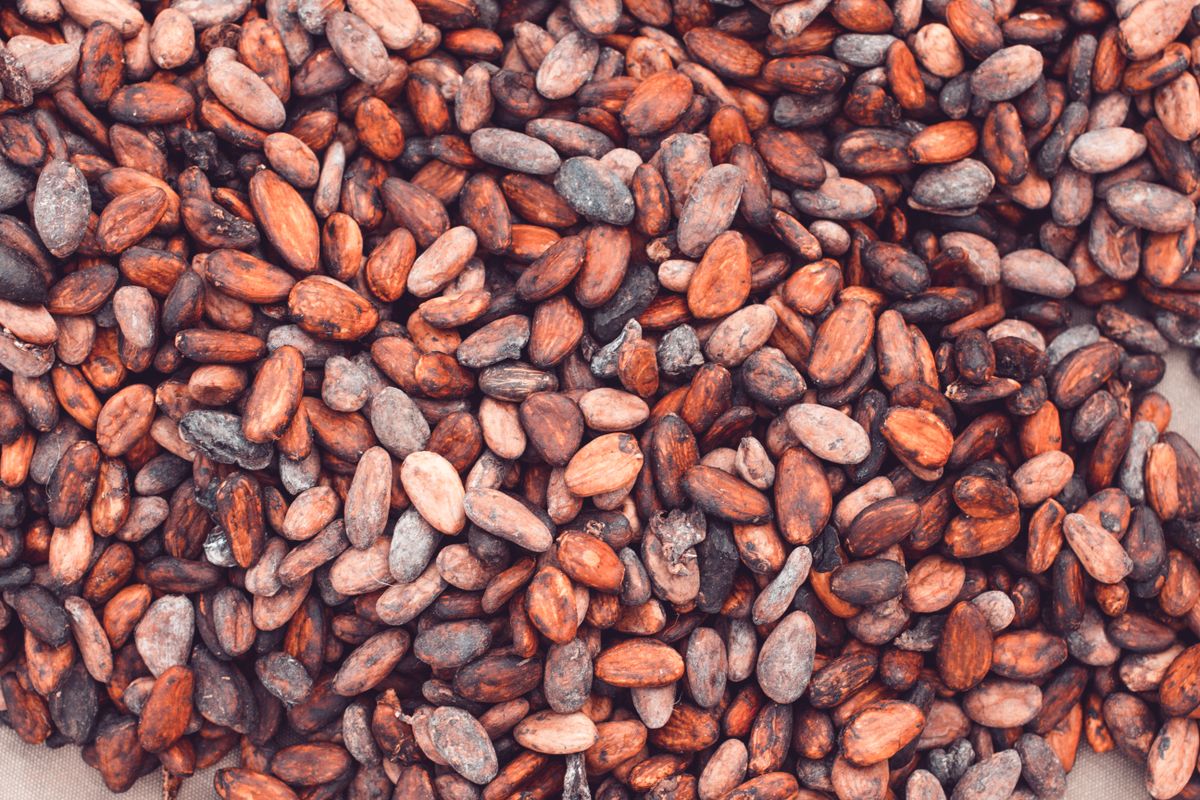
Cocoa beans can absorb lead from soil, dust, and environmental contaminants during harvest, fermentation, drying, and processing. Dark chocolate contains higher concentrations of cocoa solids. Imported chocolate from regions with weaker regulations poses the most concern.
Processing equipment, metal tools, and storage containers can introduce additional lead. Children who consume chocolate regularly, including in snacks ,cereal bars, and candies, are particularly exposed. Buying brands that conduct regular heavy-metal testing and limiting daily chocolate consumption reduces risk. Combining chocolate with other low-risk foods spreads dietary exposure.
Tea

Tea leaves absorb lead from soil and airborne dust, particularly in polluted growing regions. Herbal and green teas may carry lead, with matcha posing a higher risk because the whole leaf is ingested. Processing, storage, and blending with other herbs can introduce additional contamination.
Drinking multiple cups daily increases exposure, particularly for children. Rotating tea types and sourcing from reputable brands reduces risk. Avoid steeping leaves for extended periods or consuming powdered teas with unknown origins. Being mindful of imported blends or loose herbal teas is important when repeatedly exposed to them.
Reducing Lead in Your Kitchen
Variety of grains, vegetables, snacks, and spices to limit repeated exposure. Wash, peel, and trim produce, and buy spices and teas from trusted sources. Check recall alerts, use safe cookware, and rotate baby foods.
Smart shopping, careful storage, and consistent preparation habits turn a potentially hazardous kitchen into a safer one. Awareness and practical action remain the most effective defenses against lead quietly entering your diet.