Seeing Flock Cameras Everywhere in Texas? Here’s What They Actually Do
Across Texas, small black cameras mounted on poles are appearing on roads, neighborhoods, and city streets, sparking a growing debate over public safety, artificial intelligence, and personal privacy.
Known as Flock cameras, these devices have become a major topic of conversation as more Texas communities adopt automated license plate reader technology. Supporters say the cameras help police locate stolen vehicles, investigate crimes, and improve public safety. Critics worry that the growing network of surveillance tools could expand government tracking and create new privacy concerns.
The cameras are becoming increasingly common, but many Texans still have questions. What exactly do these devices capture? Where are they located? How long is information stored? And how much power does artificial intelligence give law enforcement?
Here is what residents need to know about Flock cameras spreading across Texas.
Small Cameras With a Big Role in Crime Investigations
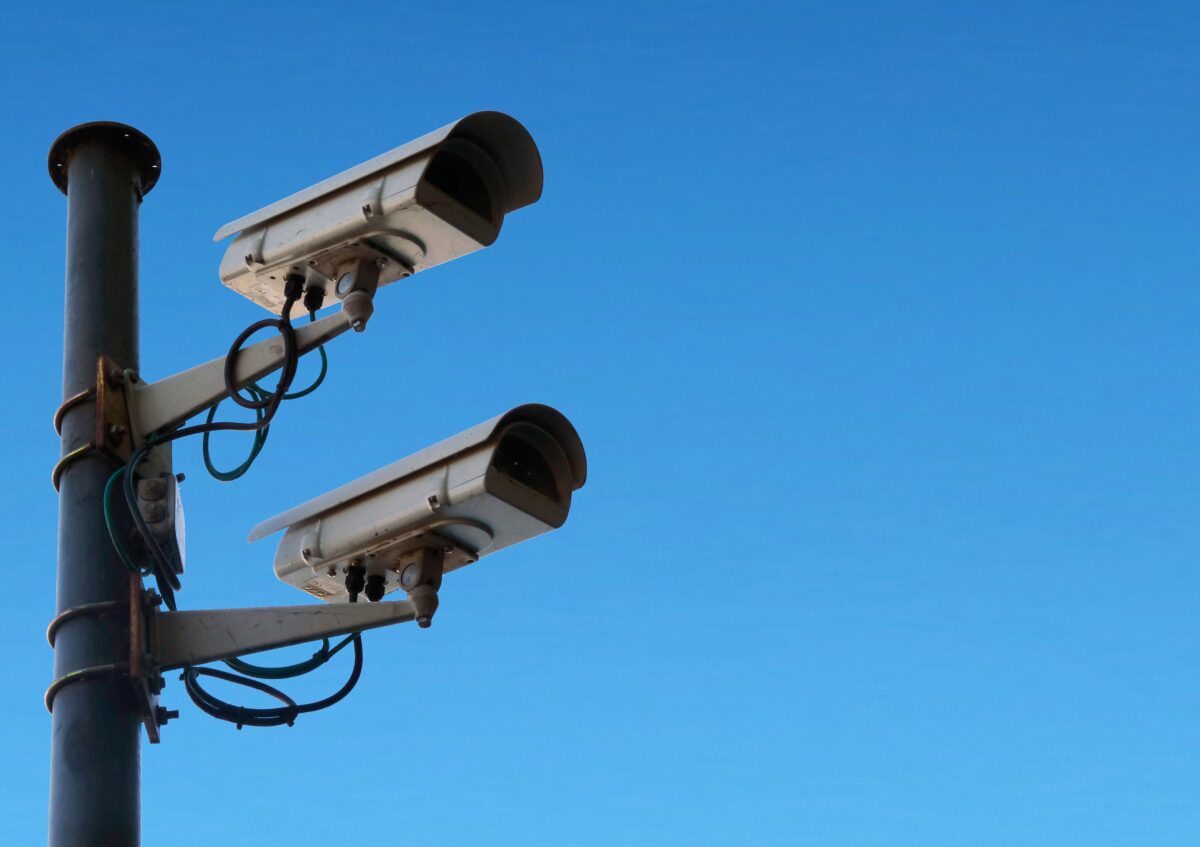
Flock cameras are designed to identify vehicles, not people, by capturing information as cars pass through their viewing area.
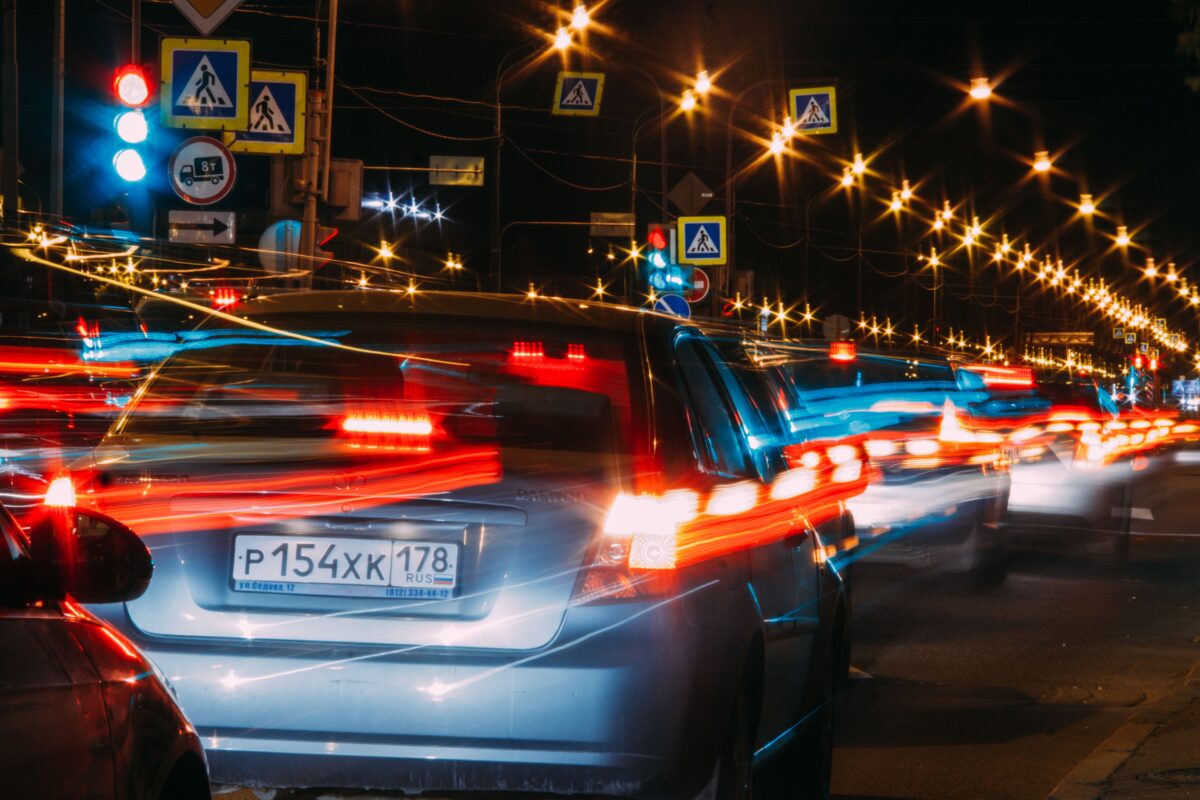
The technology is known as an automatic license plate reader, or ALPR. A typical Flock camera captures a vehicle’s license plate number, the type and appearance of the vehicle, and details such as the date, time, and location where the vehicle was recorded.
According to Flock Safety, the company behind the technology, the cameras do not use facial recognition and do not collect personal information connected directly to individuals.
Instead, the system creates a searchable record of vehicle activity. Law enforcement agencies and approved users can search the database when investigating crimes or looking for vehicles connected to specific cases.
For police departments, the technology can provide another tool during investigations. A vehicle suspected in a crime can potentially be tracked through previous camera sightings, helping investigators build a timeline of movements.
AI Gives Flock Cameras a More Advanced Ability

The biggest difference between Flock cameras and older license plate readers is the use of artificial intelligence to analyze vehicle data.
Traditional license plate readers primarily focused on capturing plate numbers. Flock’s system uses AI to create searchable descriptions of vehicles, allowing users to search for characteristics beyond a license plate.
For example, investigators may search for descriptions such as a “blue SUV with a racing stripe” or a “white pickup truck with a ladder in the back.”
Flock Safety has also introduced additional AI-based tools designed to help agencies identify patterns. These features include tools that can detect when the same license plate appears on different vehicles, identify vehicles detected across multiple states, and highlight frequent license plate reader matches connected to law enforcement watchlists.
Supporters argue these features help officers analyze large amounts of information faster. Instead of manually reviewing hours of footage or thousands of records, investigators can search for specific vehicle details.
However, critics argue that expanding AI-powered surveillance raises questions about how much information is collected and how it could be used in the future.
Privacy Concerns Continue to Grow
As Flock cameras spread, the debate has shifted from what the technology can do to what limits should exist around its use.
Privacy advocates have raised concerns about the creation of large databases containing records of where vehicles have traveled.
Even though the cameras do not identify individuals directly, critics argue that vehicle location information can reveal patterns about people’s daily lives, including where they work, shop, or spend time.
The lack of a centralized public database showing every Flock camera location in Texas has also contributed to concerns. Residents may know cameras exist in their communities but may not have a complete picture of where they are installed.
Supporters of transparency argue that communities should clearly inform residents about surveillance technology operating in public spaces.
At the same time, law enforcement agencies say the cameras are focused on vehicles involved in criminal investigations rather than monitoring ordinary residents.
Why Some Texans Are Fighting Back
The growing presence of Flock cameras has sparked opposition, including acts of vandalism against the devices in some areas.
Reports of cameras being damaged have appeared in Texas communities, with some devices being smashed or covered to prevent them from capturing images.
Similar incidents have occurred across the country as online discussions about surveillance technology have grown. Some social media posts have even encouraged people to interfere with the cameras, though authorities warn that damaging public safety equipment can lead to criminal charges.
Flock Safety has estimated that thousands of law enforcement agencies and communities across the United States use its technology.
The company argues that the cameras help solve crimes and provide valuable information without recording private conversations, faces, or personal identities.
Opponents argue that the rapid expansion of surveillance tools requires stricter rules to protect citizens from potential misuse.
Where Are Flock Cameras Located in Texas?

There is no single official statewide database showing every Flock camera location, making it difficult for residents to know exactly where they are operating.
A user-generated map created through DeFlock has become one of the most detailed sources showing reported camera locations across Texas.
The map includes reported locations in and around major population centers, including Dallas-Fort Worth, Austin, and Houston.
Some cities have publicly confirmed their use of Flock cameras. Officials in Abilene and Lubbock have confirmed that their communities operate the technology.
The Texas Department of Public Safety has also confirmed that it operates some Flock cameras, although the agency has not disclosed the exact number.
As more agencies adopt the technology, the number of cameras across the state is expected to continue changing.
How Long Does Flock Keep Vehicle Data?
Data retention is another major part of the debate because stored information determines how far back investigators can search.
Flock Safety says it follows existing laws and regulations governing how long license plate reader data can be kept. Those rules vary depending on location and agency requirements.
In cases where a customer wants to keep data longer than required, Flock offers extended storage options of up to one year. However, the company says agencies must receive approval from elected officials or governing bodies before extending retention periods.
Supporters argue that longer storage can help solve crimes discovered weeks or months after they happen.
Privacy advocates counter that keeping large amounts of vehicle data for extended periods increases the possibility of misuse or unauthorized access.
The Future of Surveillance in Texas
Flock cameras represent a larger national debate about how technology should balance public safety with personal privacy.
As artificial intelligence becomes more powerful, communities across Texas and the country are facing difficult questions about surveillance.
The technology can help police locate stolen vehicles, investigate crimes, and respond more quickly. But the same tools raise concerns about transparency, oversight, and how much information should be collected about everyday movements.
For Texans, the debate is not only about cameras on street corners. It is about deciding what role technology should play in public life and what protections should exist as surveillance systems become more advanced.
The small black boxes appearing across Texas roads may look simple, but the questions surrounding them are much bigger: how much security is worth the cost of privacy, and who gets to decide where that line should be drawn?