10 Food Container Mistakes That Can Make Your Leftovers Risky
Leftovers look harmless when they are sitting in a neat little container. The lid snaps on, the fridge door closes, and suddenly last night’s dinner feels like tomorrow’s easy lunch. It looks responsible, budget-friendly, and almost too organized to question.
But the wrong container mistake can quietly turn good food into a gamble.
A cracked plastic bowl, a deep container of hot soup, a loose lid, or one forgotten date label can create waste, strange smells, freezer burn, soggy meals, or food safety problems you never saw coming. The danger is not always dramatic. Sometimes it starts with the container you trusted without a second thought.
Letting Food Sit Out Too Long Before Storing It
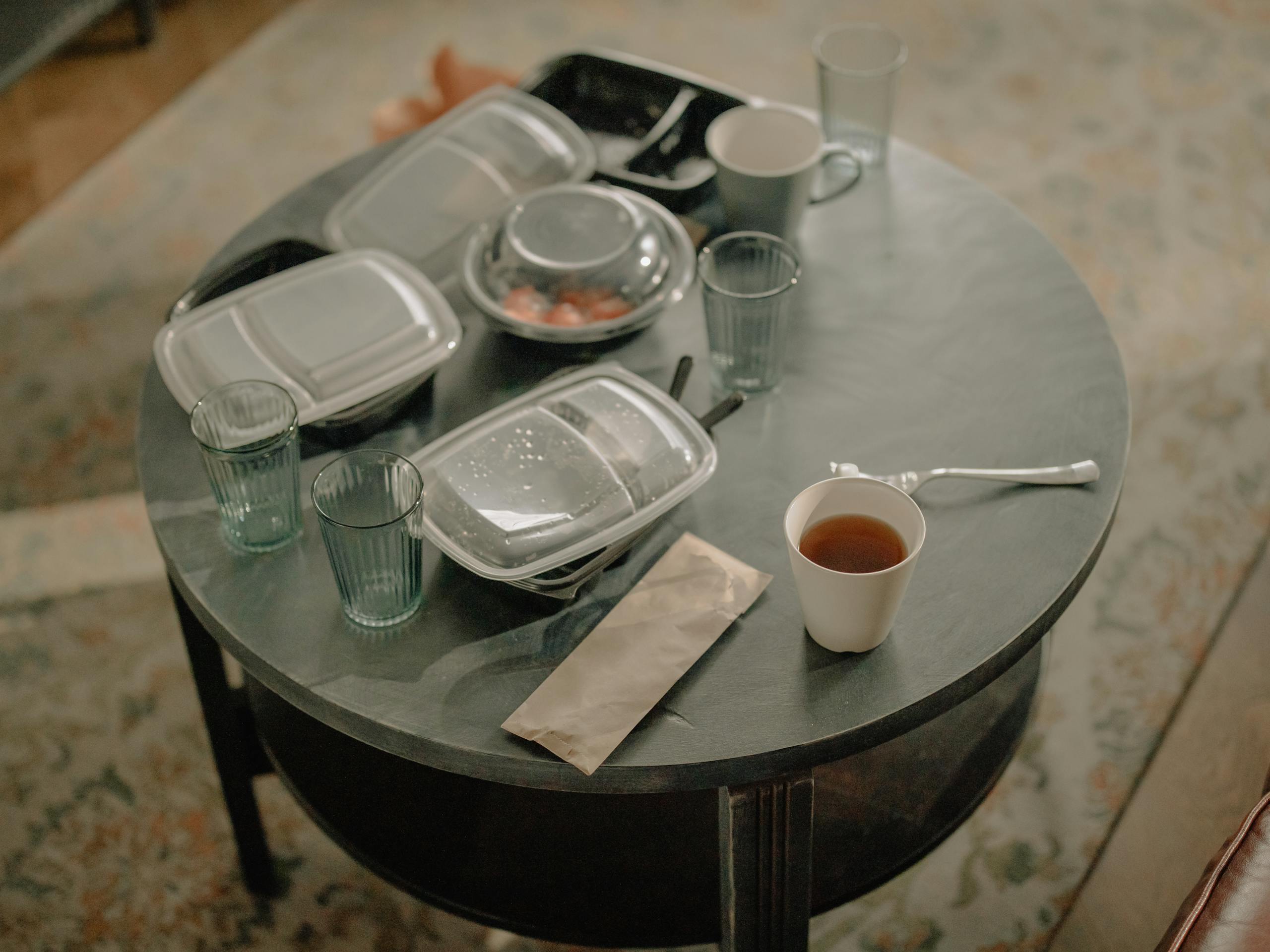
Many people leave food on the counter while they clean up, watch TV, talk after dinner, or tell themselves they will pack it away in a minute. That minute can quietly become two hours, especially during parties, holidays, or busy weeknights.
Perishable food should not be treated like kitchen decoration. If it has been sitting out too long, the safest choice may be to throw it away, even if it still smells fine. A container cannot rescue food that has already spent too much time in the danger zone.
Using Deep Containers for Hot Leftovers
A big, deep container may seem convenient when you are tired after dinner, but it can slow down cooling in the fridge. Thick layers of soup, pasta, rice, chili, or casserole can stay warm in the center much longer than the outside appears to be, giving bacteria more time to grow.
The better move is simple. Divide large batches into smaller, shallow containers so the food cools faster and more evenly. It may use more fridge space for a moment, but it protects the leftovers you actually wanted to enjoy later.
Microwaving Plastic Without Checking the Label
Plastic containers are convenient, but not every plastic container belongs in the microwave. Some are meant only for storage, not for reheating, and heat can damage them or increase the risk of unwanted chemicals entering food.
Before microwaving, check for a microwave-safe label or symbol. When in doubt, move the food to a glass or ceramic dish designed for heat. Convenience is nice, but it is not worth reheating dinner in a container that was never built for the job.
Reusing Takeout Containers as They Last Forever
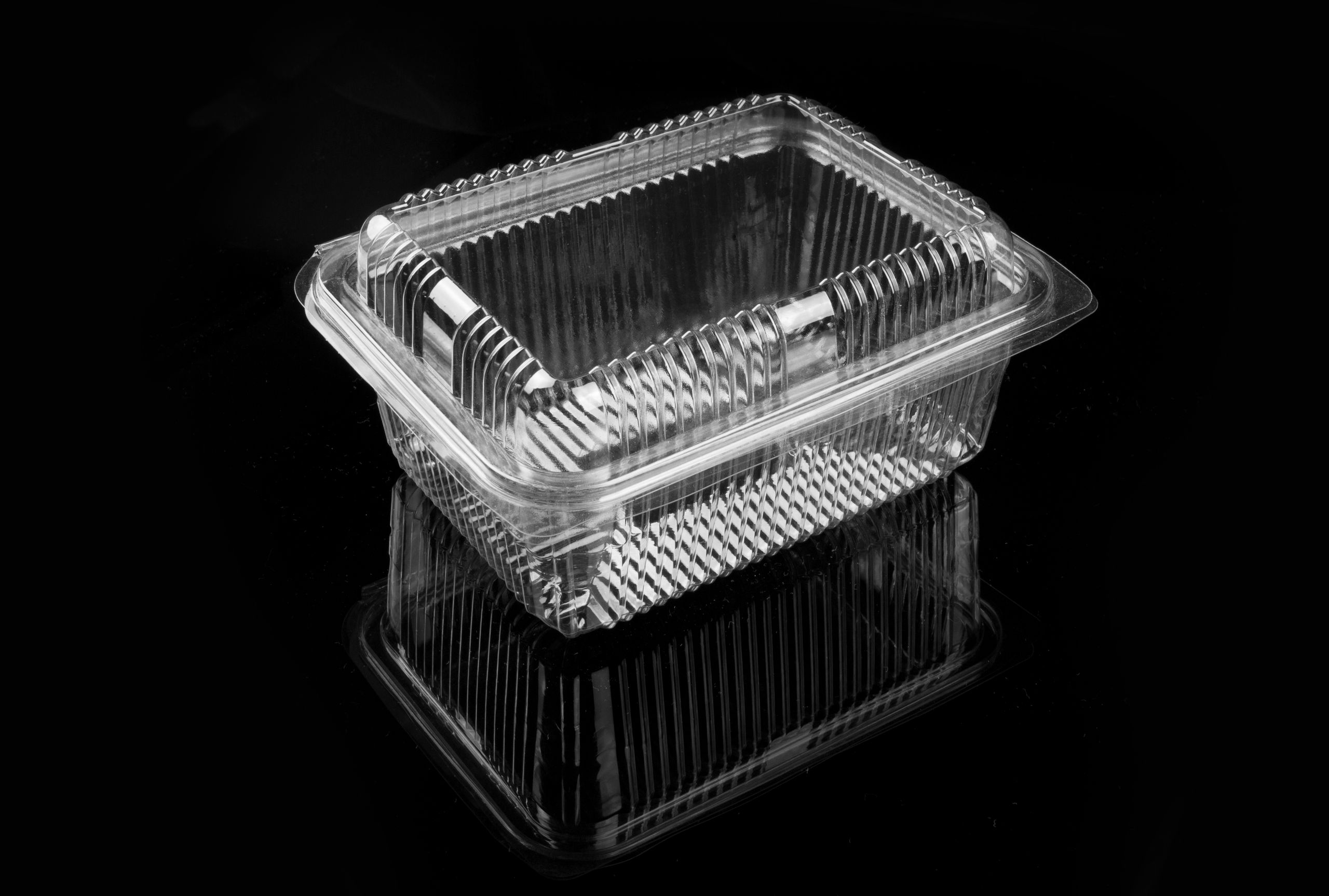
Takeout containers feel useful because they are already there, already free, and already the right size for leftovers. The problem is that many disposable containers are not designed for repeated washing, freezing, microwaving, or long-term storage.
Over time, they can warp, crack, stain, hold odors, or stop sealing properly. Use them once or twice for simple cold storage if they are still sturdy, but do not treat every flimsy takeout box like a permanent kitchen tool. Your leftovers deserve better than a tired container with a weak lid.
Ignoring Cracks, Stains, and Warped Lids
A cracked container may look harmless, but tiny grooves can hold odors, grease, and food residue even after washing. Warped lids can also stop sealing tightly, letting air in and making food dry out faster or absorb smells from the fridge.
Stains alone are not always dangerous, but they can be a sign that the container has been through a lot. If a container smells bad after washing, has deep scratches, or no longer closes well, retire it. Keeping damaged containers can cost more in wasted food than replacing them.
Storing Raw Meat Too Close to Ready-to-Eat Food
Raw meat, poultry, and seafood need careful storage because their juices can spread bacteria to foods that will not be cooked again. A loose container, leaky bag, or poorly placed package can turn the fridge into a cross-contamination problem.
Keep raw meat sealed tightly and stored on the lowest shelf, away from cooked food, fruit, salads, and leftovers. If you use a reusable container for raw meat, wash it thoroughly with hot soapy water before using it for anything else. One careless drip can ruin more than dinner.
Forgetting to Label Leftovers Before They Become Mystery Meals
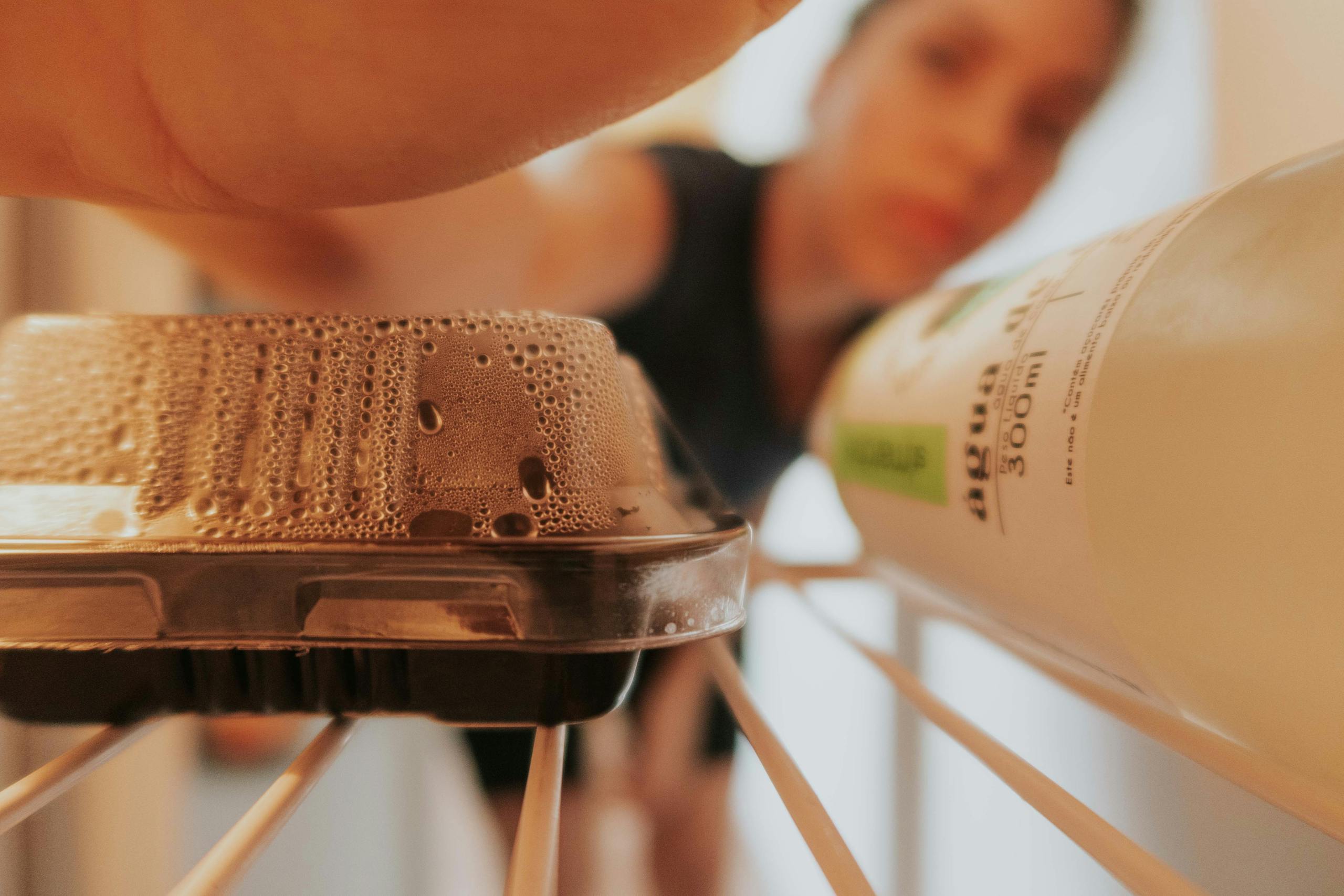
The fridge has a way of turning leftovers into unidentified objects. What looked obvious on Monday can look suspicious by Thursday, especially when sauce, soup, rice, and chopped vegetables all start living in similar containers.
A small label can save money and prevent risky guessing. Write the date and the food name before storing it. If you cannot remember when you made it, that is already a sign that the container has been hiding in the fridge too long.
Stacking Containers So Food Cannot Cool Properly
A neat stack of containers can make the fridge look organized, but stacking hot or warm leftovers too tightly can trap heat. That slows cooling and can keep food warmer for longer than you realize, especially after a big meal prep session.
Give warm containers a little space so cold air can move around them. Once they are fully chilled, you can stack them more tightly. The goal is not just a pretty fridge. The goal is food that cools fast, stays safe, and still tastes good when you open it later.
Using Loose Covers Instead of Airtight Lids
Foil, plastic wrap, and loosely balanced lids may feel good enough when you are rushing, but they do not always protect food well. Air exposure can dry out leftovers, spread odors, and cause food to spoil faster than it should.
Airtight containers are better for most leftovers because they help preserve texture and prevent odors. They also help keep your fridge cleaner and more organized. If a lid does not seal, the container is not doing what you think it is.
Overfilling Containers Before Freezing
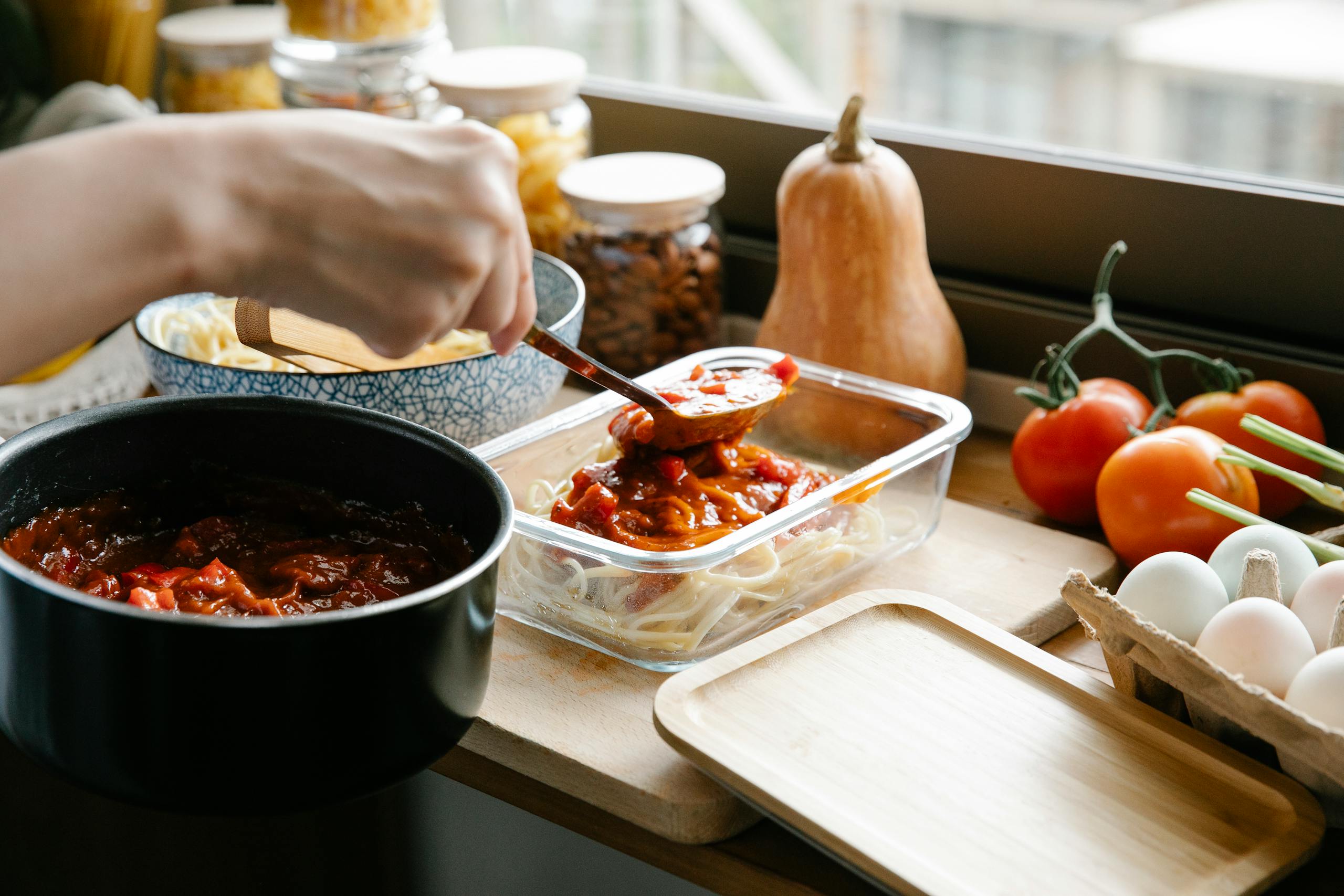
Freezing leftovers is smart, but overfilling containers can create problems. Food expands as it freezes, and a container packed to the top may crack, pop open, or leak into the freezer. That creates mess, waste, and freezer-burned food.
Leave a little space at the top before freezing soups, sauces, stews, and cooked grains. Use freezer-safe containers and close them tightly. A little breathing room can save you from chipped lids, icy spills, and sad leftovers that taste like freezer air.
Final Thought
Food containers seem boring until they start costing you money, flavor, and safety. The wrong container choice can turn good leftovers into soggy lunches, freezer-burned dinners, mystery meals, or food you end up throwing away because you no longer trust it.
The fix is not complicated. Use shallow containers for large batches, refrigerate food promptly, label leftovers, avoid damaged plastic, check for microwave-safe markings, and give your fridge enough space to cool food properly.
A good container should protect your food, not create another kitchen problem. The smartest leftovers are not just stored; they are used. They are stored with enough care to be worth eating later.