10 Painful Signs Someone Is Terrified You’ll See the Real Them
Some people do not hide because they are cold. They hide because being fully known feels dangerous. They have learned to polish, perform, laugh, dodge, and disappear before anyone gets close enough to notice the bruised parts of their story.
This kind of fear can make relationships confusing. One day, they feel warm, present, and emotionally available, then the next day, they act like closeness is a trap. The truth is often quieter than rejection. They may care deeply, but they are terrified that honesty will cost them the connection they secretly want.
They Keep Every Conversation Safely Shallow

When someone is afraid of being seen, they often become masters of small talk. They can talk about movies, work, food, gossip, weekend plans, and random jokes for hours, but the moment the discussion turns personal, the emotional door shuts. They are present, but only on the surface. This keeps them likable without making them vulnerable, which feels safer than admitting what they actually think, fear, regret, or desire.
They Change the Subject When Feelings Come Up
A person who fears exposure may dodge emotional questions with impressive speed. Ask how they really feel, and suddenly they remember a funny story, a pending errand, or a completely unrelated topic. This is not always manipulation. Sometimes panic wears a casual outfit. Deep questions make them feel cornered because honesty might reveal insecurity, shame, longing, jealousy, grief, or need, and those emotions feel too risky to place in someone else’s hands.
They Try Too Hard to Look Unbothered
The more afraid someone is of being known, the more they may act as if nothing touches them. They laugh off disappointment, minimize pain, and pretend they are fine even when their mood says otherwise. This performance can look like confidence from a distance, but up close, it often feels stiff and rehearsed. They want to seem easy, strong, and low maintenance because they fear their real emotions might make them look needy, dramatic, or difficult to love.
They Present a Perfect Version of Themselves
Some people hide behind perfection because flaws feel like evidence against them. They carefully manage how they speak, dress, post, respond, and behave, hoping you will admire the polished version and never ask about the person underneath. They may seem charming, organized, and emotionally composed, but the perfection can feel oddly airless. Real connection needs a little mess. When someone refuses to show any cracks, it may mean they believe one wrong detail could make you leave.
They Avoid Talking About Their Past

The past can feel like a locked room for someone who fears judgment. They may skip childhood stories, former relationships, family wounds, old mistakes, or painful seasons because those details feel too revealing. They do not want you connecting dots they are still trying to erase. This silence can create distance because the past explains so much about how people love, trust, defend themselves, and react under pressure. When someone completely hides it, they are often protecting an old injury.
They Pull Away Right After Intimacy
One of the most painful signs is the sudden retreat after a meaningful moment. They open up, share something tender, enjoy real closeness, then become distant, distracted, or cold afterward. This push-and-pull can make you question what you did wrong, but often the closeness itself scared them. Being seen felt good for a moment, then terrifying afterward. So they create space to regain control before the relationship starts demanding more honesty than they feel ready to give.
They Use Humor to Escape Vulnerability
Humor can be beautiful, but it can also become armor. Some people joke whenever the mood gets serious because laughter gives them an out. They turn pain into punchlines, insecurity into sarcasm, and affection into teasing because sincerity feels too exposed. Everyone laughs, but no one gets closer. Over time, that constant joking can feel lonely because you sense there is something real beneath it, yet every attempt to reach it is covered with another clever line.
They Struggle to Accept Kindness
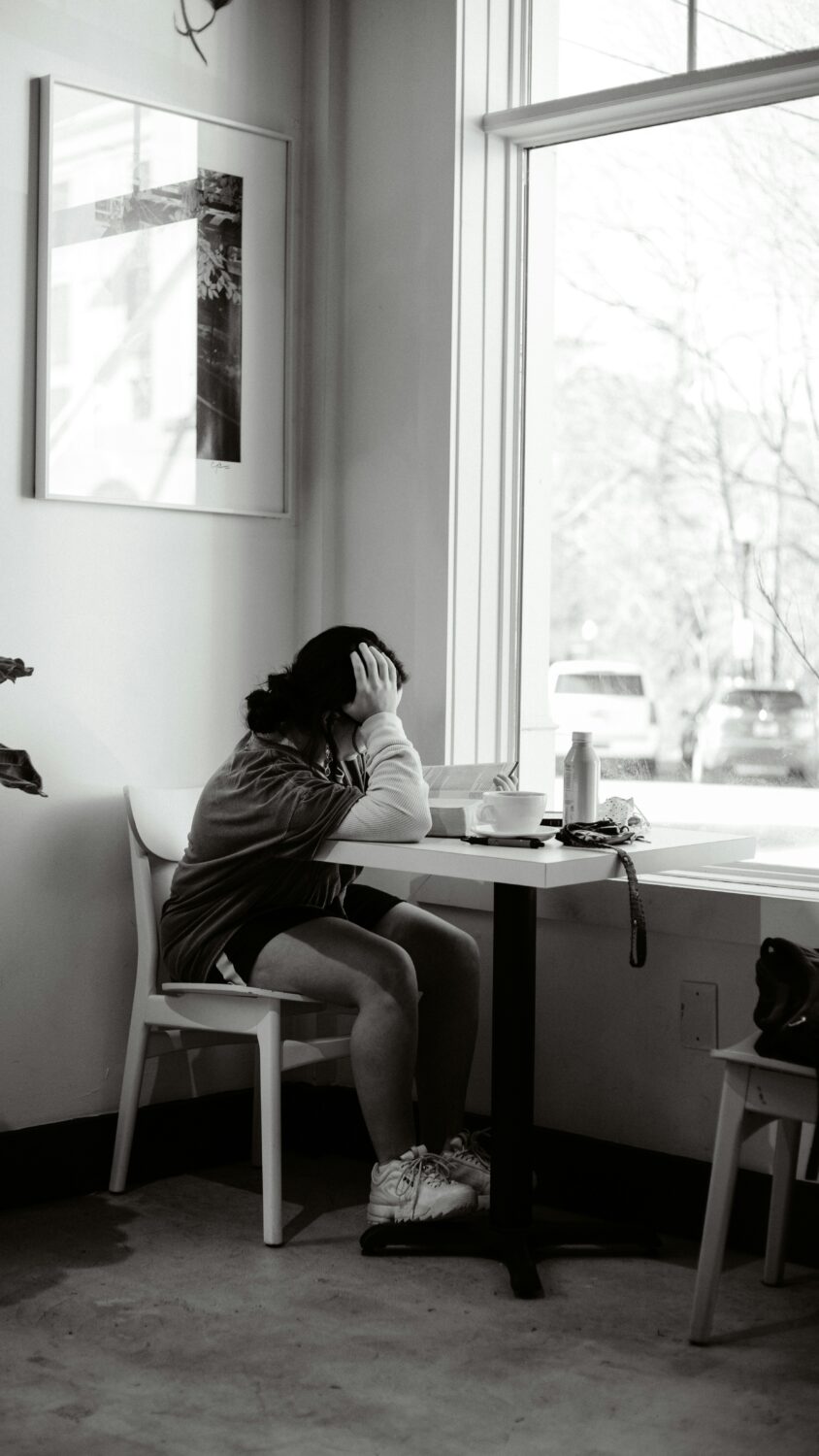
People who fear being truly seen often struggle when someone treats them gently. Compliments make them uncomfortable. Support makes them suspicious. Affection makes them search for hidden motives. They may brush off praise, reject help, or make self-deprecating comments because kindness clashes with the harsh story they tell themselves privately. When someone does not believe they are worthy of care, receiving love can feel more frightening than being ignored. It asks them to trust a version of themselves they do not yet fully believe in.
They Test Your Reactions in Small Ways
Fearful people may reveal tiny pieces of themselves just to see what you do with them. They may share a small insecurity, admit a minor flaw, cancel plans, express a need, or show a difficult mood, then quietly watch your response. These tests are not always obvious. They are looking for proof that honesty will not lead to rejection. If you respond with cruelty, mockery, impatience, or judgment, they may disappear deeper into hiding and convince themselves they were right to stay guarded.
They Love Quietly Instead of Openly

Some people care deeply, but they struggle to express it in bold, direct ways. They may show love through small favors, quiet loyalty, practical help, remembering details, or staying nearby when things get hard. What they avoid are grand declarations, emotional speeches, and vulnerable admissions. Saying exactly what they feel makes them feel exposed. So their love comes softly, indirectly, and sometimes confusingly. It is real, but it may still leave you craving clarity if they never learn to speak from the heart.
Conclusion
When someone is afraid, you will see the real them; their behavior can feel inconsistent, frustrating, and deeply confusing. They may want closeness, yet fear the very honesty that closeness requires. That does not mean you should excuse every mixed signal or carry the whole relationship alone. Compassion matters, but so do clarity, boundaries, and emotional safety.
The real test is not how perfectly someone hides. It is whether they are willing to slowly become more honest, more present, and more responsible with their heart. Everyone has guarded places, but love cannot grow forever behind locked doors. At some point, the mask has to come off, the performance has to end, and the person underneath has to trust that being real is worth the risk.