Vladimir Putin’s Weakest Point: The Growing Pressures Testing Russia’s Powerful Leader
For more than 20 years, Vladimir Putin has carefully built an image of a leader who cannot be shaken. He has survived political battles, Western sanctions, diplomatic isolation, and a costly war in Ukraine while maintaining control over Russia’s powerful state machinery.
But even the strongest political systems face pressure points. Behind the Kremlin’s display of confidence are growing challenges that could test Putin’s ability to preserve the stability he has spent decades creating.
The question of Vladimir Putin’s weakest point is not about a single event or one opponent capable of bringing down his rule overnight. Russia remains a nuclear power with a powerful military, extensive security networks, and a government structure designed to protect the Kremlin’s influence.
Instead, the pressure is building across several fronts at once. The war in Ukraine continues to demand enormous resources, the economy faces long term strain, demographic problems are deepening, and questions about elite loyalty and public confidence remain part of the broader challenge.
Putin’s greatest vulnerability may not be a dramatic political collapse. It may be the slow accumulation of problems that become harder to manage over time.
The Cost of the War in Ukraine
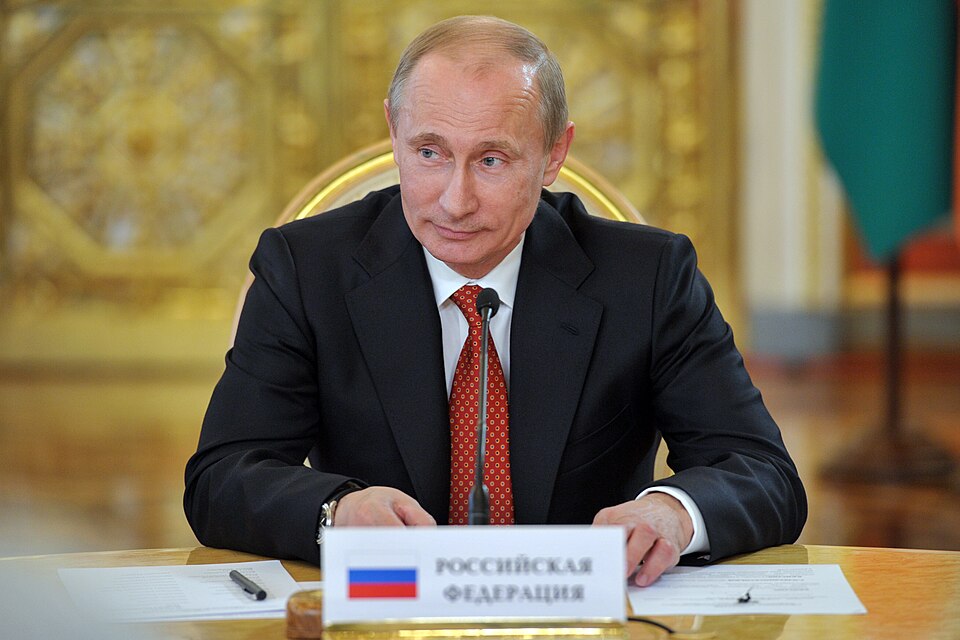
The war in Ukraine has become one of the biggest tests of Putin’s leadership because it has created enormous military, economic, and political demands.
When Russia launched its full-scale invasion of Ukraine in 2022, the Kremlin expected a faster campaign. Instead, the conflict turned into a prolonged war requiring massive resources, military personnel, and financial commitment.
Russia has continued sustaining its military operations, but the costs have increased. Defense spending has placed pressure on other parts of the economy, while sanctions and restrictions on technology access have created long-term challenges.
Military losses and recruitment difficulties have also become sensitive issues. Reports indicate that Russia has faced growing pressure to maintain troop levels as casualties continue and voluntary enlistment becomes more difficult.
For Putin, the challenge is not only winning battles. It is maintaining public support for a conflict that has lasted much longer and cost far more than many Russians initially expected.
Economic Pressure Could Become a Long-Term Problem
Russia’s economy has proven more resilient than many predicted, but experts argue that resilience does not mean there are no weaknesses.
After Western countries imposed sanctions following the invasion of Ukraine, many predicted a severe economic collapse. Instead, Russia adapted through increased trade with non-Western partners, government spending, and changes to its economy.
However, analysts have warned that the war economy has created new problems. Heavy military spending can support certain industries while putting pressure on civilian sectors, inflation, labor availability, and government finances.
Energy revenues remain critical for Russia, but fluctuations in global energy markets create uncertainty. A prolonged period of lower revenues could make it harder for the Kremlin to maintain both military spending and domestic programs.
A major weakness for Putin is that Russia’s economic model is increasingly tied to the continuation of wartime spending.
Maintaining Public Support is a Constant Challenge
One of Putin’s greatest strengths has always been controlling the political environment, but public confidence remains an important factor in maintaining power.
The Kremlin has invested heavily in controlling information, limiting opposition activity, and shaping public narratives about Russia’s role in the world.
However, signs of dissatisfaction can still emerge, especially when economic problems affect daily life or when military costs become more visible.
Recent years have seen continued pressure on opposition figures and anti-war voices inside Russia. Political opponents and critics have faced legal challenges, restrictions, and exile.
While Putin’s approval ratings remain strong in many official surveys, analysts caution that public support in authoritarian systems can be difficult to measure because citizens may be reluctant to express criticism openly.
The Kremlin’s challenge is maintaining the perception of stability while managing frustration that may exist beneath the surface.
Elite Loyalty Could Be One of Putin’s Biggest Concerns
For many authoritarian leaders, the greatest threat does not always come from ordinary citizens. It can come from powerful figures inside the system.
Putin’s political structure depends heavily on loyalty from government officials, security services, military leaders, and influential economic figures.
The Wagner Group rebellion in 2023 exposed tensions within Russia’s power structure and raised questions about the stability of the networks supporting Putin’s rule.
Although the rebellion did not remove Putin from power, it demonstrated that internal conflicts among powerful groups could create unexpected challenges.
A leader who depends on loyalty must constantly manage relationships among competing interests. The longer a crisis continues, the harder it can become to keep every powerful group satisfied.
Russia’s Demographic Challenge
Beyond politics and war, Russia faces a deeper problem that cannot be solved quickly: demographics. Russia has struggled with population decline, aging demographics, and labor shortages for years.
The war in Ukraine has added additional pressure by affecting military-age populations and increasing demands on the workforce.
A shrinking workforce can create economic difficulties because fewer workers must support a larger aging population.
This challenge is not unique to Russia, but it creates additional pressure when combined with military commitments and economic restrictions.
For Putin, demographic problems represent a long-term challenge because they cannot be fixed through short-term political decisions.
The Information Battle and Control of the Narrative
Putin’s power has always depended partly on controlling how Russians understand events. The Kremlin has traditionally relied on state media and political messaging to shape public perceptions of Russia’s actions.
However, the modern information environment is more difficult to control completely. Social media, private communication networks, and international reporting allow alternative viewpoints to reach some Russians.
The challenge for the Kremlin is not simply preventing criticism. It is maintaining confidence in the official narrative during a prolonged and expensive conflict.
A government can control television broadcasts, but controlling public conversations completely is far more difficult.
Why Putin’s Weakness May Also Be His Strength
The same system that creates vulnerabilities has also helped Putin remain in power. Russia’s centralized political structure allows the Kremlin to respond quickly, suppress opposition, and maintain control over institutions.
Some analysts warn against assuming that internal pressure will automatically lead to political collapse. Russia’s security services, political controls, and loyal institutions remain powerful tools for maintaining stability.
This means Putin’s weaknesses do not necessarily represent an immediate threat to his leadership. Instead, they represent pressure points that could become more significant if several challenges happen at the same time.
The Biggest Threat May Be Time
For Vladimir Putin, time may be the most difficult opponent. Russia has shown the ability to absorb pressure and continue operating despite international challenges. But prolonged wars, economic strain, demographic problems, and internal tensions can gradually weaken even powerful systems.
The question is not whether Putin has weaknesses. Every political leader does. The bigger question is whether those weaknesses become serious enough to challenge the stability of the system he built.
Putin’s greatest vulnerability may not be one single crisis. It may be the accumulation of smaller pressures that slowly test the limits of Russia’s political, economic, and military strength.