Gordie Howe International Bridge Became The Center Of A U.S.-Canada Power Struggle Before Its Long-Awaited Opening
After months of threats, delayed celebrations and tense negotiations, the Gordie Howe International Bridge finally has an opening date. The six-lane crossing between Detroit, Michigan, and Windsor, Ontario, will open to traffic on July 27. The announcement followed a new agreement involving Canada, Michigan and the Trump administration, ending a dispute that had pushed the completed bridge into diplomatic limbo. Trump quickly framed the breakthrough as a negotiating victory.
He said the original arrangement had been unacceptable and described the revised terms as “great and fair.” The deal gives Washington a greater role in toll decisions while directing some bridge profits toward regional economic development.
A finished bridge trapped in a political battle
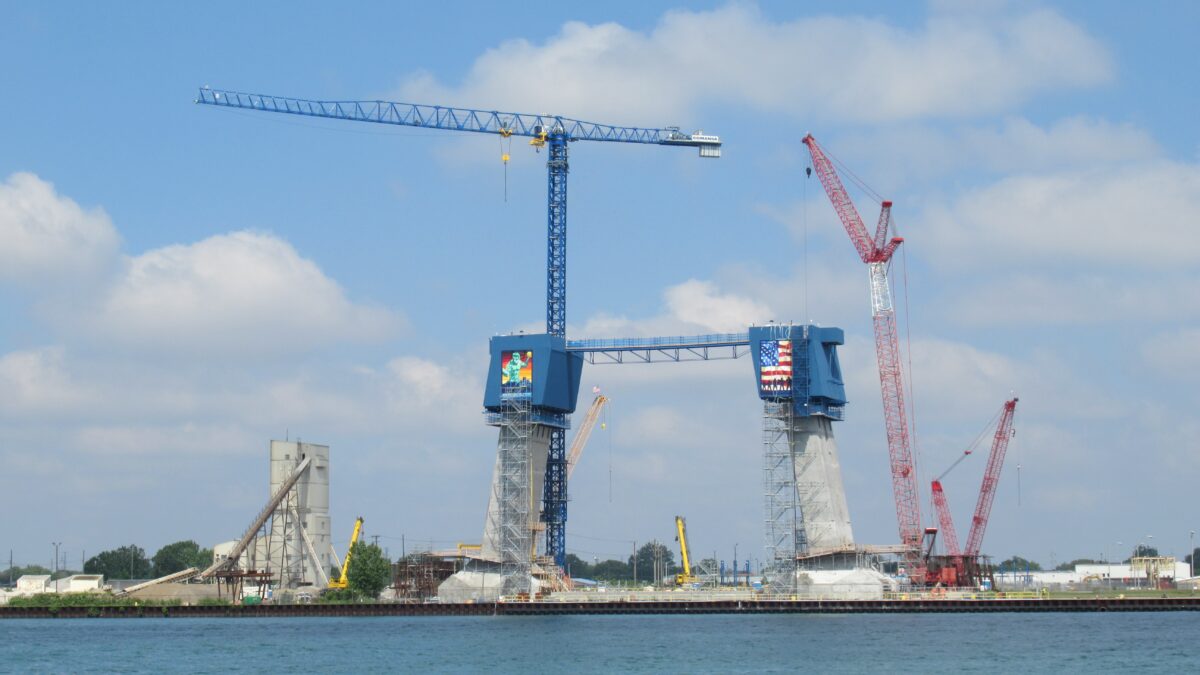
The Gordie Howe International Bridge was supposed to represent seamless cooperation between two close trading partners. Instead, its final journey toward opening became an example of how quickly a massive infrastructure project can be pulled into a wider political fight.
Construction began in 2018, with Canada financing the multibillion-dollar project after the United States declined to contribute. Although the bridge is jointly owned by Canada and Michigan, toll revenue was expected to help Canada recover its investment over several decades. That financial arrangement became a target for Trump, who argued that the United States was not receiving a fair return. Trump threatened to prevent the bridge from opening unless Canada accepted new conditions. He tied the dispute to broader complaints involving Canadian dairy tariffs, restrictions affecting some American alcoholic products and Canada’s trade discussions with China.
A ribbon-cutting planned for June was later postponed while the two countries worked through what officials called outstanding issues. Canadian Prime Minister Mark Carney said the delay came at the Trump administration’s request, leaving the completed crossing waiting for political approval. The agreement gives Washington more influence.
The official announcement describes cooperative measures involving toll governance, transparency, and investment in communities surrounding the crossing. It also creates a 15-year economic development fund linked to a portion of profits from bridge operations. Detroit Bridge Authority will now collaborate with the U.S. government on certain toll-rate adjustments, particularly those not driven by normal market conditions.
A source familiar with the negotiations said the United States would receive 50 percent of toll revenue and could veto toll increases exceeding 10 percent above current rates. Michigan Republican Senate candidate Mike Rogers praised the agreement, arguing that Washington had moved from receiving no revenue to securing a significant financial benefit. The revised arrangement leaves unanswered questions about Canada’s repayment schedule. The bridge was financed with the expectation that tolls would recover construction costs over roughly 30 years. Officials have not fully explained how revenue-sharing with the United States could affect that timeline.
For Trump, the outcome provides another opportunity to promote his pressure-driven approach to negotiations. Supporters can argue that his threat produced better financial terms. Critics may counter that political intervention delayed a bridge that was already completed and ready to support regional trade.
Why the bridge matters far beyond politics
The dispute centered on money, leverage, and ownership, but the bridge was designed to solve an urgent economic problem.
The Windsor-Detroit corridor is North America’s busiest international land border crossing, with hundreds of millions of dollars in goods moving through it every day. The new route will connect Interstate 75 in Michigan directly with Highway 401 in Ontario, strengthening a transportation corridor vital to manufacturing, agriculture and continental supply chains. A 1.5-mile cable-stayed bridge carries six traffic lanes across the Detroit River. Its 853-meter main span is the longest cable-stayed span in North America. Modern ports of entry on both sides include advanced screening and border-management technology intended to move freight and travelers more efficiently. is expected to reduce pressure on the nearly century-old Ambassador Bridge and the Detroit-Windsor Tunnel. The Ambassador Bridge remains the region’s dominant commercial route, carrying auto parts, agricultural products and other goods that support closely connected American and Canadian industries.
Commercial trucks transported approximately $126 billion in trade through the existing freight crossing in 2023. A University of Windsor study estimated that the Gordie Howe Bridge could cut about 20 minutes from truck journeys and save the freight industry around $2.3 billion over 30 years. could be especially important for automobile plants that depend on parts arriving at carefully scheduled times. Even short border delays can interrupt production, increase transportation expenses, and create costly supply chain problems.
The bridge becomes a Michigan campaign weapon.
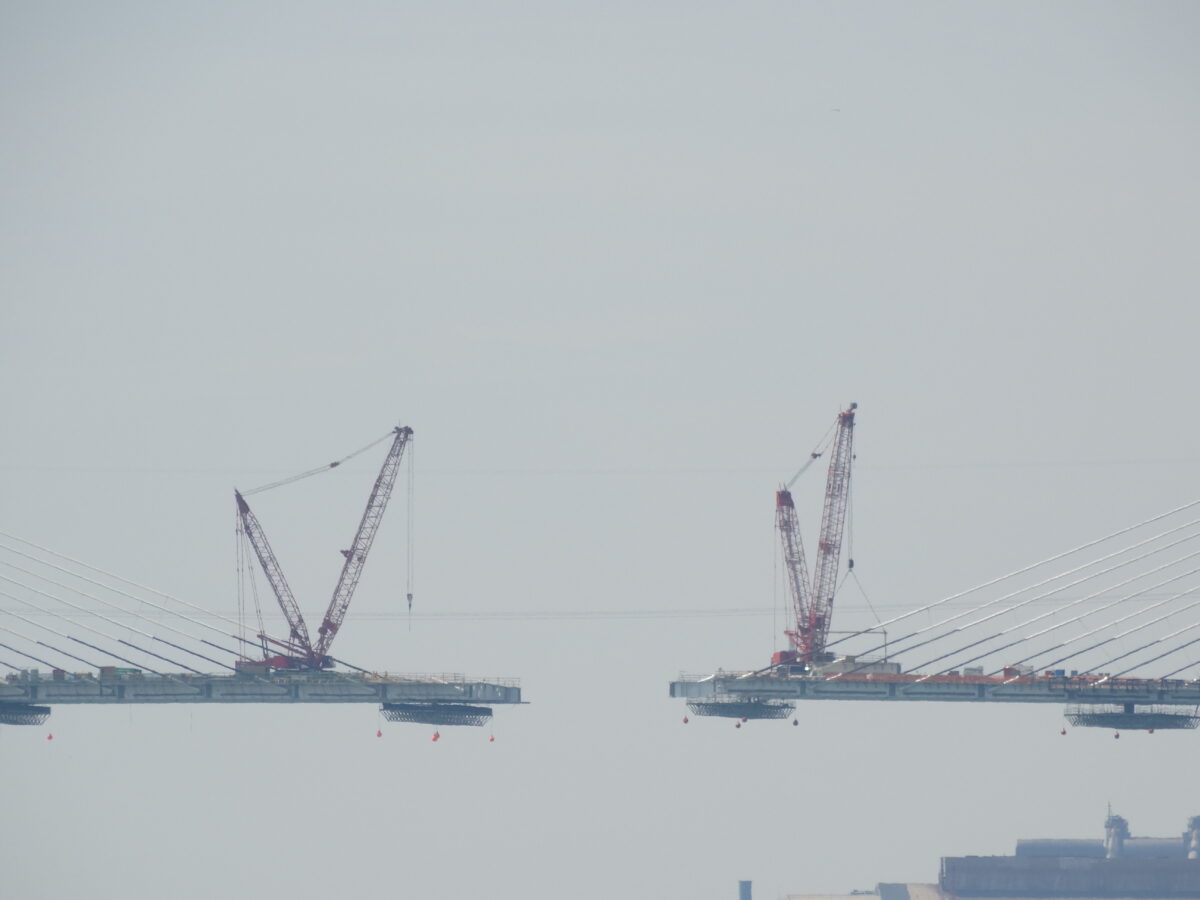
The delayed opening also spilled into Michigan’s closely watched Senate race, transforming the bridge into a debate over Trump’s political and economic strategy.
Republicans portrayed the revised agreement as evidence that the president forced Canada to improve an unfavorable arrangement. Democrats argued that the bridge was already built, jointly owned and positioned to benefit Michigan before Trump’s demands stalled its opening.
Michigan Gov. Gretchen Whitmer welcomed the July 27 opening and described the project as proof of the enduring partnership between Michigan and Canada. She highlighted its potential to improve auto production, lower costs, ease traffic, and support better-paying jobs across the region. picture became more complicated because of the Moroun family, owners of the competing Ambassador Bridge. Matthew Moroun donated $1 million to a Trump-aligned political committee earlier in 2026 and met with Commerce Secretary Howard Lutnick while the dispute unfolded. The Ambassador Bridge’s owners had fought the public bridge project for years. Finally opens
For Detroit and Windsor, the end of the standoff brings relief. The neighboring cities share deep commercial, cultural, and family ties, and the new crossing will provide another route for commuters, tourists, and businesses that depend on a functioning border.
The Gordie Howe International Bridge was built as a physical symbol of partnership. Its delayed debut instead demonstrated how vulnerable even enormous public projects can become when trade tensions, election-year politics, and private business interests collide.
On July 27, vehicles are expected to begin crossing at last. The arguments surrounding the deal will continue, but the bridge can finally start doing what it was designed to do: move people, goods, and two closely connected economies forward.