Wes Moore Warns Trump Could Pressure 2026 Midterms as Governors Defend State Control of Elections
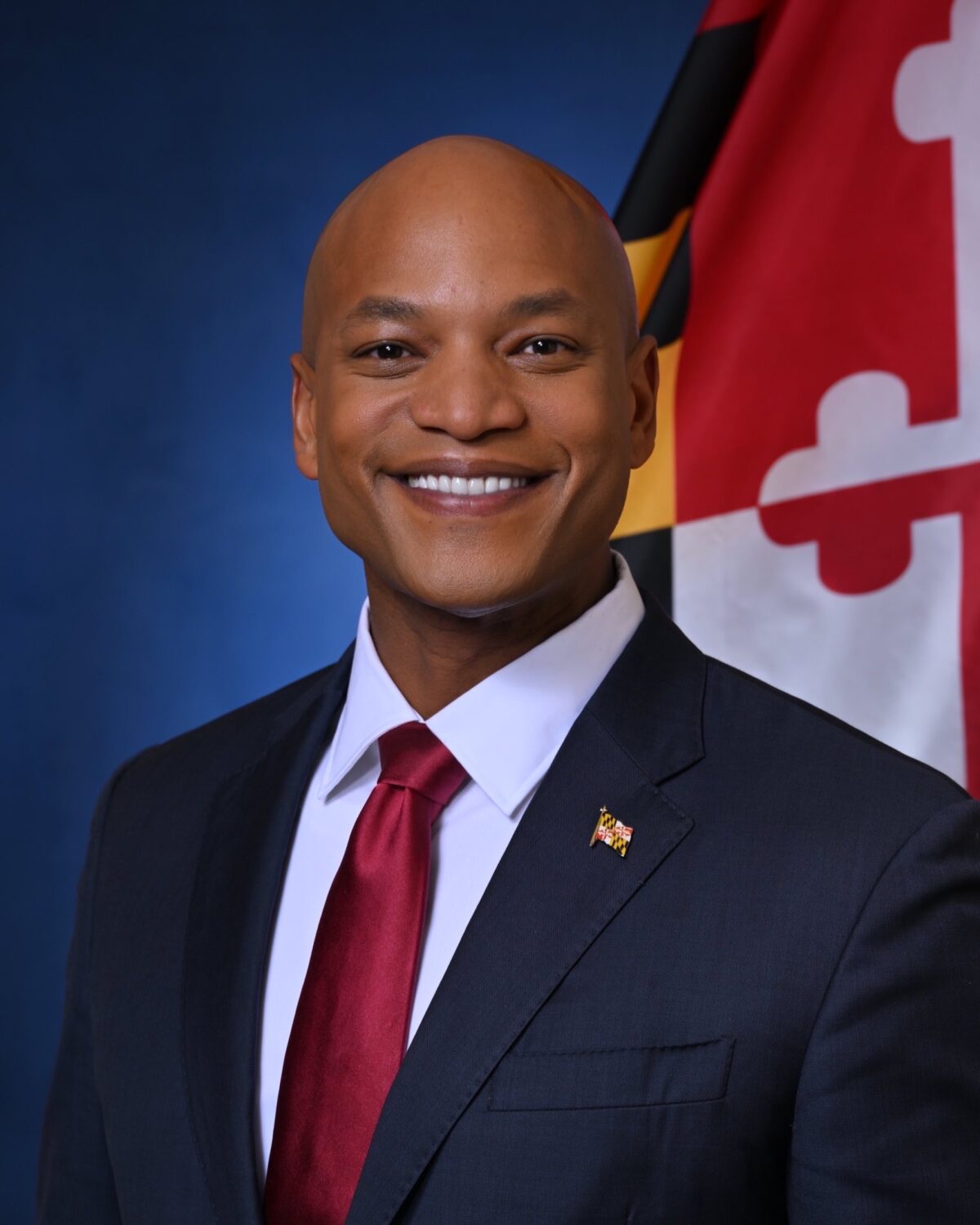
A ceremonial transfer of leadership in Oklahoma City placed Maryland Gov. Wes Moore at the helm of the nation’s bipartisan governors association. It also gave him a national platform to deliver one of his most consequential warnings yet.
Moore said he is “very concerned” that President Donald Trump could use federal authority to interfere with the 2026 midterm elections. His remarks, made during an interview with The Associated Press, focused on disputes over mail voting, federal demands for state voter information and concerns about federal personnel appearing near polling locations.
The governor argues that recent federal actions and public statements require governors to prepare early and defend their authority over state-administered elections.
“I don’t think that the president is trying to hide the ball on this,” Moore told the AP.
A Warning From the New Governors Association Chair
Moore’s warning carries additional weight because he has just become chair of the National Governors Association, an organization representing governors from all 50 states and five U.S. territories. The NGA confirmed Moore’s appointment during its 2026 Summer Meeting, with Indiana Gov. Mike Braun elected vice chair and chair-elect.
The association is bipartisan, and its work usually concentrates on practical state issues rather than national campaign combat. Moore must now balance his criticism of the Trump administration with his responsibility to work alongside Republican governors on workforce development, health care, infrastructure and other shared priorities.
Election administration is fundamentally a state responsibility with an important congressional role. The Elections Clause of the Constitution provides that state legislatures prescribe the times, places and manner of congressional elections, while allowing Congress to make or alter those regulations.
Moore said the NGA can help ensure that states retain the ability to administer elections under that constitutional framework. His concern is not merely about which party wins in November. It is about how governors and state election officials respond to the federal actions he identified.
Voter Data Dispute Moves From Politics to Court
One source of tension is the Justice Department’s effort to obtain statewide voter registration records. The department has sued multiple states that declined to produce their full voter rolls, including Maryland, Moore’s home state.
In announcing litigation against Maryland and five other states in December 2025, the Justice Department said federal laws authorize the attorney general to inspect statewide registration lists. Assistant Attorney General Harmeet Dhillon said the requests were intended to promote accurate voter records and public confidence in election results.
The department expanded those lawsuits in 2026. By February, it said it had brought voter roll cases involving 29 states and the District of Columbia.
A May 2026 opinion from the Justice Department’s Office of Legal Counsel concluded that the department has authority to obtain the records and share them with parts of the Department of Homeland Security for specified law enforcement purposes. The legal opinion acknowledged that the effort was already facing significant scrutiny in court.
The Trump administration describes its collection of voter data as lawful election integrity enforcement. Moore and other state officials view the federal campaign as a potential intrusion into state-run election systems. The disputed legal questions are now before federal courts.
Moore Raises Concerns About Federal Agents at Polling Places

Moore also raised the possibility that federal troops or agents could appear around polling locations during the midterm elections. He included that concern while discussing the administration’s actions involving mail voting and voter information. Moore argued that governors have a responsibility to protect the authority of states to administer elections under the Constitution.
The issue has drawn attention beyond Maryland as state election officials prepare for the November vote. Questions about federal activity near polling sites have become part of a broader discussion involving election security, federal enforcement powers and the responsibilities of state governments. Moore’s remarks placed that debate before the National Governors Association as he began his term as chair.
The Department of Homeland Security previously rejected suggestions that ICE agents would be stationed at polling locations. “Any suggestion that ICE will be present at any polling location is simply not true,” a DHS election integrity official said during a February briefing with state election officials, Reuters reported.
A Homeland Security official also said immigration agents could respond if an active public safety threat endangered a polling location. The official added that agents could appear as part of a targeted enforcement action. Moore’s warning and the department’s response now stand as opposing positions in a larger election year debate over federal involvement near state-administered voting sites.
Service Agenda Collides With Election Year Reality
Moore assumed the NGA chairmanship with a message centered on cooperation and national service. His Service United campaign seeks to expand paid state service programs that connect Americans with training, credentials and careers in fields such as education, health care and infrastructure.
The NGA’s Service United plan sets a long-term goal of engaging one million Americans in service annually within a decade. The project uses Maryland’s Service Year Option as a model and is supported by $10 million in aligned philanthropic funding.
“Service will save us as a society because I know service saved me,” Moore told the AP. The remark reflects the personal story he frequently brings to public life, including his military service and his description of structure, mentorship and responsibility as forces that redirected his life.
Republican governors have expressed interest in parts of the workforce agenda. Oklahoma Gov. Kevin Stitt, for example, praised its emphasis on apprenticeships and opportunities for young people to gain experience outside traditional classrooms.
That cooperation makes Moore’s election warning especially significant. He is asking Republican governors to work with him on service and employment while urging the association to defend state election authority in its dealings with Washington.
The Test Will Come Before Election Day
The November 3 midterms will determine control of Congress while voters also choose governors and other state and local officials. With the stakes so high, disagreements over voting procedures could become national tests of institutional power.
Moore has moved those concerns into the governors’ association at the beginning of his term, giving state leaders time to discuss polling place security, voter privacy and their response to disputed federal demands. Whether governors can agree on those questions across party lines remains uncertain.
For Moore, the challenge is larger than delivering a warning. He must show that a bipartisan organization can protect the lawful responsibilities of states while maintaining cooperation among governors with competing political interests.
The most important safeguard will not be a forceful quotation from either side. It will be a transparent election in which lawful federal oversight, state authority and voters’ rights are respected. If governors can defend that balance together, Moore’s appeal to service may find its most demanding test not in a new employment program, but at the ballot box itself.