Small Kitchen, Big Flavor: Smart Cooking Tips for Limited Spaces
A small kitchen doesn’t have to limit creativity, variety, or meal quality. With thoughtful organization, efficient tools, and smart cooking habits, even the smallest cooking area can become a practical and enjoyable place to create flavorful dishes. Limited counter space or compact storage may require a different approach, but it can also encourage better planning and more intentional cooking.
Whether you live in a small apartment, have a compact home kitchen, or want to use your space better, focus on efficiency. A well-designed small kitchen is not about having everything. It is about making the most of what you have.
Plan Before You Cook

One of the simplest ways to improve cooking in a small kitchen is to prepare before turning on the stove. In a limited space, clutter can quickly make cooking feel stressful. Taking a few minutes to organize ingredients, tools, and cooking steps can make the entire process smoother.
Start by reading the recipe carefully and gathering the ingredients you need. Measure spices, wash vegetables, and prepare basic components before you start cooking. This method, often called mise en place, helps reduce unnecessary movement and keeps your workspace organized.
Meal planning can also make a big difference. Preparing a few ingredients you can use in multiple meals saves time and reduces the need for extra storage. For example, you can use cooked grains, chopped vegetables, sauces, or roasted ingredients in different combinations throughout the week.
Use Every Available Space
In a small kitchen, every surface matters. Smart storage solutions can help create more room without making the area feel crowded.
Vertical storage is especially useful. Shelves, wall-mounted racks, and hanging organizers can keep frequently used items accessible while freeing up cabinets and counters. Storing items upward rather than outward allows you to use space that might otherwise go unused.
Inside cabinets, simple organizers can improve efficiency. Stackable shelves, drawer dividers, and containers can help prevent small items from getting lost. Keeping similar items together also makes it easier to find what you need quickly.
The space above cabinets, the sides of cupboards, and the inside of cabinet doors can offer extra storage opportunities. However, don’t overcrowd the kitchen. A small space works best when everything has a clear purpose and a designated place.
Related articles: 10-shocking-hidden-animal-ingredients-in-everyday-life/
Choose Multi-Purpose Kitchen Tools
A small kitchen benefits from tools that do more than one job. Instead of collecting many single-purpose gadgets, focus on versatile equipment that you will use regularly.
A good chef’s knife, a cutting board, a sturdy pan, a pot, and basic measuring tools can handle many everyday cooking tasks. A large skillet, for example, can be useful for frying, sautéing, simmering, and preparing one-pan meals.
Multi-purpose appliances can also help save space. If you regularly use certain cooking methods, choose appliances that match your habits rather than buying items that may sit unused. The goal is to reduce clutter while maintaining flexibility.
Before purchasing a new kitchen tool, consider whether it solves a real problem. In a small kitchen, every item takes up valuable space, so choosing carefully helps keep the environment functional.
Focus on Flavor, Not Equipment
Great food doesn’t depend on a large kitchen or expensive equipment. Flavor often comes from simple techniques and well-chosen ingredients.
Using herbs, spices, aromatics, and seasonings can transform basic ingredients into satisfying meals. Ingredients such as garlic, onions, ginger, fresh herbs, citrus, and spices can add depth without requiring complicated cooking methods.
Cooking techniques also play an important role. Browning ingredients, roasting vegetables, seasoning properly, and letting flavors develop during cooking can improve the final result. These methods require skill and attention rather than a large workspace.
A small kitchen can encourage creativity because it often requires cooks to think carefully about combinations and preparation methods. Simple meals can still be memorable when you handle ingredients well.
Keep Counters Clear
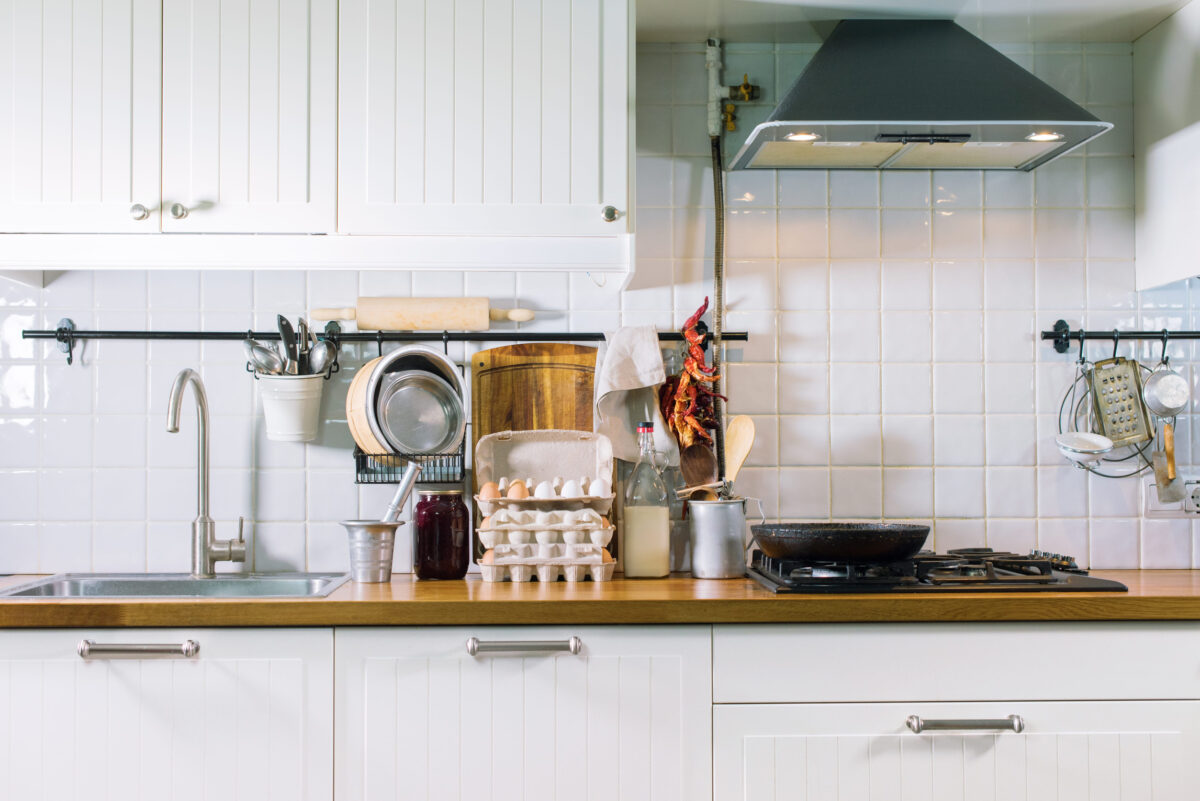
Counter space is one of the most valuable resources in a small kitchen. A clear workspace makes cooking easier and safer.
Keep only frequently used items on the counter. Store rarely used appliances to free up space for prep. After cooking, cleaning as you go can also prevent dishes and tools from taking over the available space.
A simple routine can help maintain order. Wash tools after use, return ingredients to their storage areas, and wipe surfaces regularly. These small habits make the kitchen more comfortable and ready for the next meal.
Make Small Kitchens Work for You
Cooking in a small kitchen requires organization, but it doesn’t have to mean sacrificing enjoyment. In many cases, smaller spaces encourage better habits. You may become more thoughtful about ingredients, more creative with recipes, and more aware of how your kitchen functions.
One useful approach is to create cooking zones. Even in a compact kitchen, you can organize areas for preparation, cooking, and cleaning. Keeping knives and cutting tools near the preparation area, storing spices where you use them, and placing cooking utensils close to the stove can reduce unnecessary steps.
Lighting can also affect how a small kitchen feels and functions. A well-lit workspace makes preparation easier and can make the room feel more open. Simple improvements, such as better task lighting, can increase comfort without requiring major changes.
Cook Smarter With Simple Habits
Small changes in daily cooking habits can have a major impact. Cooking larger portions and storing leftovers properly can reduce the amount of time spent preparing meals. Using the same ingredients in different ways can also help reduce waste.
For example, roasted vegetables can become part of a salad, a wrap filling, or a grain bowl. You can use a basic sauce with pasta, vegetables, or proteins. Thinking creatively about ingredients allows you to create variety without needing a large pantry.
It is also helpful to regularly review what you keep in your kitchen. Remove tools you no longer use and organize ingredients so you use older items first. A kitchen that contains only useful items is easier to manage and more enjoyable to cook in.
Conclusion
A small kitchen can produce big flavors when it is organized with purpose. The most important elements are not the size of the room or the number of appliances, but the choices you make within that space. Careful planning, smart storage, versatile tools, and attention to cooking techniques can help anyone prepare delicious meals in a compact kitchen.
Limited space does not have to be a disadvantage. With the right approach, a small kitchen can become an efficient, creative, and inspiring place to make great meals.
Other post you might like:
– the-fall-2026-kitchen-changes-that-can-make-your-home-feel-warmer-without-a-full-remodel/
– eight-kitchen-appliance-choices-that-could-date-your-kitchen-fast/
– kitchen-color-schemes-that-never-go-out-of-style/