Mike Lindell’s pillow giveaway case raises bigger questions about politics, business, and campaign law.
A free pillow giveaway may sound like a simple promotion. Still, a Minnesota courtroom is now examining whether political connections transformed the offer into something much more complicated: a possible campaign law violation.
A judge’s decision finding probable cause in a case involving MyPillow founder Mike Lindell has placed a spotlight on the increasingly blurred line between business activity, political advocacy, and election regulations. The ruling does not mean Lindell has been found guilty. Still, it allows the case to continue and raises a larger question that reaches far beyond one businessman: Can a politically connected giveaway become a campaign contribution?
The dispute centers on allegations that pillow handouts connected to Lindell’s political efforts may have provided a valuable benefit in a way that violated campaign finance rules. While traditional campaign donations are usually easy to identify, modern political influence often operates through less obvious channels, including merchandise, events, online platforms, and promotional campaigns.
The case now represents a broader debate over how election laws should apply in an era where personal brands and businesses can become powerful political tools.
The legal battle over a giveaway that became a campaign finance issue
At the center of the case is a basic but complex question: Was the giveaway simply a business promotion, or did it function as political support with a measurable value?
Campaign finance laws are designed to create transparency and prevent individuals or organizations from providing undisclosed advantages that could influence elections. These rules traditionally focus on money, advertising, and direct contributions, but regulators have increasingly faced challenges involving nontraditional forms of political activity.
A free product may not look like a campaign donation at first glance. However, authorities often examine factors such as the timing of the giveaway, the audience receiving the benefit, the political message surrounding the activity, and whether the effort was connected to supporting or opposing candidates.
That legal gray area is what makes the Lindell case significant. The issue is not only what was given away, but the circumstances surrounding why it was offered and how it may have intersected with political goals.
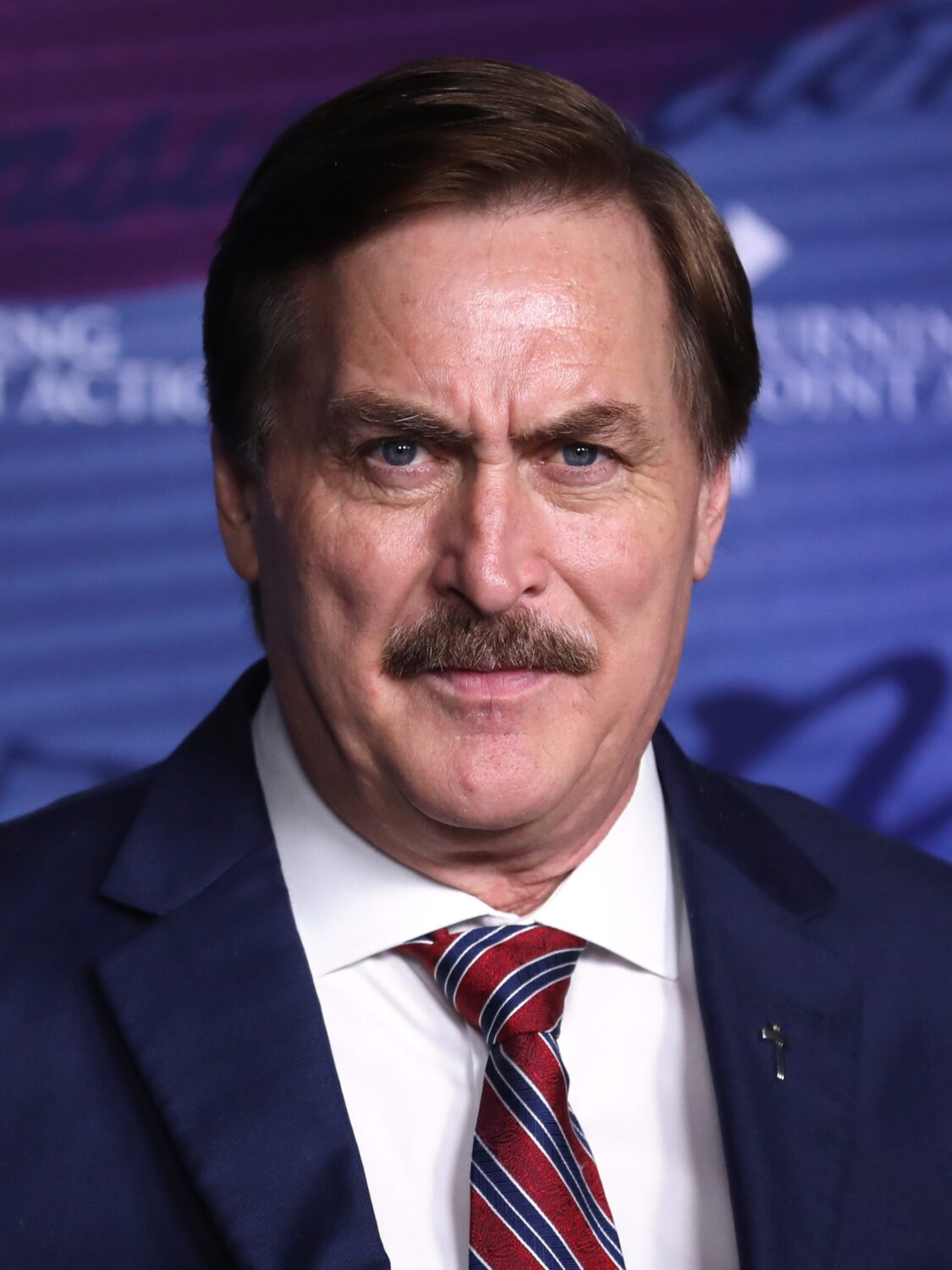
Mike Lindell’s rise from business owner to political figure
Mike Lindell first became widely known as the founder of MyPillow, a company that grew into a recognizable household brand through aggressive marketing and national advertising campaigns.
Over time, Lindell also became one of the most visible business leaders involved in conservative political activism. His public appearances, political commentary, and support for election-related causes turned him into a figure recognized far beyond the business world.
That combination of entrepreneurship and political advocacy has created both strong support and intense criticism. Supporters view Lindell’s actions as an example of free expression and civic involvement. Critics argue that business platforms connected to political efforts require careful oversight because they can provide influence and resources outside traditional campaign structures.
The current legal dispute places that intersection under a microscope.
The bigger issue: when does political activism become campaign spending?
The Lindell case highlights a challenge facing election regulators across the country: politics no longer happens only through campaign offices and television advertisements.
Today, political influence can come through:
- business owners with large public platforms
- social media communities
- branded merchandise
- online fundraising networks
- promotional campaigns tied to political messages
This changing environment has forced courts and election officials to consider questions that did not exist in the same form decades ago.
A person donating money to a candidate is clearly regulated. A person giving away a product while also promoting political views creates a much more complicated legal situation.
That is why cases involving promotional items and political messaging often focus heavily on context and intent.
Why the case could have national implications
Although the legal dispute is taking place in Minnesota, the questions involved are much broader.
Political campaigns increasingly rely on creative methods to reach supporters. Merchandise, online communities, and influencer-style communication have become important parts of modern political engagement.
The outcome of this case could influence how political activists, companies, and public figures approach similar activities in the future. Business owners who combine commercial brands with political advocacy may face closer scrutiny over whether their efforts provide benefits that should be disclosed under election laws.
The case also reflects a growing concern among regulators: Can wealthy individuals use business resources to shape political outcomes without those resources being treated like traditional campaign spending?
The question of intent may decide the outcome.
One of the most important parts of the case will likely involve intent.
The central legal question is not simply whether people received free pillows. It is whether those giveaways were connected to political objectives in a way that triggered campaign finance rules.
Supporters of Lindell may argue that distributing products is part of normal business activity or personal expression. Authorities, however, are examining whether the political circumstances surrounding the giveaways changed their legal meaning.
That distinction could determine how the court views the activity.
What happens next
The probable cause finding allows the case to move forward, but it is not a final judgment. Further legal proceedings will determine whether the allegations are proven and whether any penalties or consequences follow.
For now, the case has become a symbol of a larger transformation in American politics. The traditional boundaries between business, media, activism, and campaigning are becoming harder to define.
A pillow giveaway may appear simple on the surface. Still, the legal debate surrounding it touches on one of the most important questions in modern elections: How should the law measure political influence when money is no longer the only way power moves?
The Mike Lindell pillow giveaway case is not just about a product giveaway. It is about how politics has evolved in the digital age, where companies, personalities, and movements can overlap in ways that challenge old definitions of campaign activity.
The court’s eventual decision may determine more than the outcome of one dispute. It could help shape the rules for how political figures, businesses, and activists operate in an increasingly connected political landscape.