9 Food Questions Couples Should Discuss Before Moving in Together
Moving in together changes more than where two people sleep. It also affects grocery shopping, cooking, food spending, kitchen organization, and the way everyday meals are planned.
Differences that seemed insignificant during occasional dates can become noticeable when two people share a refrigerator. One person may cook every evening, while the other prefers ordering food. These nine questions can help couples discuss expectations before small disagreements become regular frustrations.

1. Who Will Do Most of the Cooking?
Some people genuinely enjoy cooking, while others prefer preparing simple meals. But enjoying an activity doesn’t necessarily mean wanting responsibility for it every day.
Couples should discuss how cooking will be divided. Work schedules, experience, and personal preferences can all influence a fair arrangement.
The agreement doesn’t need to involve identical responsibilities. It should simply feel reasonable to both people. Responsibilities can also change when circumstances change.
2. How Much Will We Spend on Groceries?
Food spending can differ considerably between individuals. One person may prefer premium ingredients, while another prioritizes affordability.
Discussing an approximate grocery budget helps identify differences early. Couples can decide which expenses are shared and how purchases will be managed.
The budget should reflect actual prices and household needs. An unrealistic limit may create frustration rather than savings. Reviewing spending after several weeks can help refine the arrangement.
3. How Often Will We Order Takeout?
Takeout offers convenience after long workdays, but frequent orders can affect a household budget. Couples may have very different expectations about how often it is reasonable.
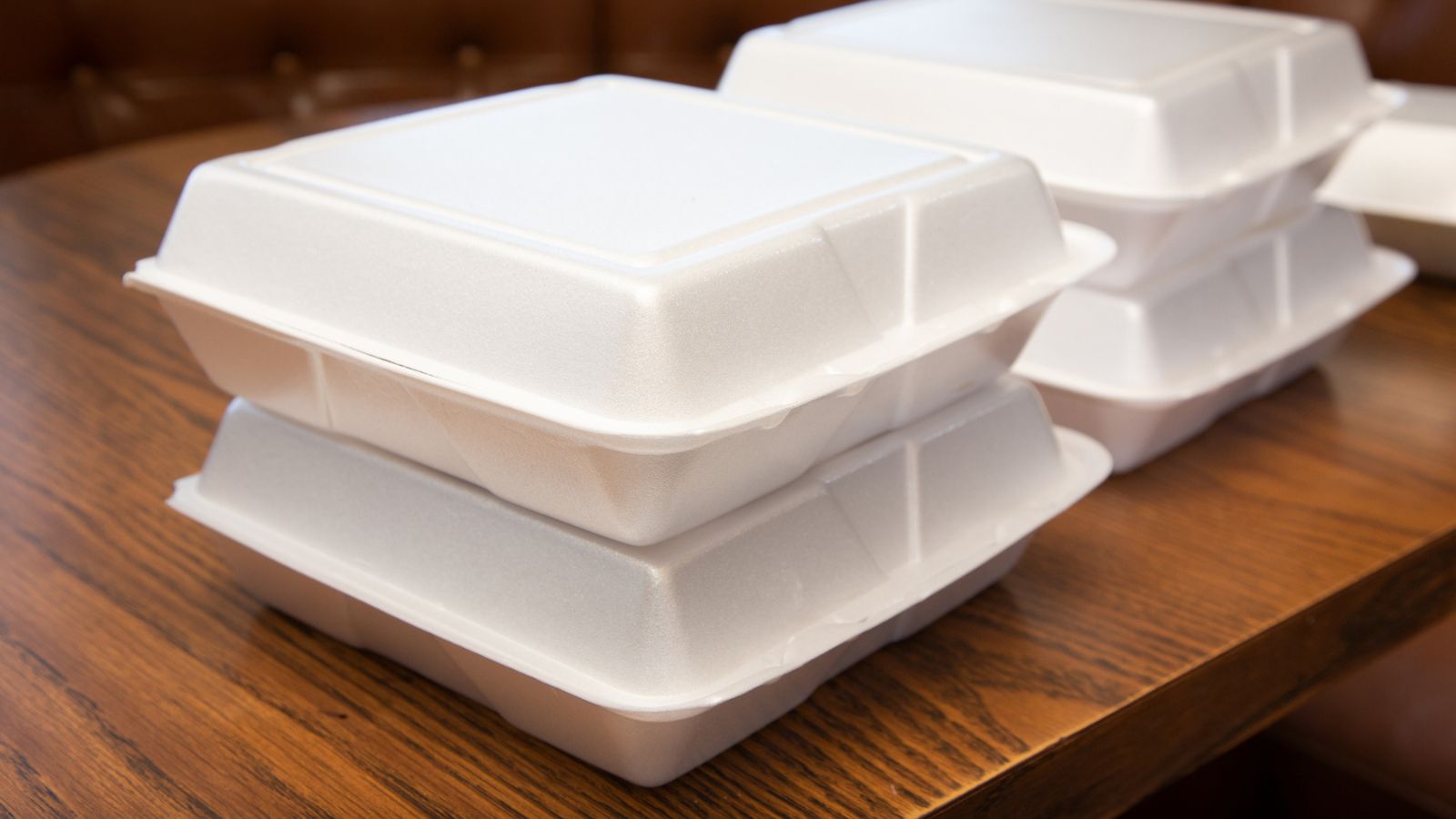
Agreeing on a rough routine provides structure. Some households designate particular evenings for restaurant food.
The plan can remain flexible. Special occasions and unusually busy days may justify exceptions. The important point is avoiding unspoken assumptions that create financial tension.
4. What Foods Won’t We Keep in the House?
Dietary restrictions, allergies, and personal preferences can influence what belongs in a shared kitchen. Some ingredients may be unsuitable for one partner even when the other enjoys them.
Allergies require particular care because cross-contact can cause serious reactions. Appropriate precautions should be based on the affected person’s needs.
Other disagreements are simply matters of taste. A couple may decide that certain foods can be prepared separately. Clear expectations help make the kitchen comfortable for both people.
5. Who Will Clean Up After Cooking?
Cooking and cleaning are connected responsibilities, but they aren’t always divided equally. Someone may prepare dinner and then discover that washing every dish is also expected.
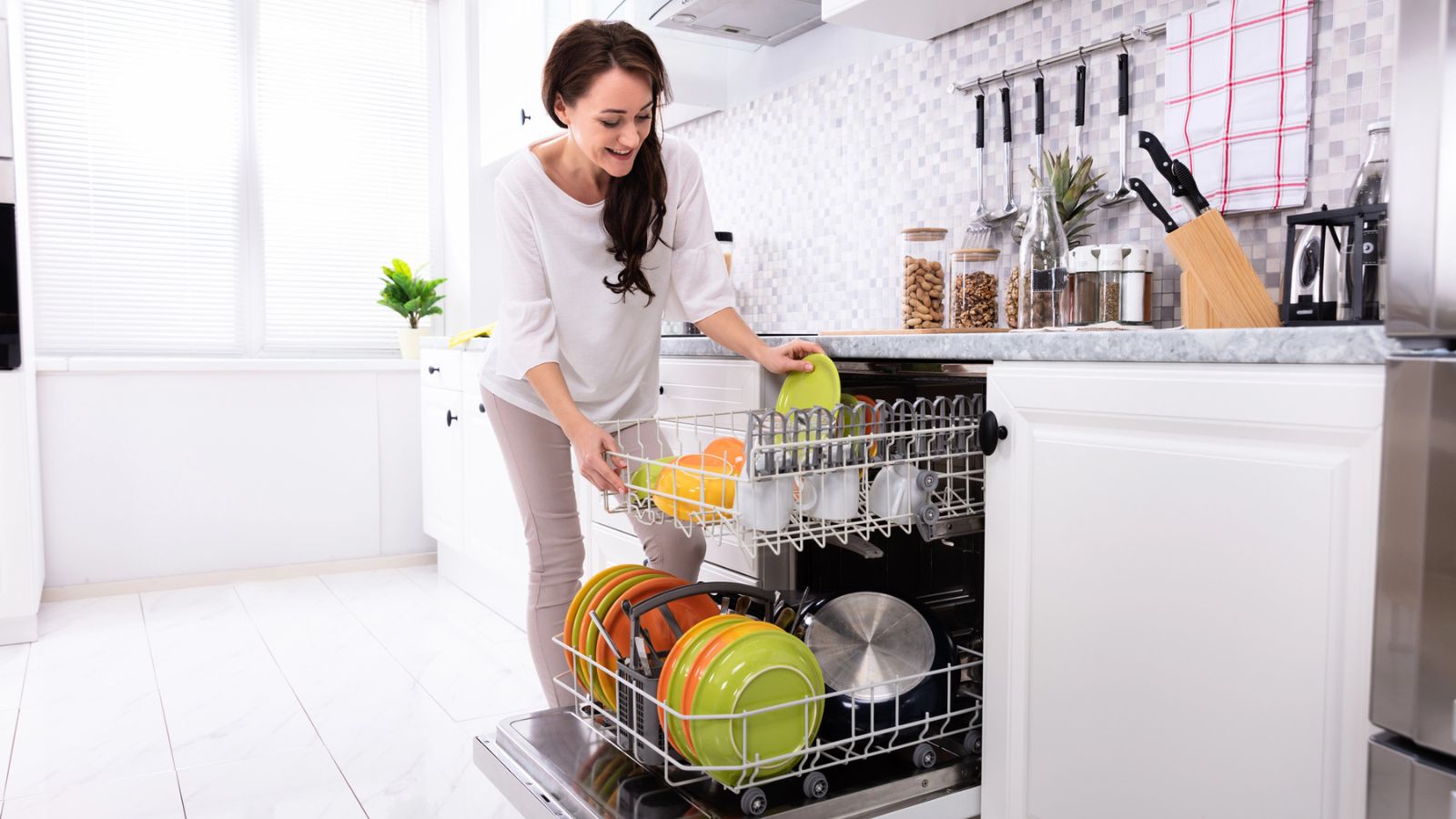
Discussing cleanup before establishing a routine can prevent resentment. One person might cook while the other washes dishes, or the tasks may rotate.
A discussion of household responsibilities highlights how minor chores can represent larger relationship concerns. Kitchen routines are a practical example.
The right arrangement depends on schedules and preferences. What matters is whether both partners consider it fair.
6. How Will We Handle Leftovers?
One person may enjoy leftovers, while the other prefers preparing something fresh. That difference can affect meal planning and food waste.
Couples can decide which dishes are worth preparing in larger quantities. Freezing suitable portions may reduce the need to eat the same meal repeatedly.
Food safety should remain part of the plan. Refrigerated leftovers generally need to be used within recommended storage periods. A shared system makes it easier to avoid forgotten food.
7. What Will Breakfast Look Like?
Breakfast habits can reveal surprisingly different routines. One person may cook eggs every morning, while the other eats cereal or skips breakfast.
These differences can affect grocery purchases, kitchen use, and morning schedules. Discussing them helps couples avoid unnecessary expectations.
Nobody needs to eat identical breakfasts. But coordinating shopping can reduce duplication and waste. A shared breakfast on certain days may also become an enjoyable household tradition.
8. How Will We Organize the Kitchen?
Kitchen organization influences how easily people cook together. One partner may prefer keeping everything visible, while the other wants clear countertops.

Agreeing on storage locations helps prevent constant searching. Frequently used utensils and ingredients should be easy for both people to find.
Organization doesn’t require expensive containers or matching shelves. A simple, shared system is usually enough. The arrangement should also account for food safety and appropriate storage conditions.
9. How Will We Handle Guests and Family Meals?
Hosting friends or relatives can create additional cooking and spending responsibilities. One partner may enjoy entertaining, while the other prefers quieter evenings.
Discussing expectations about invitations, shared meals, and cleanup helps prevent misunderstandings. Couples can decide how frequently they want to host.
Food preferences and dietary needs may also matter when guests visit. Planning ahead reduces pressure. An enjoyable gathering is easier when both partners understand their roles.
Why These Conversations Matter
Living together creates shared routines, and food is part of nearly every day. Small differences become easier to manage when expectations are discussed openly.
The objective isn’t to establish rigid rules for every meal. It is to develop habits that work for both people.
Couples may discover that they agree on most things but need compromises in a few areas. Those conversations are easier before frustrations become established patterns.
A shared kitchen can become a pleasant part of home life. Thoughtful planning helps ensure that preparing dinner remains a practical responsibility rather than a recurring source of conflict.