Avoid These 8 Heat Wave Mistakes Before They Harm Your Health
The next heat wave won’t just be uncomfortable; it could be dangerous. As temperatures climb to extreme levels, even small, everyday habits can quietly put your health at serious risk.
From how you hydrate to the way you cool your home, the wrong choices can lead to dehydration, heat exhaustion, or even life-threatening conditions before you realize what’s happening.
Here are 8 common mistakes people make during a heat wave, and the smart, practical steps you need to avoid them and stay safe.
Closing Windows and Curtains
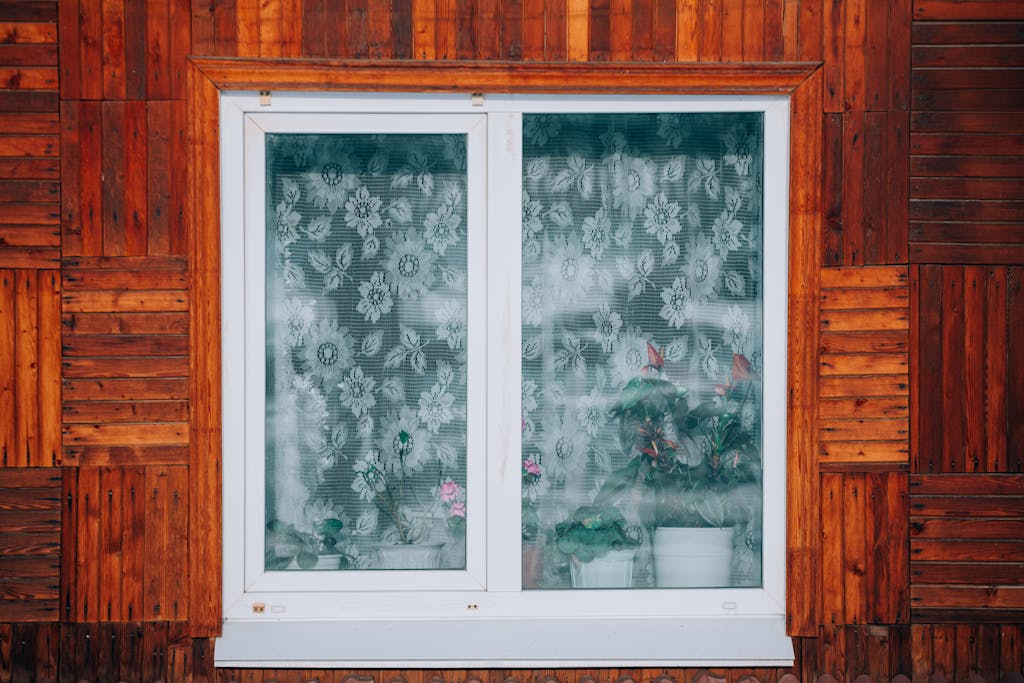
While it’s common to close windows and curtains to block out the sun during a heat wave, this can have the opposite effect. When you trap heat in your home, the temperature continues to rise. Instead, keep curtains or blinds closed during the day to prevent sunlight from entering, and open windows to create a cross-breeze when the outside temperature drops in the evening. A simple trick is to place a bowl of ice in front of a fan to cool the air before circulating it through your home.
Eating Heavy Meals
During a heat wave, heavy meals can strain your body, making it harder to regulate your internal temperature. Foods high in fat and protein take longer to digest, increasing your metabolic rate and raising your body temperature. Opt for lighter, hydrating meals such as salads, fruit, and smoothies to help cool you down and keep you energized. Incorporating high-water-content foods like cucumbers, watermelon, and citrus fruits can enhance your hydration levels.
Using Hot Showers

Taking a hot shower may feel soothing in normal conditions, but during a heat wave, it only increases your body temperature. Instead of a hot shower, use cool or lukewarm water to help lower your body temperature. A cold shower can be a refreshing option for immediate relief, but make sure the water is not too cold to avoid shocking your system. Additionally, avoid using hot water to wash your hands or face, as it will only make you feel warmer.
Forgetting Vulnerable Populations
When preparing for a heat wave, it’s crucial to account for the needs of vulnerable groups. Elderly individuals, children, and pets are especially susceptible to the dangers of extreme heat. Make sure they have access to air conditioning, plenty of water, and a cool place to rest. Never leave pets or children in hot cars, even for a few minutes. Check on elderly neighbors and family members, and ensure they have everything they need to stay safe during extreme temperatures.
Ignoring Hydration Needs
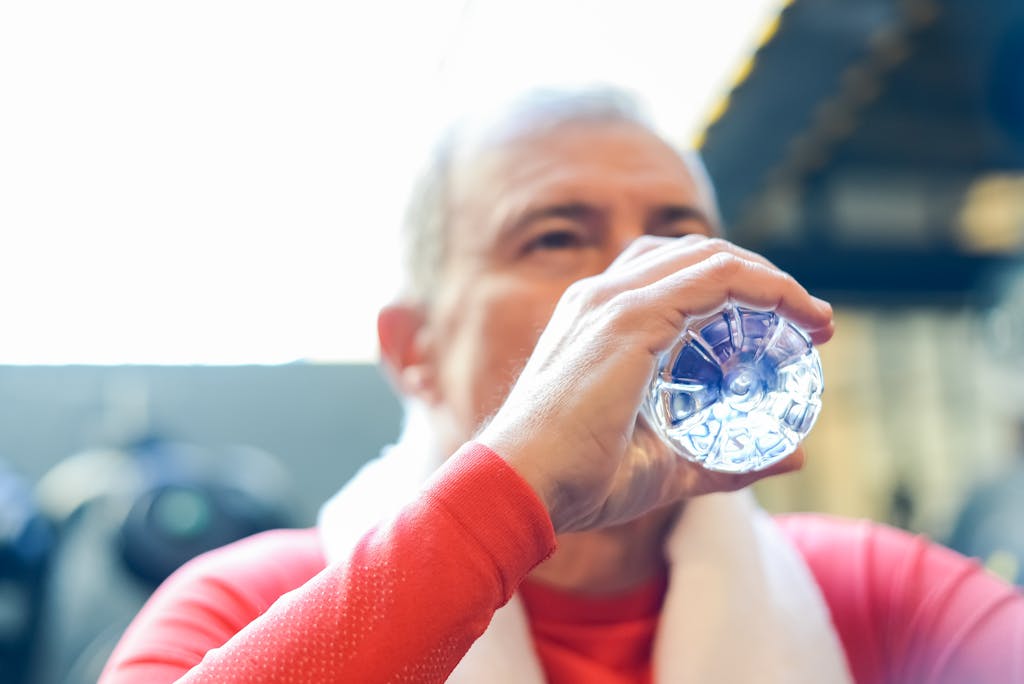
One of the most severe mistakes during a heat wave is underestimating the importance of hydration. The heat causes your body to sweat more than usual, leading to rapid fluid loss. But it’s not just about drinking water; your body also loses essential minerals. Opt for electrolyte-rich drinks to replenish lost sodium and potassium, helping prevent heat exhaustion and cramps. Avoid alcohol and caffeine as they can worsen dehydration.
Staying Indoors with Poor Ventilation
When the outdoor temperature rises, staying indoors might seem like the best idea. However, if your space lacks adequate ventilation or air conditioning, you’re creating a hotbox effect. This mistake can elevate indoor temperatures, sometimes making them even higher than outside. Open windows to encourage airflow, use fans to circulate air, or invest in a portable air conditioner. If possible, take refuge in public spaces with cooling centers or air-conditioned buildings during the hottest parts of the day.
Exposing Yourself to Direct Sunlight for Too Long

Though it may seem tempting to enjoy the sun during a heat wave, prolonged exposure can be dangerous. Not only does the intense sun heat up your body, but it can also lead to skin damage, heat stroke, or dehydration. Avoid being outdoors between 10 a.m. and 4 p.m., when the sun’s rays are at their peak. If you must be outside, wear light clothing, a wide-brimmed hat, and SPF 30 or higher sunscreen to protect your skin.
Overexerting Yourself with Physical Activity
While staying active is important for health, during a heat wave, strenuous physical activity can be hazardous. Exercising outdoors in extreme heat increases your body’s temperature and your risk of heat-related illnesses. If you must exercise, do it during cooler hours, early in the morning or late in the evening. Take plenty of breaks, stay hydrated, and opt for indoor activities such as swimming or yoga.
Conclusion
Heat waves are no longer rare events; they’re becoming a regular and dangerous part of modern life. The difference between staying safe and putting yourself at risk often comes down to simple daily decisions. By avoiding these common mistakes, staying properly hydrated, keeping your environment cool, dressing appropriately, and looking out for vulnerable people, you can protect your health even in extreme temperatures. When the heat rises, awareness isn’t just helpful; it’s essential