10 Parenting Habits That Drain Your Budget
Raising children can be expensive, but many parents unknowingly escalate costs by indulging in unnecessary spending. These habits not only damage your finances but can also create unhealthy expectations in your children.
Instead of thinking that more money equals better parenting, it’s essential to recognize where you can save, without compromising your child’s happiness or future. Here are 10 habits that quietly drain your budget, and how you can avoid them.
Choosing Expensive Baby Gear

When preparing for a new baby, the temptation to buy new gear is overwhelming. However, purchasing brand-new strollers, cribs, and other equipment isn’t always necessary.
Opting for secondhand items or reusing gear from previous children can save significant amounts of money without compromising safety or quality. Many items are used only briefly, and buying secondhand or borrowing can easily fill the same needs.
Investing in Brand-Name Kids’ Clothing
Kids grow quickly, and brand-name clothes often don’t survive long enough to justify their price. Instead of splurging on trendy or premium brands, consider shopping at affordable retailers, secondhand stores, or online marketplaces for gently used clothes.
Many high-quality garments, including shoes, jackets, and jeans, are available at a fraction of the price, offering good value without sacrificing style or comfort.
Falling for Kid-Centric Marketing
From superhero bandages to character-themed toothpaste, many products are marketed directly to children to make them more desirable. These items often carry a significant premium over standard versions. Instead of buying into the marketing, consider plain, functional alternatives.
The extra cost is rarely justified when the product serves the same purpose without the branded extras.
Buying New Bikes and Toys for Every Growth Spurts

New bikes, scooters, and other outdoor gear may seem like the perfect gifts, but kids often outgrow them quickly. Instead of investing in brand-new versions, consider purchasing secondhand bikes or gently used outdoor gear.
Thrift stores, local consignment shops, or online marketplaces can provide high-quality items that are nearly as good as new at a much lower cost.
Endless Electronics, Apps, and Video Games
Technology is integral to modern childhood, but the costs can spiral quickly.
Whether it’s video games, apps, or electronic devices, the temptation to buy the latest gadget is ever-present. Instead of giving in, set boundaries and encourage your children to pay for their own apps or games through allowance or gift money.
This teaches financial responsibility and helps curb unnecessary spending on fleeting digital trends.
Giving in to Impulse Buys
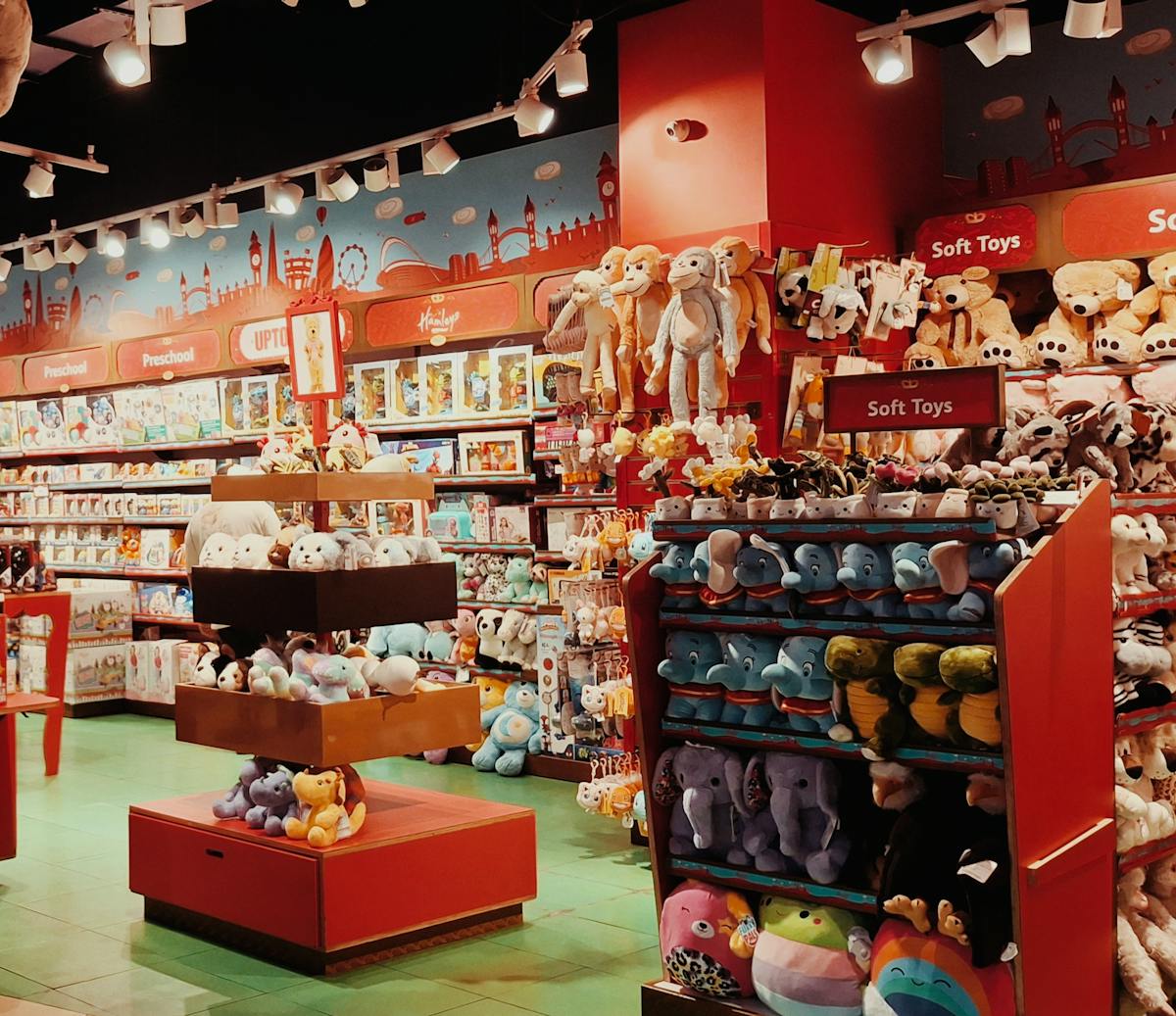
Taking your child shopping can often lead to unplanned purchases. Those small toys, snacks, or accessories that catch your child’s eye can quickly add up, and before you know it, your total has ballooned. A helpful strategy is to limit shopping trips or go without the children when possible.
This way, you avoid spontaneous purchases and keep your budget in check.
Throwing Over-the-Top Birthday Parties
While it’s important to celebrate your child’s birthday, extravagant parties aren’t necessary. Avoid booking expensive venues, hiring entertainers, or spending excessively on decorations and party favors.
A simple gathering with friends and family, a cake, and some games can be just as enjoyable, and your child will likely appreciate the experience far more than any lavish production.
Buying Family Passes That Go Unused
Purchasing family memberships to zoos, amusement parks, or museums can seem like a great deal, but if you don’t regularly visit these places, it’s an unnecessary expense.
Instead of committing to annual passes, consider paying for admission as needed. If you do decide on a membership, ensure it fits your schedule and that you’ll make enough visits to justify the cost.
Indulging in Pet Purchases Without Thought
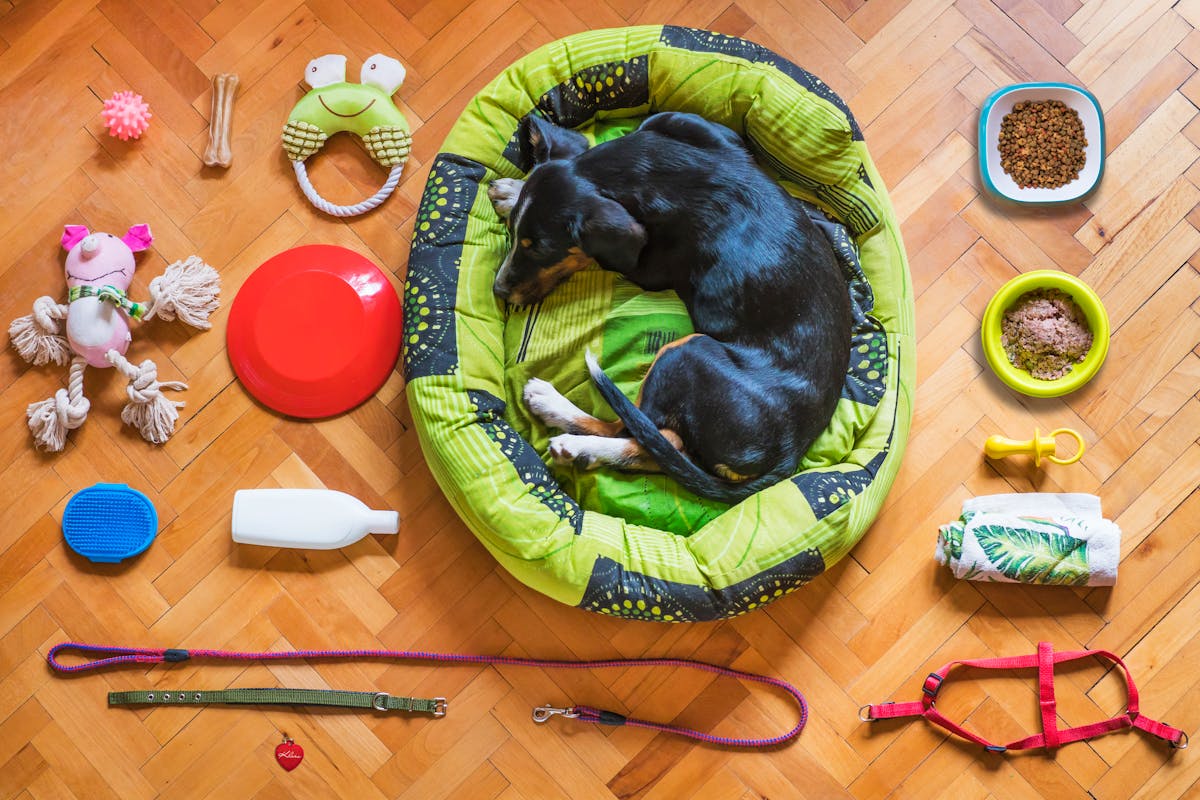
Pets can be a great addition to the family, but many parents overlook the hidden costs. From food and bedding to veterinary bills and pet toys, the expenses can add up quickly.
Before acquiring a new pet, consider whether it’s the right time and whether the pet’s care requirements fit within your family’s routine and budget.
Dining Out Too Often
While dining out can be an enjoyable experience, it often isn’t the most cost-effective way to feed your family. Kids tend to waste food or make poor dining choices, leaving you with high bills and unfinished meals. Instead of making eating out a regular habit, try cooking at home.
This not only saves money but also allows you to serve healthier meals tailored to your family’s preferences.
Conclusion
In each of these situations, the key to saving money lies in being intentional about purchases and priorities. When we choose to focus on what truly matters: health, security, education, and meaningful experiences,we can drastically reduce unnecessary spending and build a stronger financial future.
The most valuable things we offer our children aren’t the latest gadgets or the most expensive toys; they’re love, stability, and the opportunity to develop financial wisdom for their own future.