11 Things You Shouldn’t Overlook Before Purchasing a House
Buying a home can feel exciting right up until the moment small oversights turn into expensive realities. We may love the kitchen, the yard, or the curb appeal, but the real cost of a house often lies in the details that don’t show well in listing photos.
A smart homebuying checklist does more than help us compare properties. It protects our budget, our comfort, and our long-term peace of mind.
Watch for Mold and Moisture Problems Before They Become Budget Killers
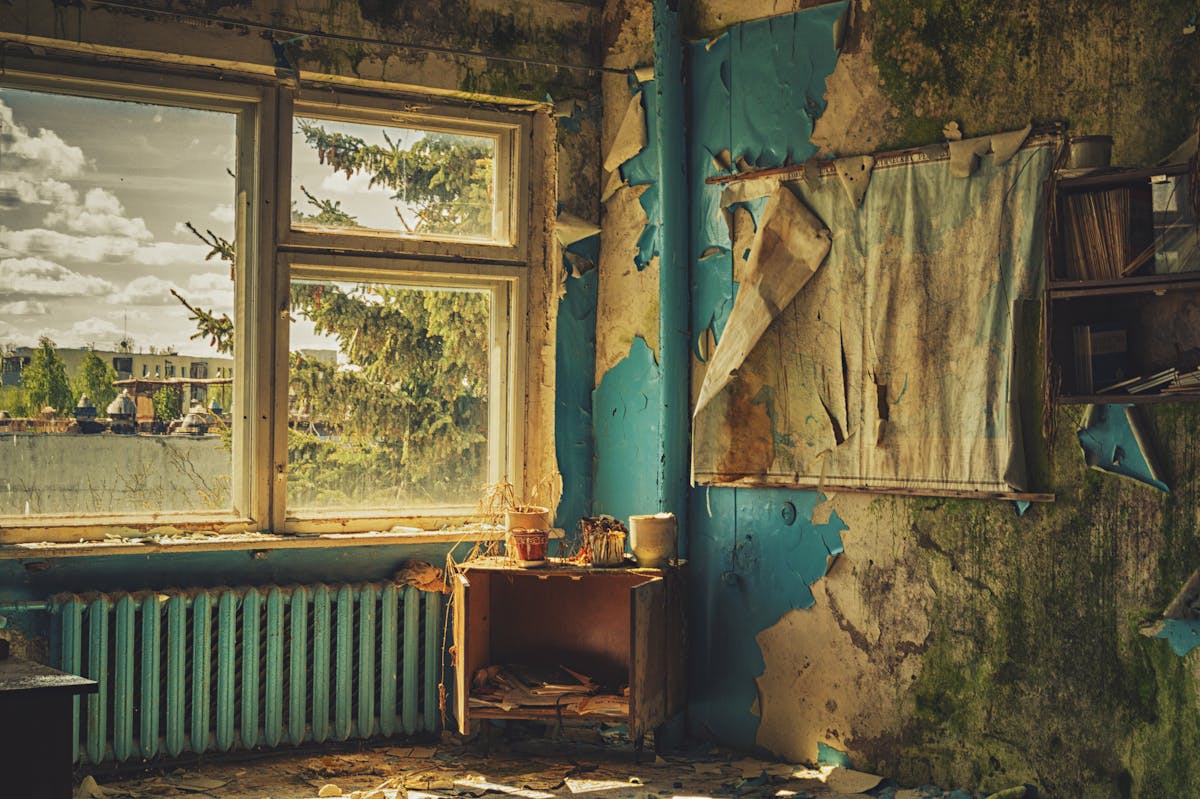
Moisture issues are often hidden by fresh paint, so inspect basements, bathrooms, and ceilings for musty smells, warped trim, and dampness. Even minor moisture can signal costly leaks, mold, wood rot, or ventilation problems.
Persistent moisture may lead to repeated repair bills long after move-in. If anything feels off, get a detailed inspection and moisture assessment to determine if it is a manageable fix or a sign of bigger trouble.
Calculate the Real Monthly Cost and Not Just the Mortgage Payment
The monthly mortgage is only one part of the real cost of owning a home. Add up property taxes, insurance, utilities, internet, trash, security, routine maintenance, and association dues before buying.
A house that seems affordable can quickly become a stretch after heating, cooling, and repairs, especially in older homes with weak insulation or outdated systems. Build a realistic monthly model that factors in worst-case utility costs and leaves room for seasonal spikes or surprise repairs.
Check the Neighborhood as Carefully as We Check the House
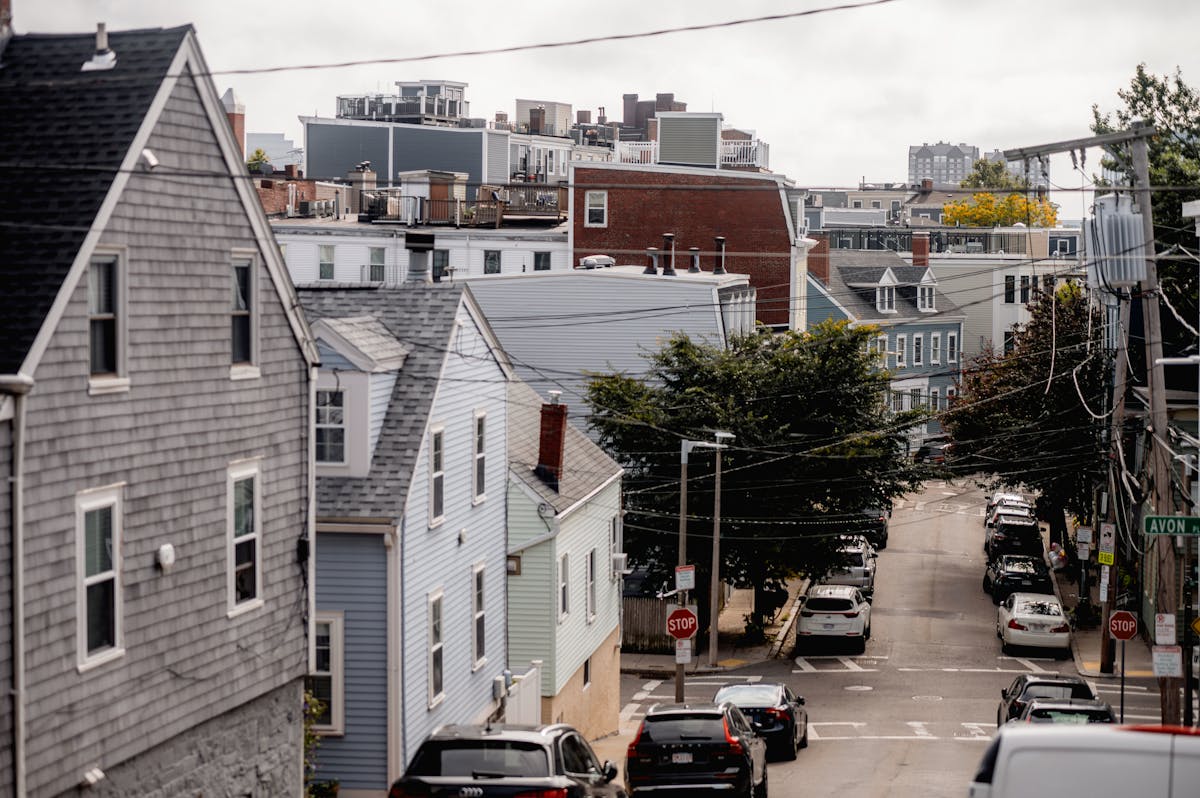
A beautiful house cannot fix a difficult street, aggressive parking, or noisy neighbors. Visit the area at different times of day and throughout the week to spot issues such as morning traffic, evening noise, or weekend activity.
Walk the block, look at how homes are maintained, and notice whether the street feels calm, crowded, or constantly active. Remember, you are buying into a neighborhood as much as a property.
Test for Noise Problems Before We Commit to the Address
Noise can make even a spacious home feel small. Ambulances, barking dogs, nearby businesses, loud neighbors, or thin walls can quickly wear on you. Visit the property more than once and listen with intention; stand in the bedrooms, linger in the yard, and pay attention with windows open and closed.
If you work from home, have kids, or value sleep, sound matters as much as layout. Persistent noise can turn a dream home into a daily frustration.
Make Sure the House Works for Modern Power Needs
Look beyond cosmetics to the electrical setup. Older homes may lack convenient outlets or have outdated panels. Count outlets in important rooms and think about where you’ll need charging or workspaces. Adding outlets is possible, but not always easy or cheap,especially if walls need opening or circuits need upgrades.
Good living flow depends on these small details, so know which problems are cosmetic and which are signs the house needs electrical work.
Test the Garage and Parking Situation in Real Life
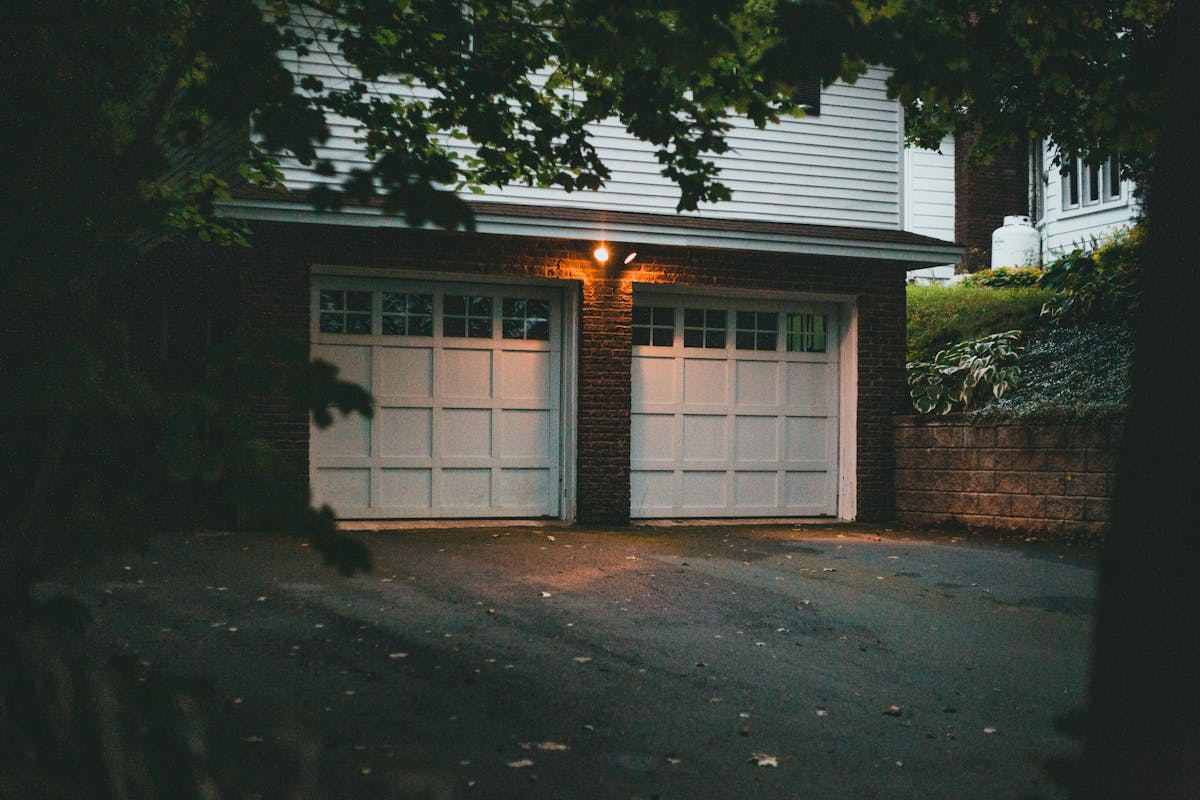
Garage space can be deceiving. Measure your car and compare it to the garage opening, clearance, and turning angle. Older garages may be too small for modern vehicles. Also, check street parking rules, guest parking, and ease of access during busy times.
Families with multiple drivers or large vehicles can face daily friction if parking is tight. What seems like a small issue can become a constant frustration.
Never Ignore Strange Smells During a Home Tour
Odors like smoke, mildew, pet smells, or heavy fragrance can reveal bigger issues with a house. Smells can linger in walls, carpets, ductwork, or insulation and may require deep cleaning, new flooring, HVAC work, or special treatments.
Sellers often try to mask odors, so trust your instincts if the air feels off. Addressing odor problems can be costly and may signal deeper maintenance or damage concerns.
Practice the Payment Before We Accept the Obligation
Test affordability by saving the difference between your current rent and the projected mortgage and housing costs for a few months. This practice helps you feel what real cash flow will be like when bills become routine, not just theoretical.
If you struggle to save or feel cash-strapped, the payment may be too high, and the house could become a financial burden rather than a comfort.
Verify Property Lines and Boundaries Before Closing

Verify property lines and boundaries using surveys, plats, or boundary documents before closing, especially if the lot is oddly shaped or improvements are near the edge. Fences, sheds, and landscaping are not always on your property, and a few feet of confusion can lead to legal costs or forced changes.
Clear boundaries matter for privacy, improvements, and resale value, so resolve any encroachment or uncertainty before buying.
Check How Sound Travels Inside the Home
Check how sound travels inside the house, not just outside. Thin walls, open layouts, or poor insulation can make privacy difficult and noise a daily issue.
Test this during your tour: stand in one room while someone talks or plays music in another to see how much it carries. Comfort inside the house depends on more than just the conditions outside.
Review HOA Rules, Fees, and Financial Health With a Cold Eye
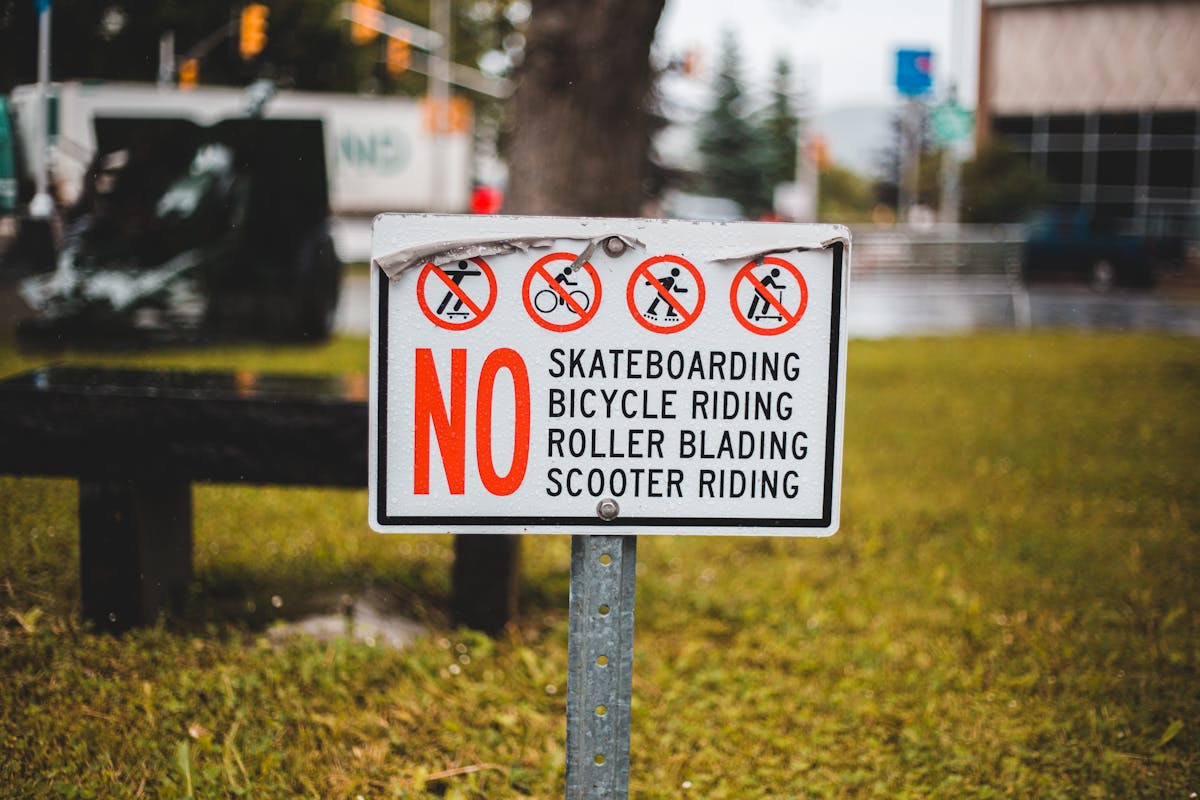
HOA rules, fees, and financial health can shape your daily life more than expected. Review all documents for restrictions on parking, paint colors, landscaping, rentals, pets, and exterior changes.
Also, check dues, reserve levels, past fee increases, and pending assessments, since low fees now can mean big expenses later. Make sure the HOA’s lifestyle and stability fit your needs before buying.
Key Takeaway
The best way to avoid homebuying mistakes is to judge the property as if you will live there, not just tour it. Assess true monthly costs, noise, smells, boundaries, neighborhood, HOA, repair risks, and long-term affordability.
Thoughtful attention to these details protects your budget, comfort, and peace of mind in your new home.