10 Bizarre Phobias That Will Leave You Stunned
Phobias are more than passing worries; they can seize control of daily life, turning ordinary moments into daunting challenges.
While quirks are universal, some fears are so peculiar they seem to rewrite the rules of reason. These rare phobias color every step, shaping how people interact with the world around them.
Explore this collection of 10 truly bizarre phobias and discover if your own unusual anxieties suddenly feel a bit more ordinary.
Mageirocophobia: Fear of Cooking
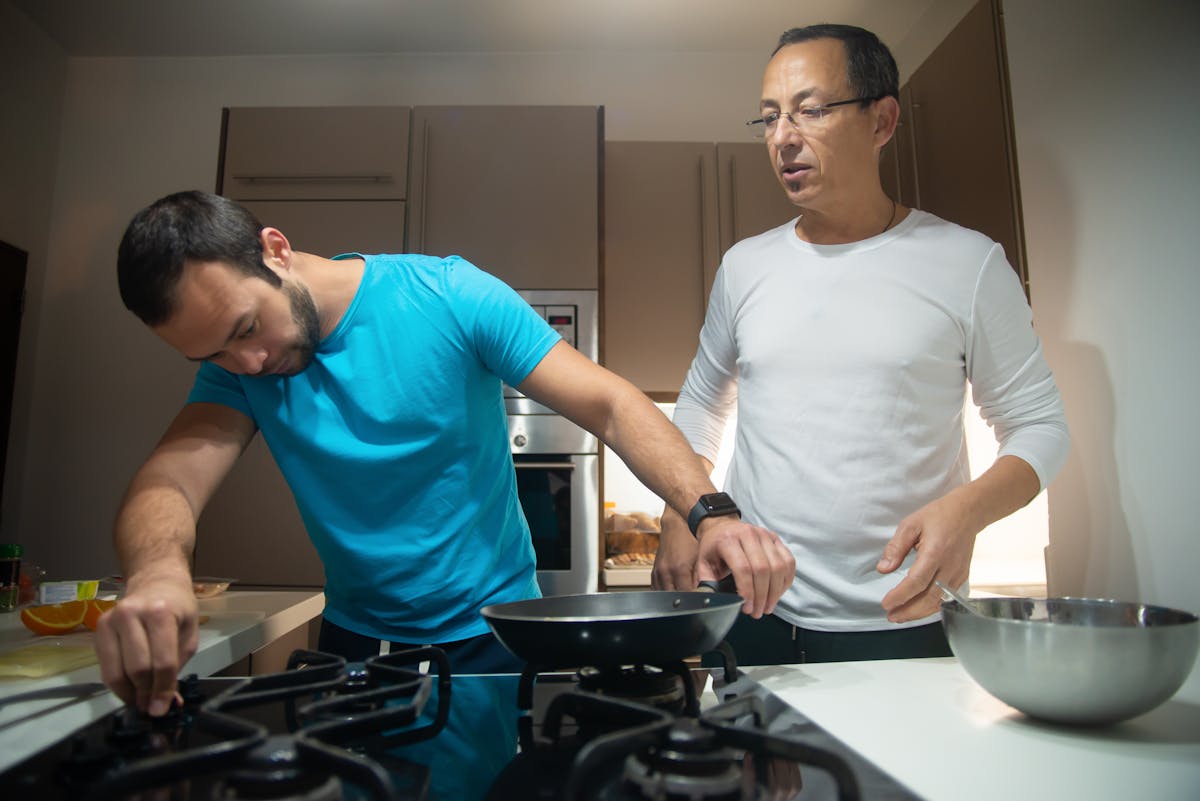
Imagine the rush of panic when even boiling water feels impossible. Mageirocophobia, the fear of cooking, transforms kitchens into arenas where anxiety and self-doubt wage war.
The idea of preparing a meal can be so daunting that some avoid the stove altogether, relying on takeout and snacks to get by. For solo dwellers, this fear often means trading home-cooked meals for the convenience of processed foods.
Yet with encouragement and a dash of bravery, even the most kitchen-averse can rediscover their inner chef.
Dinophobia: Fear of Dinner Conversations
While socializing can rattle nerves, dinophobia turns dinner conversation into a minefield of anxiety. Dining out or attending a dinner party becomes a test of endurance.
As society drifts from formal etiquette, some find themselves adrift, gripped by the fear of speaking over a meal. Even the simplest supper can spark intense nervousness and a strong urge to avoid the table altogether.
Pediophobia: Fear of Dolls
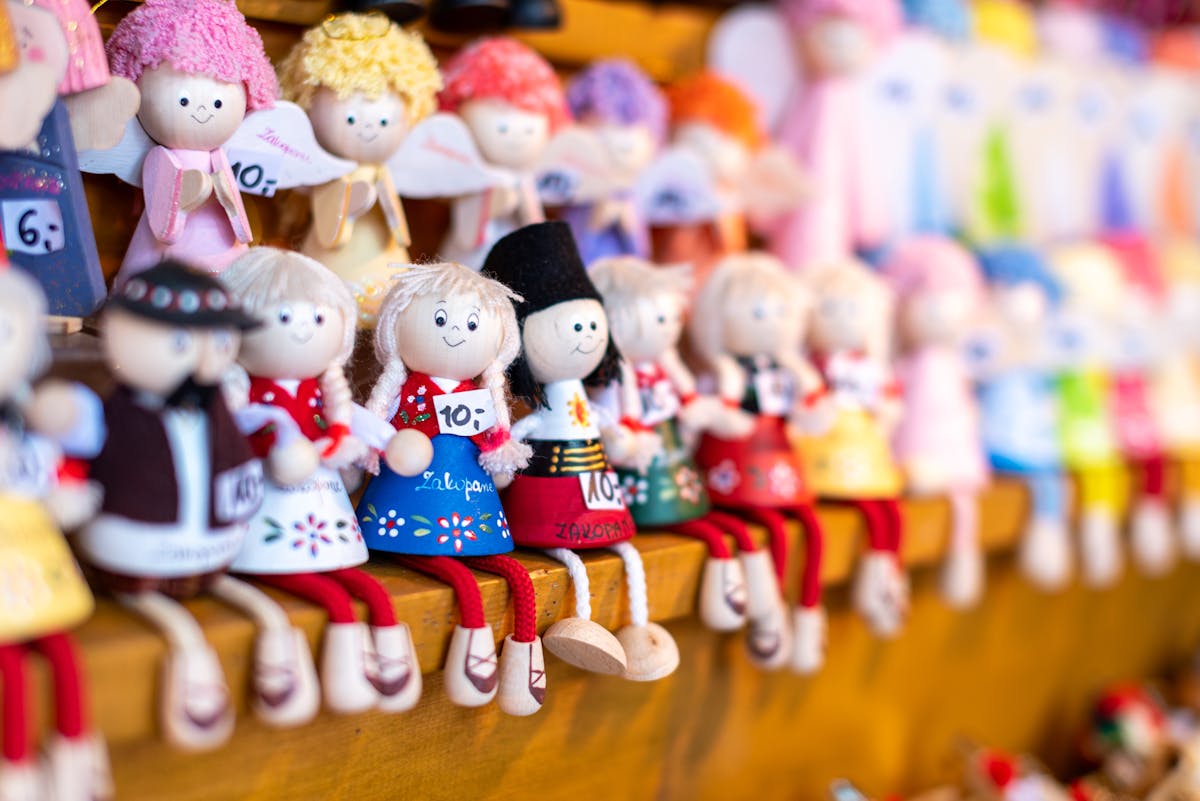
Pediophobia is the fear of dolls and any human-like figure, from mannequins to robots. For those who experience it, these lifelike objects blur the boundary between real and artificial, sparking waves of panic.
Agyrophobia: Fear of Crossing the Street
Agyrophobia is the fear of crossing streets, making a routine act feel dangerous. Anxiety stems from the idea of stepping off the curb, complicating daily navigation in busy environments.
Eisoptrophobia: Fear of Mirrors
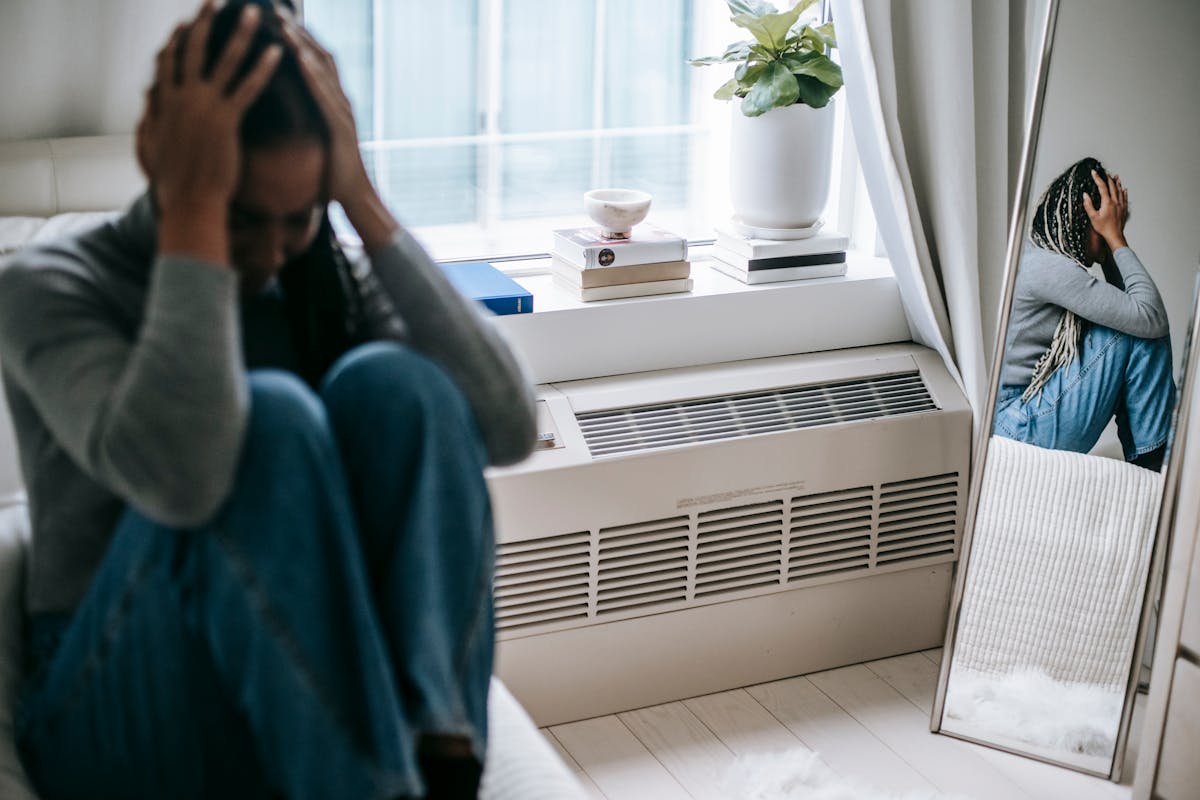
While most see mirrors as harmless, those with eisoptrophobia view them as gateways to something sinister. The mere act of catching their own reflection can send shivers down their spine, haunted by the idea that mirrors might link them to the supernatural. Superstitions about broken mirrors only add fuel to the fear, making daily routines like grooming or passing a hallway mirror nerve-wracking.
Demonophobia: Fear of Demons
Demonophobia is the persistent fear of demons or supernatural forces. Exposure to related themes in media or the environment can trigger intense fear and avoidance.
Pentheraphobia: Fear of the Mother-in-Law
Pentheraphobia is the fear of a spouse’s mother, often complicating marital relationships with anxiety and tension. Encounters can become stressful due to underlying family or authority issues.
Arachibutyrophobia: Fear of Peanut Butter Sticking to the Roof of Your Mouth

Peanut butter may be a childhood favorite, but for those with arachibutyrophobia, it’s a sticky nightmare. The mere thought of peanut butter clinging to the roof of the mouth can spark panic, complete with a racing heart and sweaty palms.
This rare phobia can make lunchtime a battleground, especially for kids, turning a classic treat into a source of dread.
Cathisophobia: Fear of Sitting
Cathisophobia is the fear of sitting, a simple act most take for granted. For some, past pain or punishment turns taking a seat into an ordeal, sparking anxiety and an urge to stand. Everyday tasks, from office work to dining out, become daunting challenges.
Automatonophobia: Fear of Ventriloquist Dummies
Automatonophobia is an intense fear triggered by ventriloquist dummies,lifeless figures made to appear alive.This fear targets anything that blurs the line between lifeless and living, from mannequins to talking dolls. Their uncanny movements and eerie presence can trigger a deep, lingering dread, making even a toy store feel like a house of horrors.
If these phobias may seem outlandish to the majority, for those who suffer from them, they are very real and often debilitating.
Conclusion
Understanding these unique fears can help us approach the topic of mental health and anxiety with more empathy and openness.
Whether it’s the fear of crossing the street or the fear of sitting down, each phobia offers a glimpse into how the mind reacts to perceived threats, even if they aren’t rational.
The key to overcoming such fears lies in seeking help, understanding what causes them, and challenging these anxieties, enabling you to reclaim control over daily life.