6 Reasons Why More People Are Cooking From Their Grandparents’ Recipes Again
A handwritten recipe card tucked away in a kitchen drawer might seem like just a piece of paper, but for many families, it means much more. Those faded notes and instructions passed down through generations hold memories of family gatherings, cultural traditions, and special moments around the dinner table. Lately, more people are turning back to their grandparents’ recipes, not to give up modern food, but to find something more personal, meaningful, and connected to their roots.
With so many food delivery apps, convenience meals, and online recipes available, family cooking traditions are making a comeback. Young adults are recreating childhood dishes, and families are digitizing old cookbooks. Grandparents’ recipes are becoming more than cooking instructions; they’re a way to keep history alive.
Family Recipes Preserve Memories and Personal History
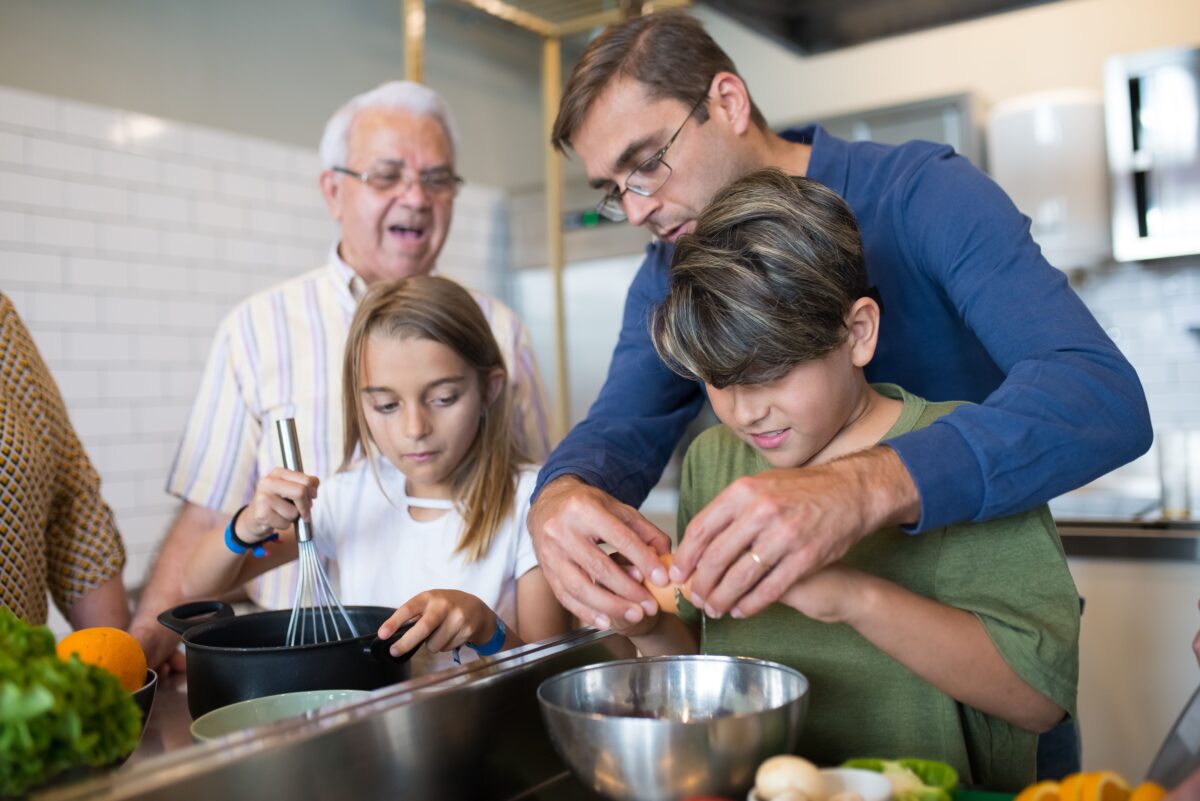
The biggest reason people return to grandparents’ recipes is that food carries memories. A recipe is often connected to specific The main reason people go back to their grandparents’ recipes is that food brings back memories. A recipe often reminds us of special times, like holiday celebrations, Sunday dinners, childhood moments, or big family gatherings. familiar soup, the taste of a traditional dessert, or the process of making a meal exactly the way a grandparent taught them can bring back memories that cannot be recreated in any other way.
A recipe card is more than just a list of ingredients. It can show where a family came from, what traditions mattered to them, and how they cared for each other. For immigrant families and those with strong food traditions, recipes often hold stories about moving to new places, celebrating together, facing hard times, and getting through them.
Related:Top 10 Cooking Mistakes You Should Avoid for Perfect Dishes Every Time
People Want More Authentic Food Experiences
Today’s food culture makes eating faster and easier than ever. Delivery apps, ready-made meals, and convenience foods help people get food quickly with little effort. But while these options support busy lives, some people feel less connected to cooking.
Cooking a grandparent’s recipe is different. It takes time, focus, and effort. Instead of just opening a package or ordering food, people get involved in making something that matters. More adults are searching for food experiences that feel authentic rather than mass-produced. They want to know the story behind a dish, understand where ingredients came from, and learn the techniques that previous generations used.
A family recipe offers something modern foods can’t: a personal touch.
Younger Generations Are Rediscovering Traditional Cooking
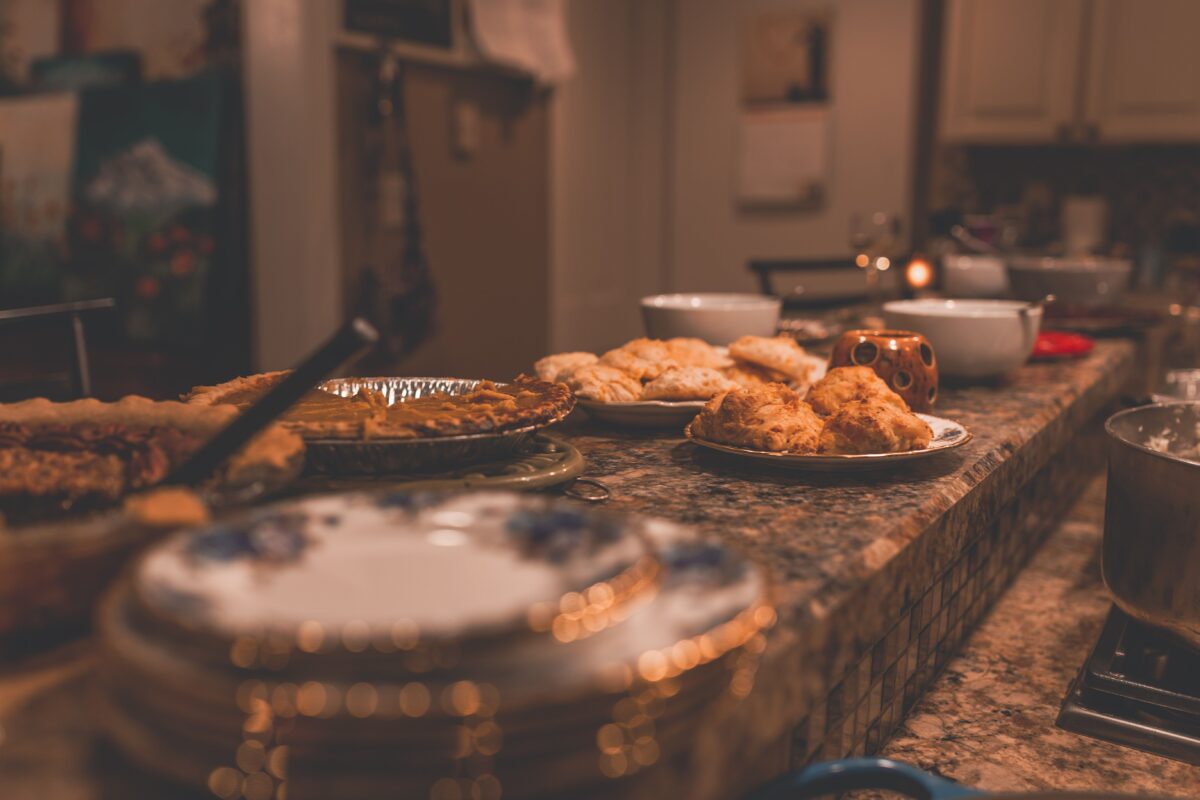
Younger generations still use restaurants, delivery, and convenience foods, but many are now interested in traditional cooking and family recipes.
What’s new is that younger cooks are mixing old traditions with modern technology. Someone might call their grandmother for a recipe, watch online videos to improve their cooking, and then share the finished meal on social media.
Platforms like TikTok, YouTube, and Instagram now let people share recipes, show cooking techniques, and celebrate foods from different cultures.any cases, it has helped preserve and spread them.
A recipe that once stayed in one family’s kitchen can now inspire people worldwide.
Home Cooking Gives People More Control Over Their Food
People also go back to family recipes because they want more control over what they eat.
Cooking at home lets people choose their ingredients, control how much salt or sugar they use, decide on portions, and make meals that fit their lifestyle.
Studies show that people who cook at home more often usually have better diets than those who eat out a lot. Still, experts say that things like income, time, access to ingredients, and cooking skills all affect how people cook.
Traditional recipes aren’t always healthier than modern foods. Some family dishes have lots of sugar, salt, or rich ingredients, while others use vegetables, beans, whole grains, and other healthy foods.
The goal isn’t to take away what makes traditional recipes special, but to adapt them when needed and keep their meaning.
A recipe can change without losing its story.
People Are Trying to Preserve Family Traditions Before They Disappear
Many family recipes were never written down because earlier generations learned by watching and doing. Grandparents often cooked from experience, not exact measurements, and knew how food should look, smell, and feel.
The problem is, this kind of knowledge can be lost when older family members can’t share it anymore.
That’s why many people are starting to document their food traditions. Families are scanning old recipe cards, recording relatives as they cook, making digital cookbooks, and saving videos of traditional cooking methods.
Technology has become a tool for protecting memories.
A smartphone recording of a grandparent explaining a recipe may become a priceless family document years later.
The kitchen drawer is turning into an archive.
People Are Searching for Connection in a Fast-Moving World
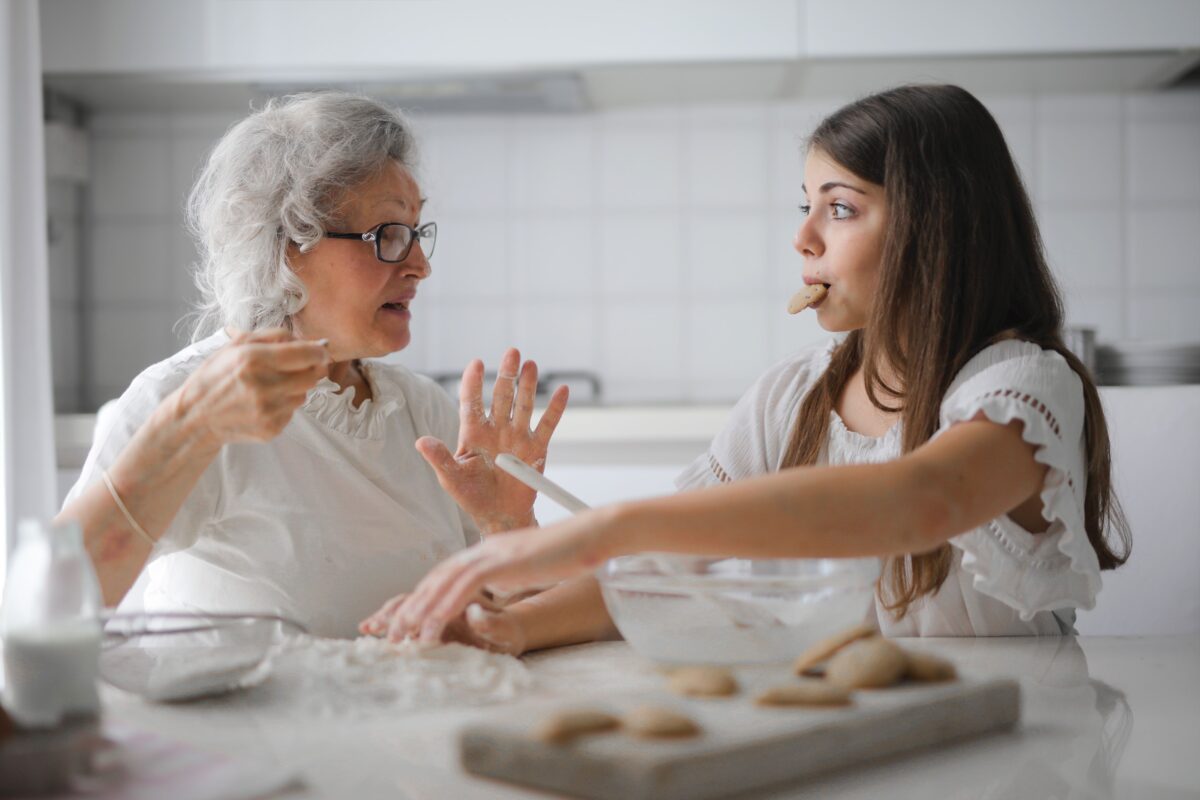
Maybe the biggest reason people are going back to grandparents’ recipes is that they want to feel connected.
Life moves fast these days. Many people have busy schedules, lots of digital distractions, and less time with family. Cooking a traditional meal gives people a chance to slow down and reconnect. It can become a ritual that brings people together. It sparks conversation, teaches skills, and helps younger generations understand their family history in a personal way.
A meal from a grandparent’s recipe isn’t just valuable for its taste. It matters because of what it stands for.
It stands for care, tradition, memories, and belonging.
The Future of Food May Be a Mix of Old and New
Going back to grandparents’ recipes doesn’t mean people are giving up modern food. Convenience foods, restaurants, and technology will still play a big role in daily life.
Instead, the future of cooking might mix the best of both worlds. People can use technology to save old recipes, modern tools to make cooking easier, and traditional knowledge to stay connected to their past. A recipe through generations is more than a set of instructions.