10 Deadly Fashion Trends That Actually Harmed People
Fashion has always been daring, but history proves that some trends were more dangerous than glamorous. From poisonous dyes to crushing garments and flammable costumes, these ten deadly trends show that looking stylish sometimes came at a shocking cost.
Mercury Felt Hats
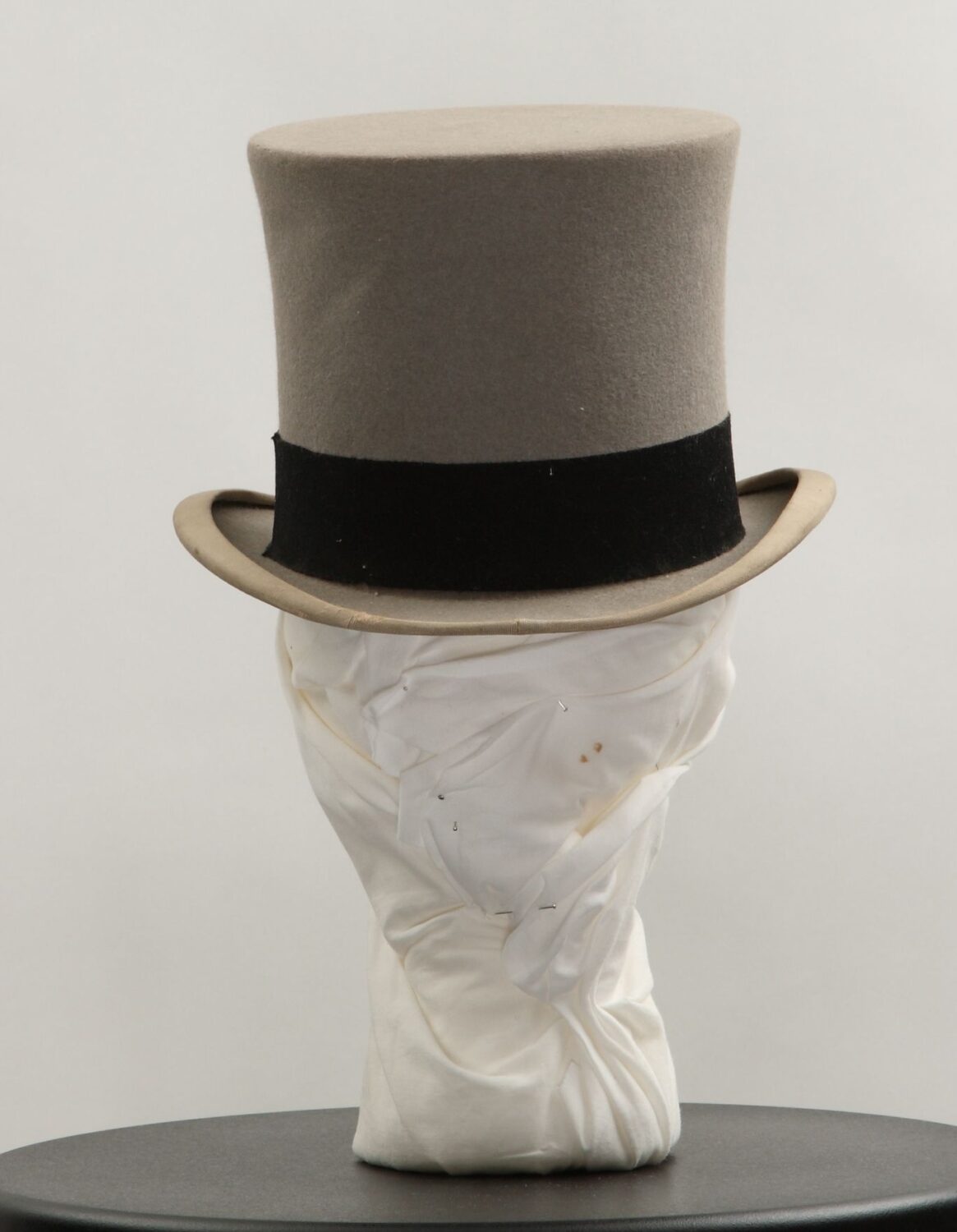
The term “mad hatter” wasn’t a joke. Hat makers treated fur with mercury, leading to tremors, memory loss, and nerve damage. While the finished hats looked polished and refined, the craftsmen paid the real price.
Brushing or steaming treated fur released mercury vapor daily, turning workshops into hidden death zones for anyone involved in production.
Radium Cosmetics
Early 20th-century beauty products included radium to give a radiant glow, but radiation caused burns, cancers, and organ damage.
These products promised modern elegance but delivered invisible, long-term poisoning, proving that even the newest science can be deadly when misused.
Venetian Ceruse
Lead-based makeup promised flawless pale skin, but constant application caused hair loss, organ damage, and infertility. Women chasing porcelain-perfect beauty unknowingly sacrificed their health.
The cycle of applying makeup to hide damage made lead exposure chronic, turning vanity into slow poison.
Arsenic Green Dresses
Victorian women flaunted bright green gowns, but the dye contained arsenic, causing skin irritation, hair loss, and even death. Workers who handled the pigment suffered chronic exposure, while wearers were unknowingly poisoned by the fabric they adored.
Even simple sweat or friction could release more arsenic, making the gorgeous gown a silent hazard. Museums preserve these dresses as a grim reminder that elegance sometimes came with a chemical price.
Tight-Laced Corsets
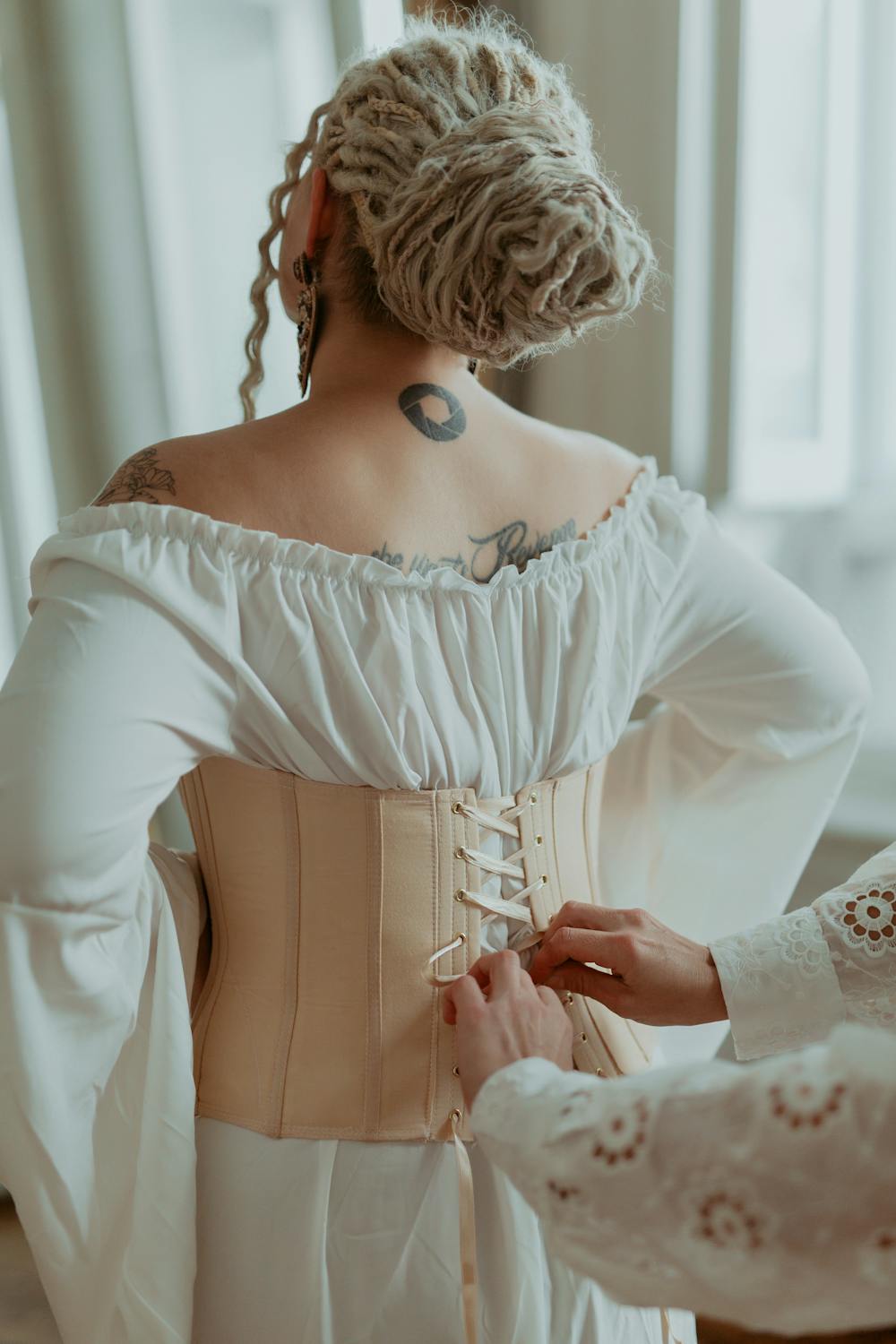
Corsets were designed to create impossibly narrow waists, but extreme lacing restricted breathing, deformed ribs, and caused fainting. Fashion literally reshaped the body, often with lifelong consequences.
Medical analysis of historical corsets shows skeletal changes, proving that the pursuit of the ideal silhouette came at the wearer’s expense.
Crinolines
Steel-hoop skirts added dramatic volume but turned women into walking fire hazards. Open flames, carriage wheels, and doorways became deadly obstacles.
These wide skirts looked majestic but created constant physical risk in everyday situations, turning elegance into danger.
Foot Binding
In China, young girls’ feet were tightly bound to achieve “beautiful” tiny feet, limiting mobility and causing lifelong pain.
The aesthetic demanded decades of suffering, making each step a reminder that beauty could be cruel and controlling.
Chopines
These towering Venetian platform shoes were fashionable but nearly impossible to walk in on their own. Falls and injuries were common, as height and spectacle trumped stability and safety.
The higher the platform, the greater the risk, turning a symbol of status into a precarious trap.
Powdered Wigs
Wigs displayed wealth but collected lice, grease, and stale powders, spreading disease and causing discomfort.
What looked refined and elegant on the outside hid a miniature ecosystem of hazards, revealing that luxury could mask serious health risks.
Flammable Ballet Costumes
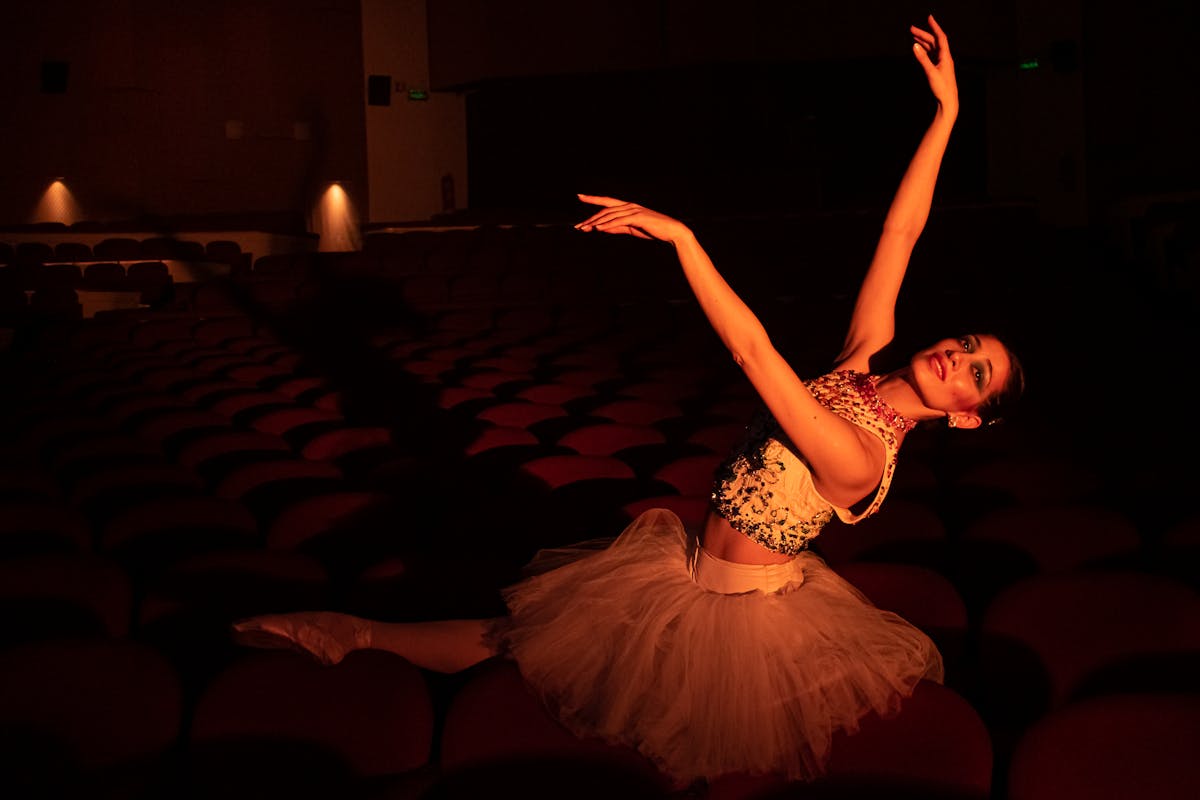
Ballerinas wore layers of tulle under gas-lit theaters, creating a magical effect that could ignite at a moment’s notice.
The ethereal costumes looked light and airy, but one misstep near an open flame could be deadly, making stage glamour a constant threat.
Conclusion
History shows that beauty and danger were often inseparable. From toxic dyes to restrictive garments and flammable fabrics, people risked their health for style and status.
Even today, fashion can carry hidden hazards, so awareness matters more than ever. True elegance should empower, not endanger, reminding us that style is meaningless if it costs health or life.