Trump’s Iran Peace Push Runs Into a Dangerous Wall: Lebanon, Hormuz, and Israel’s Red Line
The war in the Middle East has entered that strange, dangerous stage where everyone says they want peace, but nobody wants to be the first to lower the gun.
On Sunday, President Donald Trump’s push for a broader deal with Iran collided with two explosive realities: Israel’s ongoing military operations in Lebanon and Iran’s threat to keep the Strait of Hormuz shut until it sees a real ceasefire on the ground. What was supposed to be a diplomatic reset in Switzerland instead became a stress test for a peace plan that already looked fragile before the ink had dried.
Vice President JD Vance arrived in Switzerland with U.S. envoys Steve Witkoff and Jared Kushner, hoping to begin serious talks with Iranian officials under a new interim understanding. Qatar and Pakistan were involved as mediators. The setting was polished, the handshakes were careful, and the language was diplomatic. But outside the meeting rooms, the region was still rumbling.
Trump, never one to whisper through a crisis, issued a blunt warning to Tehran. He said Iran must stop its “highly paid proxies” in Lebanon from causing trouble, adding that the U.S. could hit Iran harder if the violence continued. The message was vintage Trump: part threat, part negotiating tactic, part public pressure campaign.
Switzerland Talks, Middle East Fire
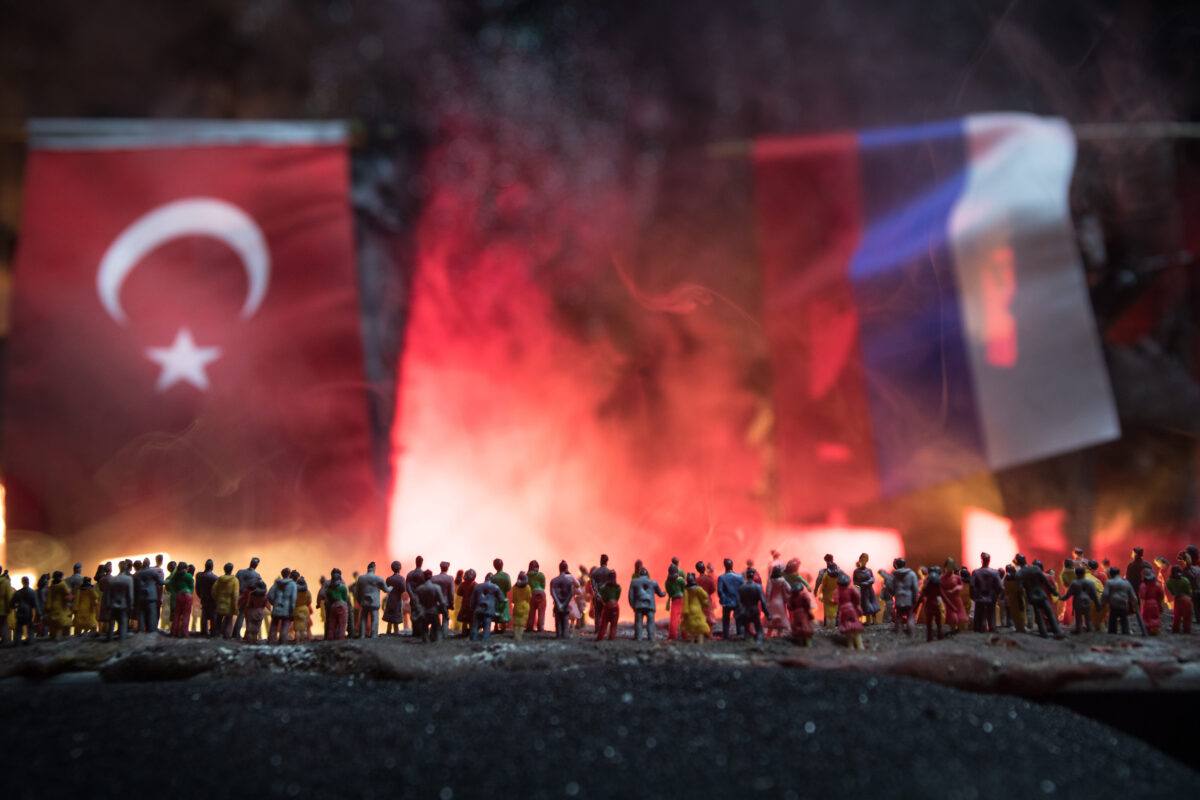
The talks were built around a U.S.–Iran memorandum meant to halt the war, reopen the Strait of Hormuz, and create a 60-day runway for a larger agreement. That future deal would have to tackle the hardest questions: Iran’s nuclear program, sanctions relief, frozen assets, U.S. military posture, and the role of armed groups linked to Tehran.
But Lebanon has become the trapdoor under the whole arrangement.
Iran argues that the agreement requires a halt to fighting on all fronts, including in Lebanon. Israel, however, sees its operations there as a security necessity. Its forces entered southern Lebanon earlier this year after Hezbollah attacks, and Israeli leaders have shown little interest in rushing out while Hezbollah remains armed near the border.
Israeli Defense Minister Israel Katz said Israeli soldiers in Lebanon remain free to act against threats. He also said troops would stay in what Israel calls a security zone inside southern Lebanon. For Israel, that zone is a shield for northern communities. For Hezbollah and the Lebanese side, it looks like occupation by another name.
That disagreement is not a footnote. It is the heart of the crisis.
If Iran cannot show that Lebanon is quiet, it has less reason to keep the Strait of Hormuz open. If Israel believes Hezbollah still threatens its border, it has less reason to pull back. If Trump cannot restrain either side, his peace plan risks becoming a document with no muscle.
Hormuz Turns Into the Pressure Point

The Strait of Hormuz is not just a strip of water. It is one of the world’s most important energy arteries. Oil and gas move through it in volumes large enough to shake global markets when the route is threatened.
Iran’s message was simple: no stable ceasefire in Lebanon, no reliable reopening of Hormuz. Iranian-linked reporting suggested the waterway would not fully reopen until the ceasefire in Lebanon holds and oil waivers are issued. U.S. officials disputed the idea that Iran had successfully closed the strait, saying ships were still moving through.
That disagreement matters because perception alone can move markets. A waterway does not need to be fully blocked to become dangerous. Insurers can panic. Tanker companies can reroute. Oil traders can price in fear before a single consumer sees the bill at the pump.
For ordinary Americans, this is where a distant war can suddenly become personal. A conflict that begins with missiles, maps, and memorandums can end up in grocery delivery costs, airline fares, and gas station signs. Hormuz is the kind of place most people never think about until it starts taking money out of their pockets.
The U.S. Energy Information Administration has described the Strait of Hormuz as one of the world’s most critical oil chokepoints, with roughly one-fifth of global petroleum liquids consumption moving through it in recent years. That gives Iran leverage, but it also creates risk for Tehran. Closing the Strait too aggressively could invite military confrontation and isolate Iran just as it is trying to win economic relief.
Trump Wants a Deal, but the Region May Not Obey
Jackson Lanier, CC BY-SA 4.0, via Wikimedia Commons Licensed Under Bernie Sanders in February 2020
The strange part of this moment is that almost every major player has a reason to want diplomacy, but each also has a reason to keep fighting.
Trump wants a deal that can be sold as strength through negotiation. Iran wants sanctions relief, oil access, and breathing room after months of war. Lebanon wants the fighting to stop. Hezbollah wants survival and relevance. Israel wants to make sure its northern border does not become a launchpad again.
Those goals overlap in speeches. They clash on the battlefield.
Vance tried to lower the temperature, describing the situation as messy but manageable. That may be true. Peace processes often begin in confusion, contradiction, and mistrust. But this one has almost no room for error. One Hezbollah attack, one Israeli strike, one tanker scare, or one Trump post can change the mood in minutes.
The danger now is not just that the talks fail. It is that everyone keeps talking while the facts on the ground render their talk meaningless.
A real deal would require more than signatures. It would require Israel to believe its border is secure, Iran to believe it is getting real economic benefits, Lebanon to regain control of its territory, and the U.S. to keep Hormuz from becoming a global bargaining chip.
That is a heavy lift, even for a White House that likes to move fast and speak loudly.
For now, the Middle East is stuck between a summit table and a battlefield. The diplomats are trying to build a bridge. The soldiers, militias, oil tankers, and political egos are testing whether that bridge can hold.
Trump may want to sell this as the beginning of peace. But Sunday’s events showed something colder: in this war, peace is not a headline yet. It is a fragile bet, and every side is still holding matches near the fuse.