A Federal Judge Struck Down SNAP Soda Bans in Five States: What It Means for Shoppers
Over the past year, state after state has moved to stop SNAP benefits from being spent on soda, candy, and energy drinks. Nearly two dozen states won federal approval for some kind of restriction. To many shoppers, it looked as though the bans were here to stay.
Then a federal court stepped in. In June 2026, a judge in Washington, D.C., ruled that the U.S. Department of Agriculture had overstepped when it approved the restrictions in five states. Those states had to stop enforcing their rules.
The decision has left SNAP households with a patchwork of policies that changes from one state to the next. Here is what the court decided, which states are affected, and what it means the next time you swipe an EBT card.
What the Court Decided
The case is known as Aragon et al. v. Rollins et al. It was filed in March 2026 in the U.S. District Court for the District of Columbia by SNAP recipients from five states. They sued the USDA and Agriculture Secretary Brooke Rollins, arguing that the agency had no authority to let states ban certain foods.
On June 22, 2026, the court agreed with them. According to Nebraska Public Media, Judge Amy Berman Jackson ruled that the USDA relied on the wrong section of law, ignored a congressional definition of food, and failed to allow public comment when it approved the restrictions. The court ordered the approvals vacated.
The USDA’s own list of food restriction waivers now carries a notice beside each of the five states. It says the court ordered that the agency’s approval be vacated and that the waiver’s implementation may not proceed. In plain terms, those state bans are off.
The Five States Affected
The ruling covered Colorado, Iowa, Nebraska, Tennessee, and West Virginia. Each had a different kind of restriction. Colorado’s waiver targeted soft drinks, and West Virginia’s targeted soda.
Nebraska had been the first state in the nation to put a restriction into effect, barring soda and energy drinks from January 1, 2026. Tennessee’s plan was broader, covering processed foods and beverages that included soda, energy drinks, and candy. Iowa’s was the most sweeping, restricting all taxable food items other than food-producing plants and seeds.
Some of these rules were already being enforced when the court ruled, and others had not yet started. Either way, the result was the same. SNAP shoppers in those five states could once again buy the restricted items with their benefits.
What Happened Next in Those States
States had to act quickly. In Nebraska, officials announced on July 2 that SNAP recipients would be allowed to buy soda and energy drinks again. The state health department said it was working with retailers to remove the restrictions from their systems.
That took time. Stores had reprogrammed their registers to block certain products, and each one had to reverse the change. Some shoppers found that an item was still declined for days or weeks after the ruling.
The situation remains unsettled in several places. Crafting Your Home has reported that soda limits stay off the books in Colorado, Iowa, Tennessee, and West Virginia after the court ruling. Nebraska, meanwhile, has filed a new request.
Why Other States Still Have Bans
Many shoppers were surprised to learn that the ruling did not end the restrictions everywhere. The court’s order applied only to the five states named in the lawsuit. Waivers in the other states were left standing.
That is why bans in states such as Arkansas, Florida, Idaho, Indiana, Louisiana, Oklahoma, Texas, and Utah remain in effect. It is also why new ones have continued to begin. On November 1, 2026, Montana, North Dakota, South Carolina, and Virginia started their own restrictions on sugary drinks, with candy also restricted in three of them.
Trade publication FoodNavigator reported on that expansion and noted that the court ruling vacated the waivers in the five plaintiff states and not elsewhere. More states are scheduled to follow in 2027. The legal reasoning in the case, however, could be used to challenge other waivers in the future.
Will the Ruling Stand?
The fight is not over. The convenience store industry’s trade association, which tracks the issue for retailers, has reported that the USDA appealed the decision. An appeals court could uphold the ruling, reverse it, or send it back for more review.
If the ruling is upheld, it could encourage similar lawsuits in other states. If it is reversed, the five states might be able to restore their original restrictions. Either outcome would affect millions of SNAP households.
Some states are not waiting. The USDA table now lists a new Nebraska plan with a target date of December 1, 2026, along with a notice of request for public comments. That added step appears to respond to one of the problems the judge identified.
What Supporters and Critics Say
Supporters of the bans say a nutrition program should not pay for soda and candy. The USDA has described the waivers as a way to restore nutritional value to SNAP and improve health outcomes. Many governors have promoted them as common-sense reform.
The people who brought the lawsuit argued that federal law defines food broadly and that the USDA cannot rewrite that definition by itself. They also said the public should have had a chance to weigh in before the rules changed. The court agreed on those points.
Anti-hunger advocates add that the restrictions create stigma and confusion at the checkout. Retailers say frequent changes are costly. Both groups have asked for clearer, more consistent rules.
What It Means When You Shop
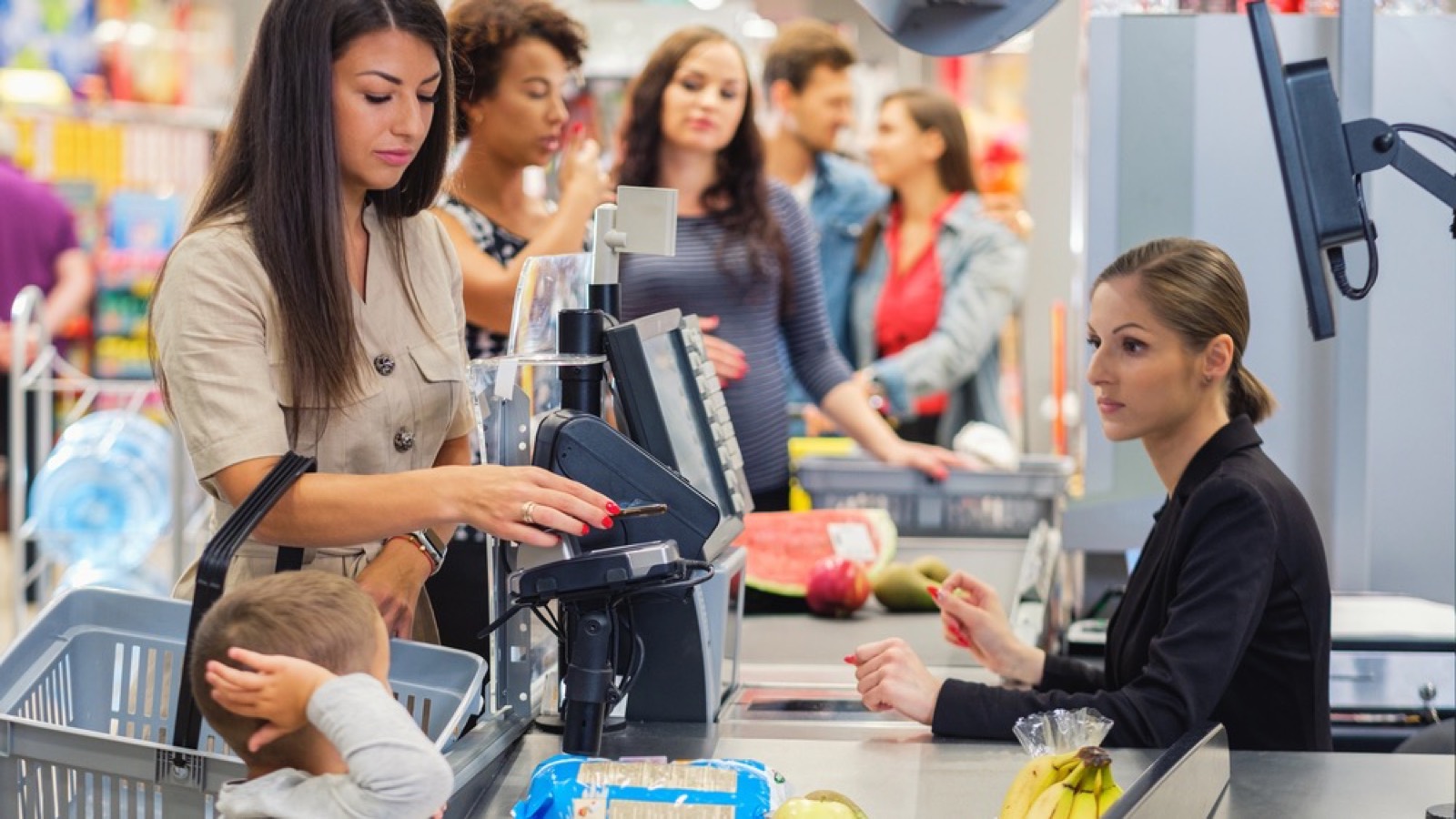
For shoppers, the most important thing is to know which rules apply in your state today. If you live in Colorado, Iowa, Tennessee, or West Virginia, soda and other previously restricted items can currently be bought with SNAP. In Nebraska, the same is true for now, but that could change if the state’s new plan takes effect.
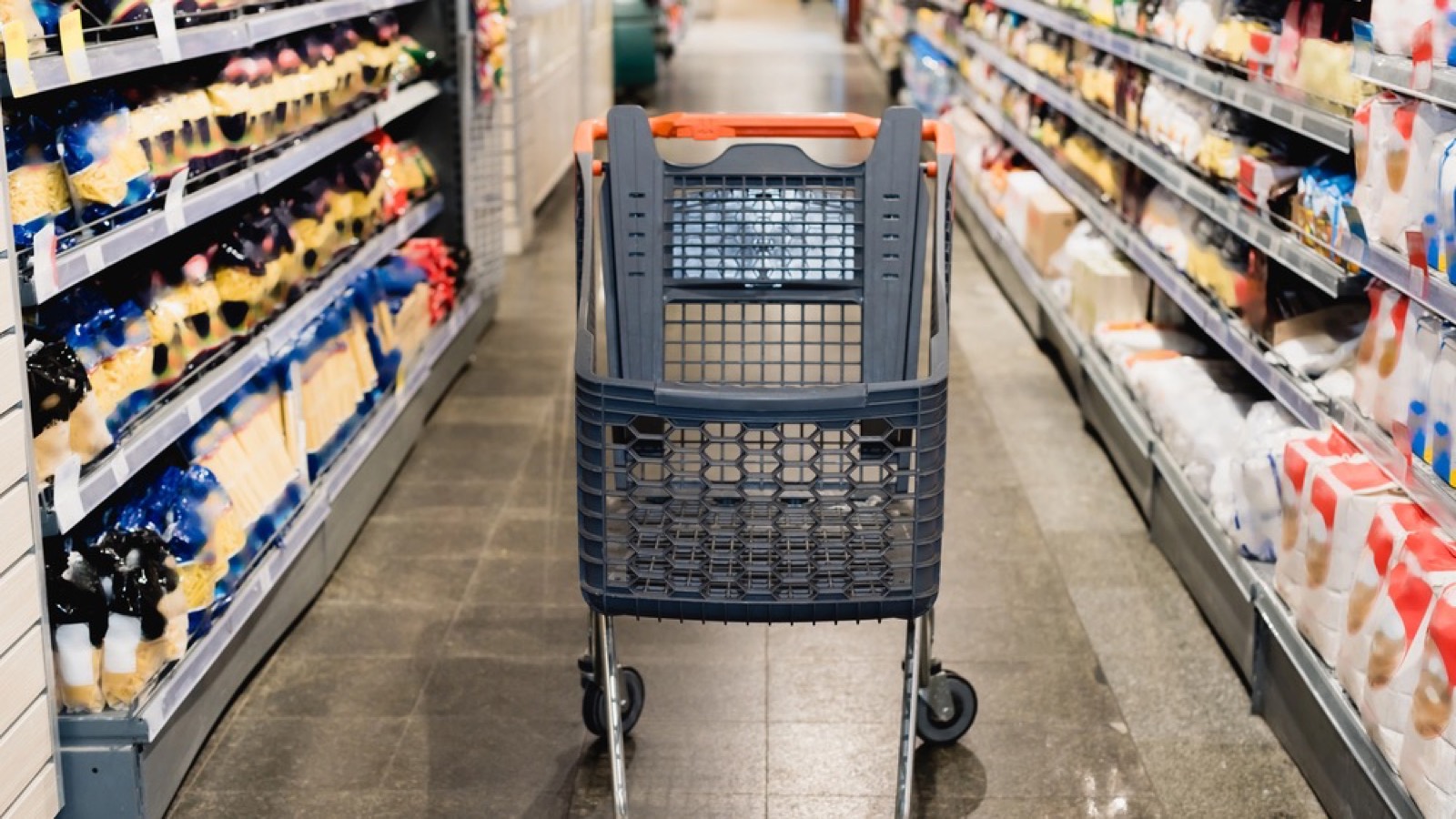
If you live in a state with an active waiver, the restrictions still apply. Your EBT card will not cover the banned items, and you will need another way to pay for them. Your monthly benefit amount is not affected.
In every state, the basic rules are the same as ever. SNAP covers staple foods such as produce, meat, dairy, bread, and cereal, as shown on the USDA’s list of eligible food items. It has never covered alcohol, tobacco, hot prepared foods, or household goods.
Keeping Up With the Changes
Rules have shifted several times this year, and more changes are likely. State human services agencies are the best source for current information. Many stores also post signs when a restriction begins or ends.
It can help to read a state-by-state summary now and then. This overview of the limits coming in 2027 to Kansas, Missouri, Wyoming, Ohio, and Hawaii is one place to start. Shoppers near a state border should check both sides.
The court’s decision showed that the question of what SNAP should cover is far from settled. Until the appeals are finished, families will have to keep one eye on the news and the other on the receipt.