Former Olympian Among Those Charged After Reflecting Pool Damage Sparks Trump’s Repair Order
The Lincoln Memorial Reflecting Pool has long been one of Washington’s most photographed landmarks, but this weekend it became the center of a strange and politically charged vandalism case.
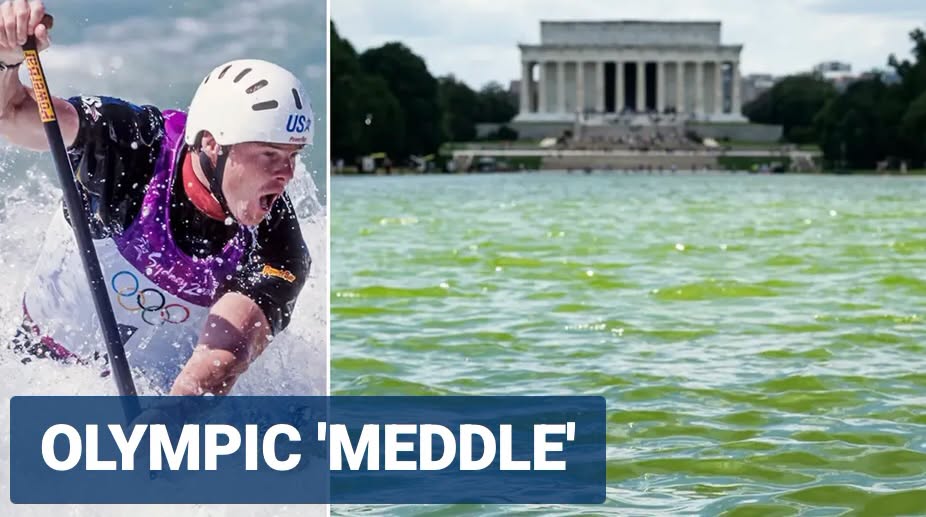
Multiple people were reportedly arrested after incidents near the newly refurbished Reflecting Pool, with President Donald Trump saying the damage was serious enough that much of the basin may need to be drained for repairs. Among those arrested was David Hearn, a 67-year-old former U.S. Olympic canoeist who now faces a misdemeanor charge of destruction of government property.
The case has drawn national attention because of the site involved, the timing of the damage, and the unusual presence of a former Olympian in the middle of it. The Reflecting Pool had only recently undergone a multimillion-dollar restoration, making the alleged damage especially frustrating for officials and the public.
Trump Says the Damage Was an “Affront” to National Monuments
Trump reacted sharply in a Truth Social post, saying vandals had damaged the pool after workers had completed a major refurbishment. He claimed suspects used a knife or blade to create a long gash and also alleged that corrosive chemicals were poured into the basin.
The president said administration officials had already met with contractors and that the pool would likely need to be partially drained to begin repairs. He described the damage as an insult to both George Washington and Abraham Lincoln, whose monuments are reflected by the pool when the water is clear and still.
Trump also promised quick action. He said repairs would begin immediately and argued that the pool had looked better after the recent restoration than it had in decades.
The strong response turned what might have been a local property damage case into a national political flashpoint. The Reflecting Pool is not just a tourist stop. It is part of the symbolic heart of the National Mall, a place tied to presidential history, civil rights marches, military memorials, and millions of visitors each year.
A Former Olympian Says He Did Not Vandalize Anything
One of the people arrested was identified in reports as David Hearn, a former Olympic canoe racer from Bethesda, Maryland. Hearn reportedly competed in three Olympic Games and later remained connected to watercraft through his professional background.
His version of events is very different from the accusation attached to his arrest. Hearn reportedly said he had just finished a long bike ride when he noticed a partially detached piece of material in the pool. He said he reached into the water to touch it out of curiosity and did not destroy, break, peel, or remove anything.
That denial matters. Being charged does not mean someone has been convicted, and Hearn’s public comments suggest he intends to fight the idea that he intentionally damaged the site.
Reports also described a separate claim that Hearn may have interfered with cleanup equipment near the pool, but he denied grabbing a hose and said his bike tire may have touched it. For now, the case remains an allegation, and the court process will determine what prosecutors can prove.
The Pool Was Already Under Scrutiny

The controversy comes at a difficult moment for the Reflecting Pool restoration project. The site had already faced questions after reports of peeling paint and algal growth appeared shortly after the renovation was completed.
That detail adds another layer to the story. If the pool already had visible problems before some of the arrests, investigators may need to separate alleged vandalism from construction, maintenance, material, or water-quality issues.
Trump has framed the damage as deliberate sabotage. Some other reports have been more cautious, noting that public evidence has not fully explained how much of the damage came from alleged vandalism and how much may have been connected to the recent restoration problems.
That uncertainty is part of why the story is gaining so much attention. Americans are seeing images of a famous public landmark looking damaged, hearing accusations of vandalism, and also hearing at least one suspect say he was wrongly swept into the situation.
Security Has Reportedly Increased Around the Landmark
The arrests have reportedly triggered a security surge around the Reflecting Pool. That is not surprising, given the pool’s location between the Lincoln Memorial and the Washington Monument.
The National Mall is one of the most visible public spaces in the country. It is open, symbolic, and difficult to protect every minute of the day. When a high-profile landmark is allegedly damaged, officials often respond quickly because the issue becomes about more than repair costs.
It becomes about public trust.
Visitors expect national monuments to be protected. Taxpayers expect expensive renovation projects to last longer than a few weeks. And when the president publicly demands consequences, pressure grows on law enforcement, the National Park Service, and contractors to explain what happened.
A Small Case With a Bigger Public Meaning
At first glance, this may seem like a strange story about paint, water, algae, and one former athlete near a pool. But the Reflecting Pool is not an ordinary public feature.
It is where Americans have gathered for history-defining moments. It frames two of the country’s most recognizable monuments. It appears in schoolbooks, documentaries, protests, inaugurations, and family vacation photos.
That is why the damage there feels bigger than ordinary vandalism. It touches a place many Americans see as shared national property.
Still, the facts must be handled carefully. Trump has made strong claims about chemicals, blades, and deliberate destruction. Hearn has denied causing damage. Federal authorities and court proceedings will matter more than viral videos or political posts.
For now, the case leaves Washington with several questions. Who caused the damage? How much of the pool’s condition came from alleged vandalism? Did the recent restoration hold up properly? And how quickly can one of the nation’s most famous public spaces be repaired?
The Reflecting Pool was built to mirror America’s monuments. This week, it is reflecting something else too: the country’s anger over public damage, distrust in official explanations, and the thin line between a national landmark and a national argument.