The 10 Most Polluted Places on Earth and Their Toxic Legacies
Pollution isn’t always obvious. It doesn’t always manifest as a blackened sky or an industrial wasteland. Often, it’s the hidden contamination that poses the greatest threat, radiation in abandoned towns, chemicals leaching into the ground, or heavy metals poisoning water sources.
The following places are the unfortunate markers of humanity’s struggle with toxic legacies. These locations have borne the brunt of industrial greed, poor regulation, and negligence, and their environmental crises have left permanent scars that continue to threaten millions of lives.
Chernobyl, Ukraine
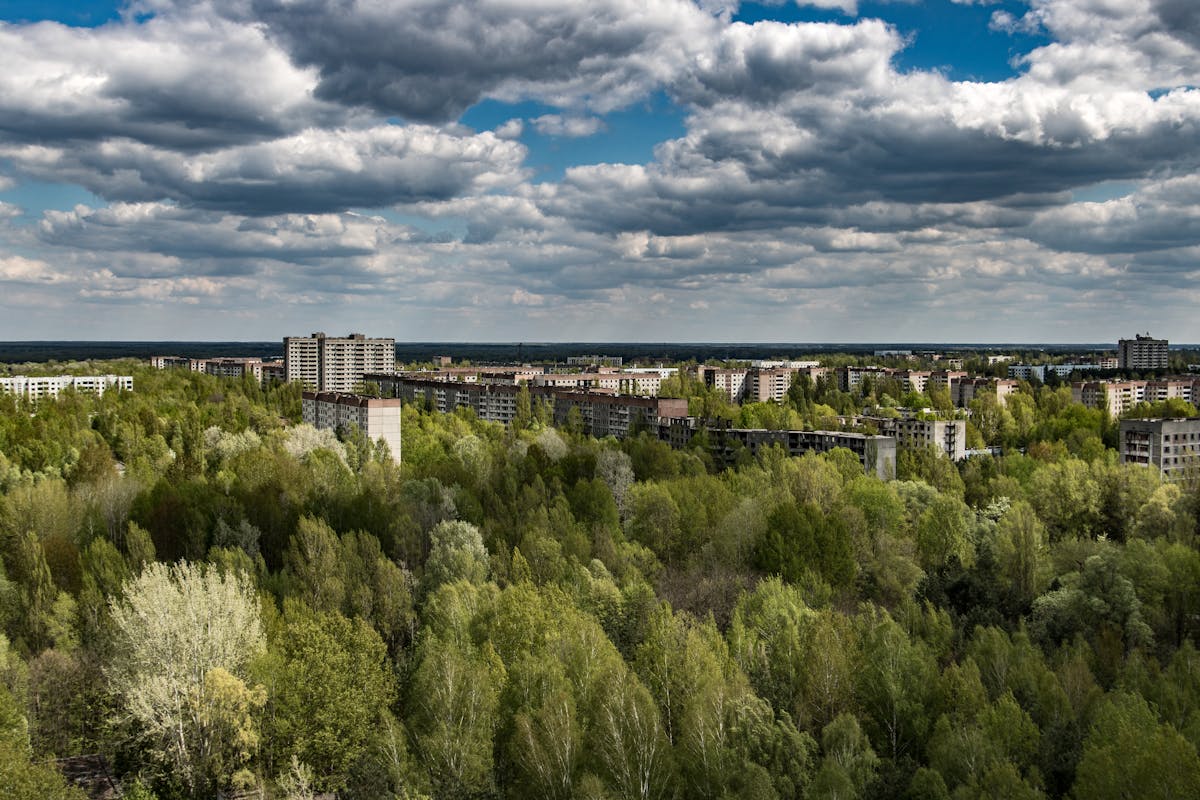
Chernobyl’s name is forever associated with the worst nuclear disaster in history. The radioactive fallout from the 1986 meltdown still lingers in the environment, affecting both the land and its inhabitants.
The 30-kilometer exclusion zone around the power plant remains largely uninhabited, but the surrounding areas are still plagued by elevated radiation levels, with health problems like cancer and respiratory issues continuing to affect the local populations.
While some areas have seen gradual improvement in radiation levels, the legacy of Chernobyl serves as a stark reminder of the catastrophic effects nuclear disasters can have on both the environment and human health.
Kabwe, Zambia
In the heart of Zambia, Kabwe is infamous for the legacy of lead poisoning caused by decades of mining operations. Lead contamination in the soil is rampant, with children’s blood lead levels often exceeding safe limits by alarming margins.
The mining town’s atmosphere has been poisoned by years of heavy metal exposure, and while the government and organizations have made some strides in cleanup, Kabwe remains a toxic reminder of how unchecked industrial practices can have a lasting impact on health.
The effects of lead exposure are devastating, with permanent damage to children’s neurological development, leading to long-term societal challenges.
La Oroya, Peru
La Oroya, a mining town nestled in the Peruvian Andes, is a tragic example of industrial pollution. For years, toxic emissions from the local metal processing plant have poisoned the environment, raising lead levels in the blood of almost every child in the area.
The town’s residents suffer from severe respiratory problems, and the surrounding landscape is barren, stripped of vegetation by acid rain caused by sulfur emissions. Despite some attempts to clean up the area, La Oroya’s pollution has created a public health crisis that continues to this day, with children bearing the brunt of its effects.
Norilsk, Russia

Located in Siberia, Norilsk is one of the most polluted industrial cities in the world, and its heavy metal smelting operations are largely responsible for its toxic legacy. The air in Norilsk is thick with sulfur dioxide, and the snow is often blackened by the pollutants released from the local smelters.
Life expectancy is dramatically lower than the Russian average, with workers and children particularly vulnerable to respiratory diseases, birth defects, and cancer. Norilsk’s pollution is a painful reminder of how unchecked industrial progress can devastate both human health and the environment.
Hazaribagh, Bangladesh
Hazaribagh is known for its leather industry, which for years has polluted the area with toxic chemicals, including chromium, a known carcinogen. The local tanneries release untreated wastewater into the surrounding environment, contaminating the soil and water sources.
Residents suffer from skin diseases, respiratory problems, and the harmful effects of prolonged exposure to toxic chemicals. The government has attempted to relocate the tanneries and improve conditions, but the damage has already been done, and Hazaribagh remains one of the most polluted places in the country.
Citarum River, Indonesia
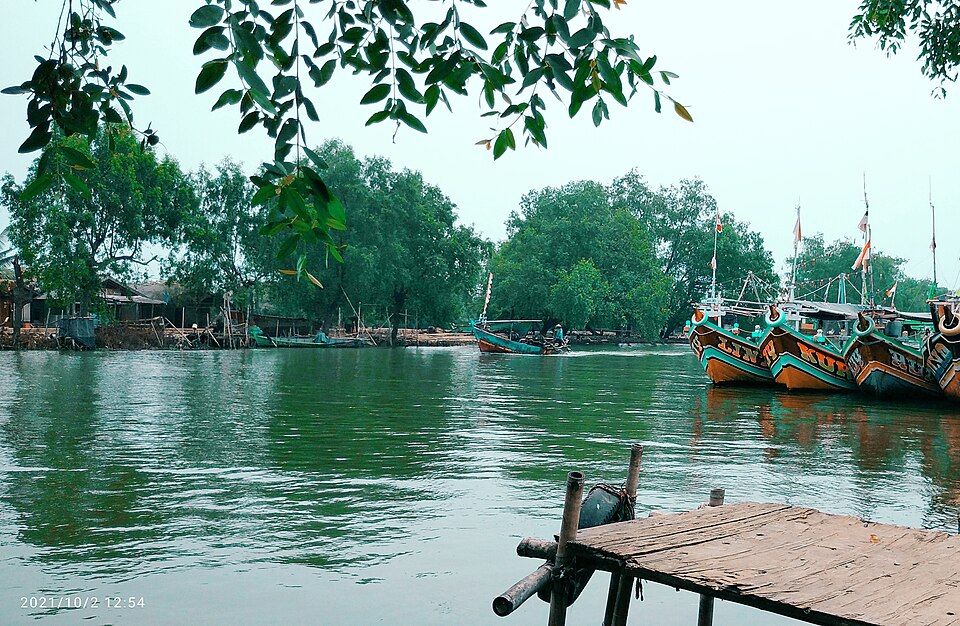
The Citarum River, flowing through West Java, is often referred to as the world’s most polluted river .Serving millions of people who depend on it for water, agriculture, and industry, the river has become a toxic waste dump for a variety of pollutants, including industrial runoff, sewage, and agricultural chemicals.
The water is thick with plastics, and heavy metals like mercury and lead poison the ecosystem, affecting both the local wildlife and human populations. Despite efforts to clean it up, the Citarum’s pollution levels remain alarmingly high, making it a significant environmental and health hazard.
Agbogbloshie, Ghana
Agbogbloshie, located in Accra, Ghana, has gained global notoriety as one of the largest e-waste processing sites in the world. Informal workers burn discarded electronics, releasing harmful toxins such as mercury, lead, and cadmium into the air, soil, and water.
This practice has created a toxic environment that threatens both the health of workers and nearby residents, with lead poisoning and respiratory diseases being widespread. The e-waste dumping problem is compounded by the lack of a structured recycling system in the region, exacerbating the public health crisis.
Ogoniland, Nigeria
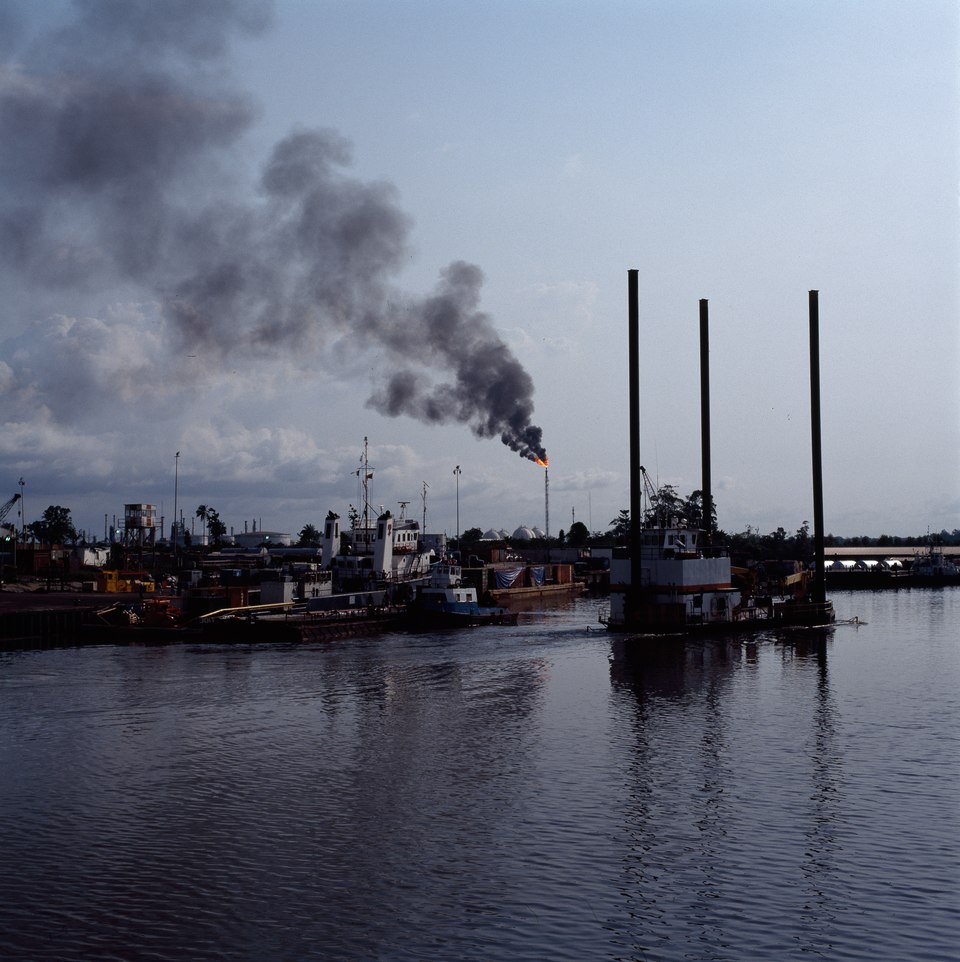
The Niger Delta, particularly Ogoniland, is home to one of the world’s most severe oil pollution crises. Decades of oil spills, gas flaring, and inadequate cleanup efforts have resulted in widespread environmental damage.
The land, rivers, and air are poisoned, leading to severe health problems for local communities, including cancers, respiratory issues, and neurological damage. Despite efforts by the United Nations Environment Programme(UNEP) to remediate the region, Ogoniland remains a hotspot of contamination, with little progress in restoring the environment to a livable state.
Sukinda Valley, India
Sukinda Valley in Odisha is one of the largest sources of chromium pollution globally. The area, rich in chromite ore deposits, is home to several open-pit mining operations that leach hexavalent chromium into the surrounding environment.
Chromium is a toxic carcinogen that causes severe health problems, including lung cancer, asthma, and gastrointestinal diseases. Despite numerous health risks to local communities, Sukinda remains a major chromite production area, and its toxic legacy continues to harm generations of workers and residents.
Dzerzhinsk, Russia
Dzerzhinsk, once a Soviet chemical weapons production center, remains one of the most chemically contaminated cities in the world. Decades of chemical production left behind massive quantities of hazardous waste, including arsenic, dioxins, and persistent organic pollutants.
These chemicals leach into the soil and water, causing severe health problems for the local population, including cancers, reproductive issues, and respiratory diseases. While some cleanup efforts have been made, the city remains a toxic zone, with dangerous levels of pollution continuing to affect the health and quality of life for its residents.
Conclusion
The most polluted places on Earth highlight the long-lasting consequences of industrialization, poor regulation, and environmental neglect. These locations serve as stark reminders that pollution is not just an environmental issue but a profound public health crisis.
While efforts to clean up and rehabilitate these areas are underway, the challenges are immense, and much more needs to be done to protect vulnerable communities and prevent pollution from continuing to damage human health for generations to come.
The stories of these polluted hotspots emphasize the importance of strong environmental policies, effective waste management, and corporate responsibility in safeguarding the future of our planet.