10 Grocery Tips To Avoid Ruining Your Budget
Grocery shopping can feel like a never-ending expense, especially with all the marketing tricks designed to make us spend more. From tempting end-of-aisle displays to eye-level price placements, stores are designed to push us into buying things we don’t need.
However, with a few savvy strategies, we can keep our grocery bills in check without sacrificing quality or nutrition. Here are 10 practical tips that will help you save money while shopping smart.
Plan Meals Around Weekly Sales

The key to cutting grocery costs is planning meals based on what’s on sale. Most stores advertise discounted items in weekly circulars, so taking advantage of these promotions can make a significant difference.
Focus on building your meals around low-cost proteins, seasonal produce, and pantry staples. By crafting a menu from sale items, you ensure that you’re getting the best deals without sacrificing flavor or variety.
Use Store Apps for Extra Savings
Many supermarkets offer store apps that provide additional discounts and digital coupons. These apps often feature promotions that aren’t available in the paper circulars or on the shelves.
By downloading your store’s app and loading discounts before shopping, you can stack savings on top of regular sales, making every trip to the store more affordable. Plus, some apps let you earn loyalty points or cash back, giving you even more value for your money.
Stick to a Shopping List
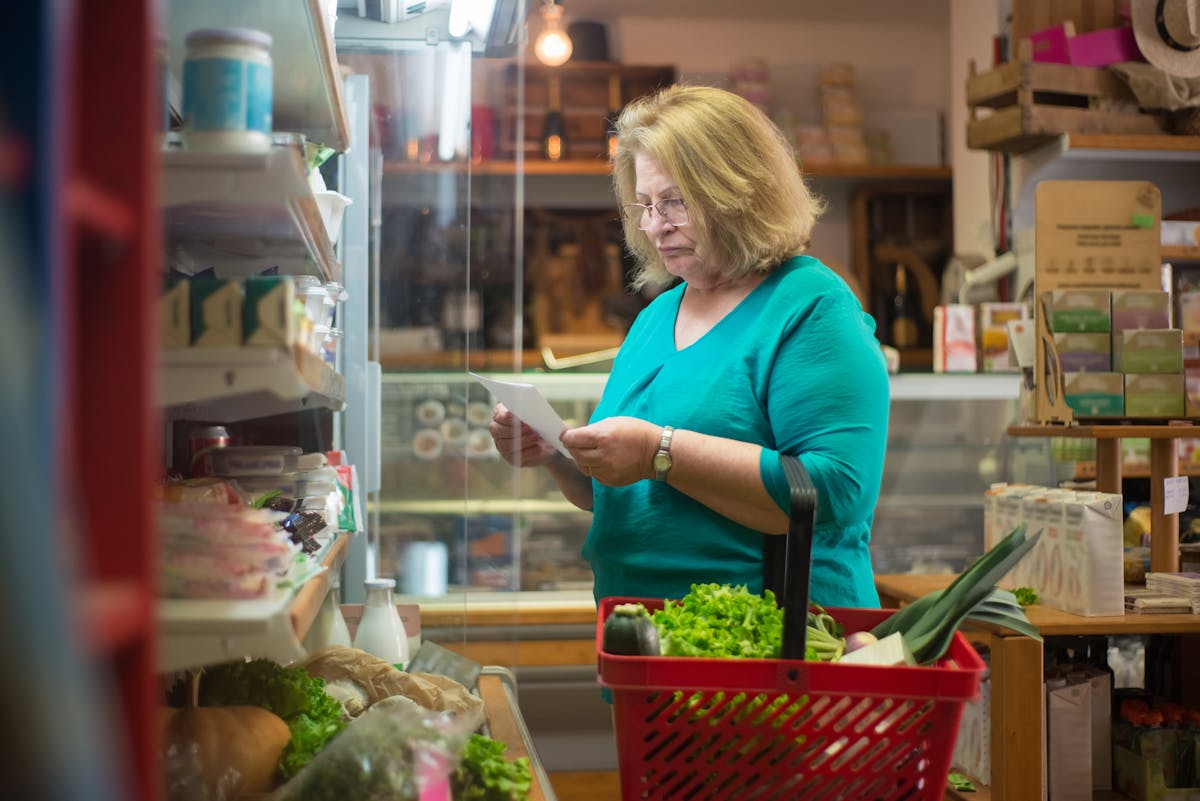
Impulse buying is one of the fastest ways to inflate your grocery bill. Before you head to the store, make a detailed shopping list based on your meal plan for the week.
Once you have your list, stick to it,avoid wandering down the aisles that contain tempting snacks, sweets, or new products that weren’t part of your plan. Staying disciplined will help you buy only what you need and avoid unnecessary purchases that can add up quickly.
Choose Store Brands
Store brands often offer the same quality as name-brand products at a fraction of the price. From pantry staples like pasta and rice to dairy and frozen foods, many store-brand items are made by the same manufacturers that produce the name-brand versions.
Switching to store brands can save you a substantial amount without compromising the taste or quality of your meals. Over time, this simple habit can make a big difference in your overall grocery spending.
Buy Larger Containers When Possible
Buying in bulk is a simple way to lower the cost per unit of many grocery items. Whether it’s grains, nuts, canned goods, or cleaning products, larger containers often offer a better value.
By purchasing bigger packages, you reduce the overall cost per ounce or unit, saving money in the long run. Just be sure you can store and use the products before they expire, as bulk buying doesn’t save you money if the items go to waste.
Take Advantage of Frozen Produce

Frozen vegetables and fruits are often more affordable than their fresh counterparts and can last much longer. While fresh produce is great for salads and raw snacks, frozen produce works just as well in soups, casseroles, stir-fries, and smoothies.
The added bonus is that frozen produce is typically picked at peak ripeness and frozen immediately, so you’re still getting the full nutritional value. Stocking up on frozen vegetables can help you save money without sacrificing the healthiness of your meals.
Avoid Prepared and Pre-Cut Foods
While pre-cut vegetables, ready-to-eat salads, and other convenience foods may seem like a time-saver, they often come at a higher price. By buying whole ingredients and doing your own prep, you can save a significant amount of money.
For example, a bag of pre-cut carrots or chopped onions might be convenient, but purchasing the whole vegetable and doing the chopping yourself can reduce the cost by half or more. Taking a little extra time to prepare meals from scratch can result in big savings over time.
Shop at Discount and International Markets
While major grocery chains are convenient, they aren’t always the cheapest option. Discount supermarkets and international markets often offer lower prices on staples like grains, beans, spices, and produce.
International markets, in particular, can be a great place to find affordable and fresh ingredients that may be more expensive at mainstream stores. By exploring these markets, you can discover new ingredients while keeping your grocery bill under control.
Stock Up on Staples When They’re On Sale
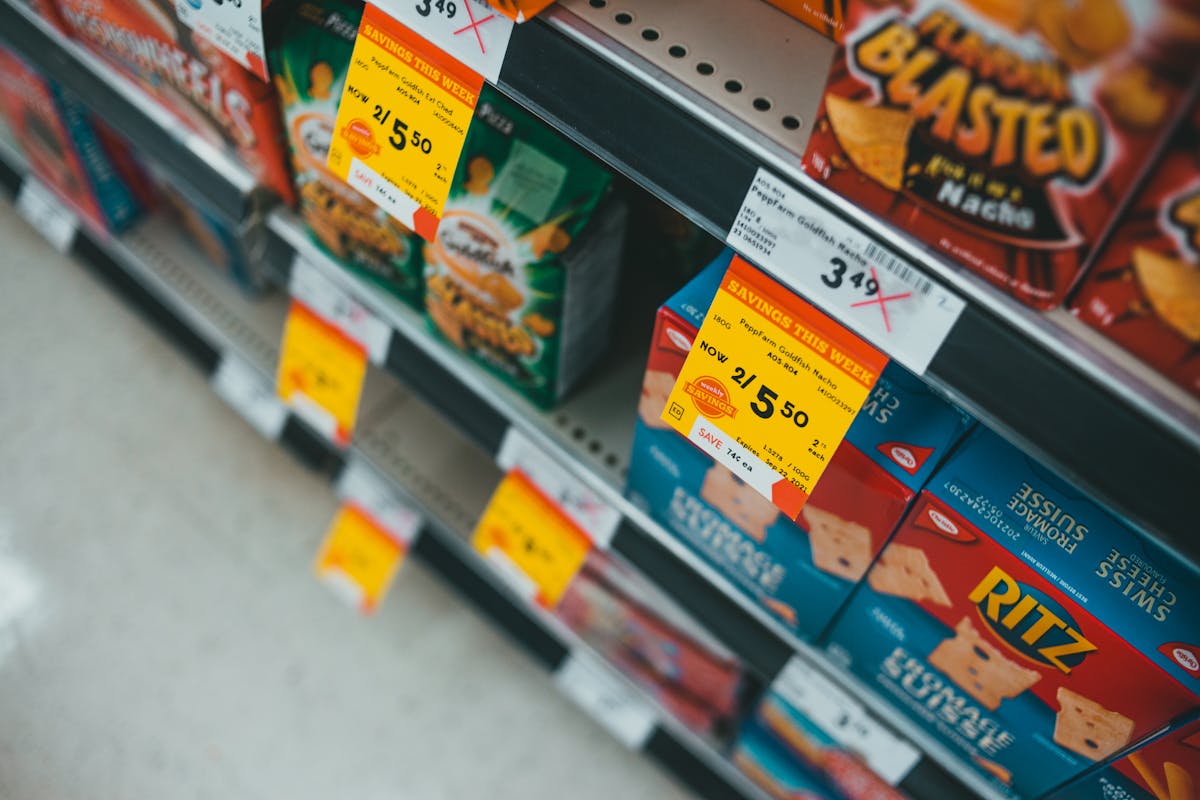
When you find a great deal on pantry staples like rice, pasta, canned goods, or cooking oil, don’t hesitate to stock up. These items have a long shelf life and can be used in a variety of meals. By buying them in bulk when they’re on sale, you ensure that you won’t have to pay full price next time you need them.
Keep an eye on sale ads and plan your stockpile accordingly. This simple strategy can help you avoid paying full price for essential items.
Check for Price Mistakes and Coupons at Checkout
Before leaving the store, always double-check your receipt for errors. Sometimes items are scanned incorrectly, or discounts may not apply as expected. If you catch a mistake, you can often get a refund or have the item re-scanned.
Additionally, take a moment to scan your receipts for any manufacturer coupons or offers that you can use on your next shopping trip. This small habit can help you get back some of your hard-earned cash and ensure you aren’t paying more than you need to.
Conclusion
Saving money at the grocery store doesn’t have to mean cutting corners on quality. By using smart shopping strategies, such as planning meals around sales, sticking to a shopping list, and choosing store brands, you can significantly reduce your grocery expenses.
Take advantage of digital apps, buy in bulk when it makes sense, and avoid the convenience of pre-cut foods. With a little planning and discipline, it’s entirely possible to eat well without breaking the bank.