Evaluating the Role of Beauty Standards in Eating Disorders
In recent years, there has been a growing awareness surrounding the damaging effects of societal beauty standards. These standards, which often emphasize slimness and a particular body type, can have far-reaching consequences on mental health, particularly in relation to eating disorders.
Eating disorders such as anorexia nervosa, bulimia nervosa, and binge-eating disorder are complex conditions influenced by a range of factors, with beauty standards playing a significant and often pivotal role. This article delves into the relationship between beauty standards and eating disorders, exploring the psychological, societal, and media-driven factors that perpetuate unhealthy body image ideals and their devastating impact.
The Influence of Beauty Standards on Self-Worth
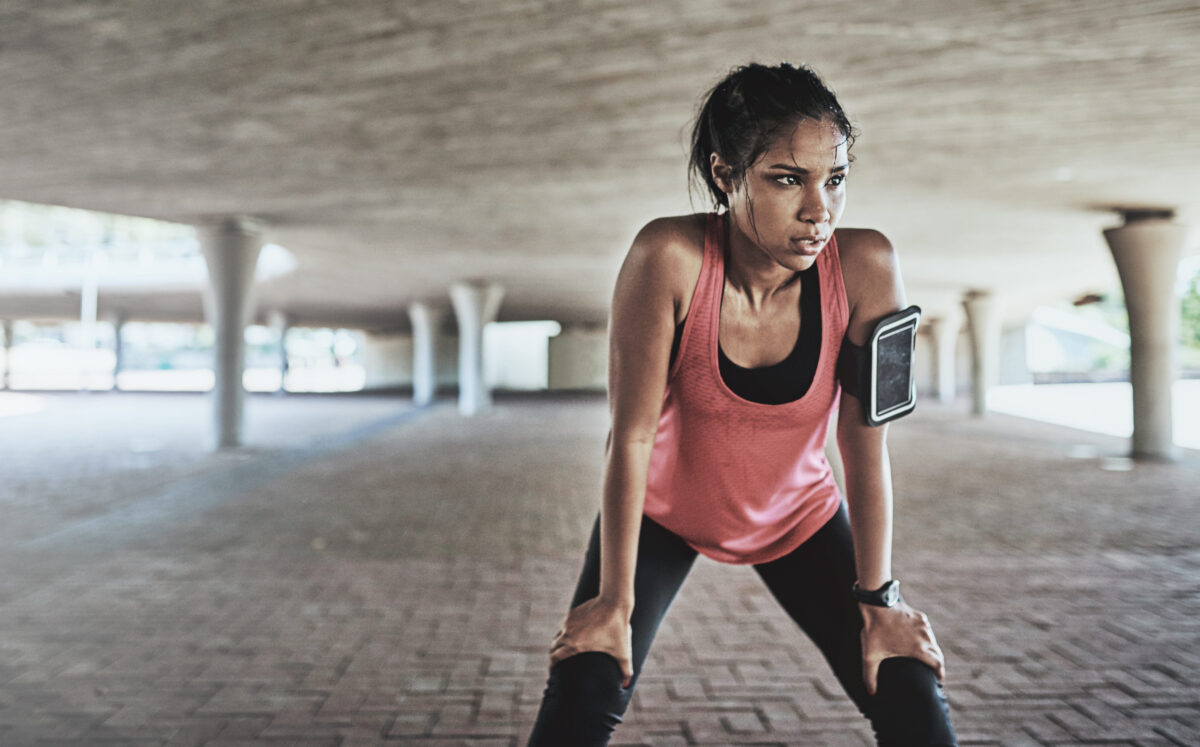
Beauty standards are not a recent phenomenon; they have evolved over centuries and are deeply embedded in many cultures worldwide. However, with the advent of mass media, the rise of social media platforms, and the increasing prevalence of influencer culture, these standards have become more pervasive and difficult to escape. Today, the ideal body type is often depicted as slim, toned, and youthful, with little room for deviation. These images dominate advertisements, magazines, movies, and social media platforms, constantly reinforcing a narrow definition of beauty.
For many individuals, particularly young people, these ideals can profoundly affect their self-worth. When someone’s physical appearance is constantly scrutinized and compared to these societal benchmarks, it can lead to a sense of inadequacy and dissatisfaction with one’s body. This discontent can trigger unhealthy behaviors such as extreme dieting, excessive exercise, or disordered eating in an attempt to attain the unattainable ideal. The pressure to conform to these standards is so intense that it often overrides an individual’s physical and emotional well-being, creating a cycle of self-destructive behaviors.
Social Media and Its Role in Perpetuating Beauty Standards
One of the most significant contributors to the propagation of beauty standards is social media. Platforms like Instagram, TikTok, and Facebook offer an endless stream of images that emphasize the “ideal” body type, often achieved through highly curated and edited photos. Many influencers and celebrities post filtered, airbrushed images that promote a polished, flawless appearance, rarely showcasing the reality of their bodies or the struggles they face behind the scenes.
This constant exposure to perfect images can create a distorted sense of reality for viewers. Studies have shown that social media can exacerbate feelings of body dissatisfaction, especially when individuals engage in upward social comparison, comparing their own bodies to those they see online. The pursuit of “Instagram perfection” can trigger feelings of inadequacy, leading to unhealthy behaviors such as restrictive eating, extreme dieting, or binge eating.
Moreover, the culture of “likes,” comments, and validation on social media platforms adds another layer of complexity. Users often equate their self-worth with the approval they receive online, further reinforcing the importance of appearance and beauty. In extreme cases, individuals may develop an unhealthy obsession with their body image, focusing all their energy on achieving a certain look, which can fuel the development of eating disorders.
The Psychological Impact of Beauty Standards
The psychological toll of beauty standards cannot be understated. For individuals with eating disorders, these standards can serve as a constant reminder of their perceived failure to measure up. The desire to meet these standards is often driven by deep insecurity and low self-esteem. People struggling with eating disorders may feel that their worth is tied solely to their appearance, which can lead to intense feelings of shame, guilt, and hopelessness when they are unable to conform to societal ideals.
The internalization of beauty standards can lead to a distorted self-image, where the individual views their body as inadequate or flawed, regardless of their actual size or shape. In some cases, this negative body image is accompanied by an overwhelming fear of gaining weight, which further fuels disordered eating behaviors. The obsession with thinness becomes all-consuming, leading individuals to engage in unhealthy habits such as restrictive dieting, purging, or extreme exercise in an attempt to achieve the “perfect” body.
The impact of beauty standards is particularly profound among adolescents, who are still developing a sense of identity. During this formative period, young people are highly vulnerable to societal influences. Research has shown that girls, in particular, are more likely to internalize societal beauty standards, which can contribute to the development of body dissatisfaction, low self-esteem, and eating disorders. The pressure to conform to these ideals during adolescence can create long-term psychological consequences, including anxiety, depression, and an increased risk of developing eating disorders.
Cultural and Societal Pressure to Conform
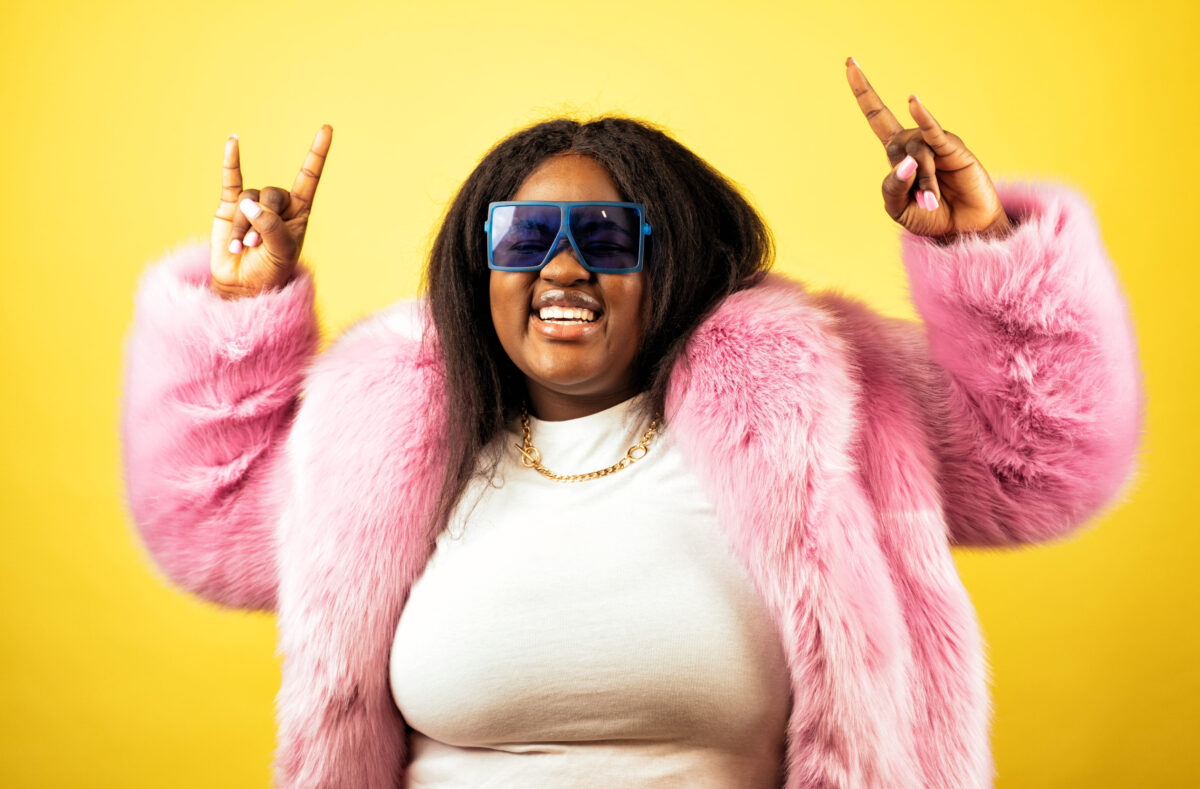
Cultural and societal pressures also play a critical role in shaping beauty standards. In many cultures, beauty is seen as synonymous with success, worthiness, and social acceptance. Individuals who fail to meet these standards may feel marginalized or excluded, which further reinforces the belief that beauty is the most important aspect of a person’s identity. This belief is particularly pervasive in industries such as fashion, entertainment, and advertising, where there is often little room for diversity in body types.
The rise of “plus-size” models and the growing body positivity movement have challenged traditional beauty standards, advocating for inclusivity and self-acceptance. However, despite these movements, the mainstream beauty ideal remains largely unchanged, with slimness still reigning supreme. This perpetuates the idea that individuals who do not fit the narrow definition of beauty are less valuable, contributing to the development of negative body image and eating disorders.
Moreover, beauty standards are often racialized, with certain body types being deemed more desirable based on race or ethnicity. For example, in many Western cultures, the thin, blonde, and white body is often idealized, leaving people of color and those with different body types to feel marginalized. This intersection of beauty standards and racial identity can create additional layers of stress, body dissatisfaction, and a higher risk of developing eating disorders.
The Role of the Media in Shaping Beauty Ideals

The media plays an instrumental role in shaping beauty ideals and reinforcing the link between appearance and self-worth. From magazines to television shows to advertisements, the portrayal of beauty is often limited and unrealistic. These portrayals frequently depict only a small fraction of the population, leaving out the majority of people with diverse body types, ethnic backgrounds, and physical features. This lack of representation further exacerbates the pressure to conform to a particular standard.
The concept of “thinspiration,” popularized through websites and social media platforms, has also fueled the harmful relationship between beauty standards and eating disorders. These sites often promote extreme dieting and weight loss, glorifying thinness as the ultimate achievement. The prevalence of such content can normalize disordered behaviors, making them seem acceptable or even aspirational to those who struggle with body image issues.
Conclusion
While beauty standards will likely remain a fixture in society for the foreseeable future, it is crucial to recognize their damaging impact on mental health, particularly in relation to eating disorders. The pressure to conform to an unrealistic ideal of beauty can perpetuate a cycle of body dissatisfaction, low self-esteem, and disordered eating. By challenging societal norms and embracing body diversity, we can begin to move towards a healthier, more inclusive understanding of beauty.
A shift in media portrayals, coupled with stronger advocacy for body positivity, is essential in dismantling harmful beauty ideals. In addition, promoting open discussions about mental health and eating disorders can help individuals recognize the signs of unhealthy body image and seek the support they need. Only by collectively rejecting narrow definitions of beauty can we hope to reduce the prevalence of eating disorders and foster a culture of self-acceptance and well-being for all body types.