9 Mind-Blowing Facts You Won’t Believe Are True
The world is full of astonishing facts that can challenge everything we thought we knew. From peculiar historical events to baffling cultural quirks, these nine strange and fascinating facts will surprise you and make you look at the world differently.
Let’s dive into the bizarre and awe-inspiring!
Hot Water is the Norm in China

Unlike most cultures that prefer cold beverages, drinking hot water is the norm in China. This tradition stems from Chinese medicine, which believes that hot water promotes better digestion and health. It’s also thought to purify the body by removing toxins and germs.
Even in modern times, many Chinese people continue to drink hot or warm water, viewing it as an essential part of their daily routine. It’s a fascinating example of how culture can shape something as simple as our hydration habits.
Burger King Paid for a Couple’s Wedding
In a quirky marketing stunt that captured the public’s attention, Burger King offered to pay for the wedding of a couple named Joel Burger and Ashley King. The fast-food chain, capitalizing on the couple’s last names, decided to cover all their wedding expenses as part of a publicity campaign.
The stunt was a massive success, attracting worldwide attention and reinforcing Burger King’s brand in an unforgettable way. It’s a reminder of how creativity in marketing can leave a lasting impression.
Penguins Aren’t the Original Penguins
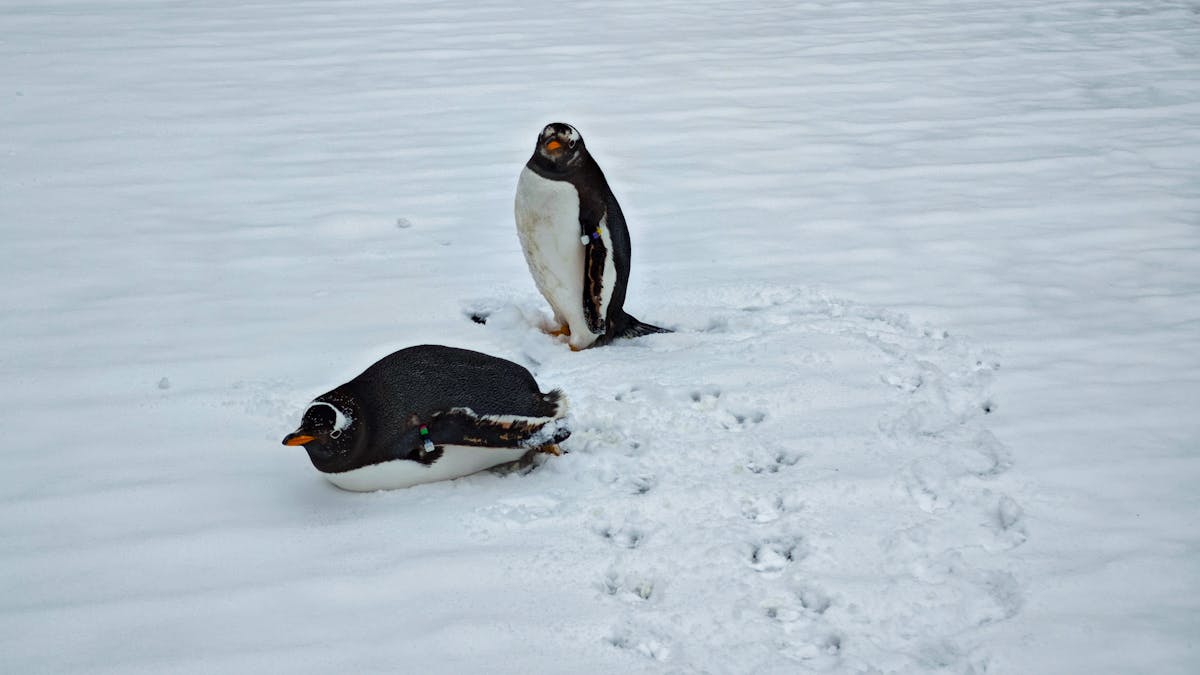
The beloved penguin may be one of the most iconic birds, but did you know that the name “penguin” originally referred to a completely different species? The great auk, a flightless bird from the North Atlantic, was the true penguin.
However, explorers in the Southern Hemisphere mistakenly applied the name to the birds they discovered there, who resembled the great auk in appearance. Tragically, the great auk went extinct in the 19th century, leaving the name to its Southern counterparts.
A WWII Pilot Without Legs Had a Competitive Advantage
Pilots experience intense G-forces during high-speed maneuvers, often leading to loss of consciousness. However, British pilot Douglas Bader, who lost both legs in an accident, had a distinct advantage. Without legs, he didn’t experience blood pooling in his lower limbs during flight, allowing him to stay conscious longer than other pilots.
This surprising benefit helped him in dogfights during WWII, demonstrating that sometimes adversity can lead to unexpected advantages.
Hotel Ice Machines Became Popular Thanks to a Marketing Gimmick
The ice machine, a common feature in modern hotels, wasn’t always a given. In fact, it was introduced by Holiday Inn in the 1950s as a marketing strategy to attract more customers. The idea worked so well that other hotels quickly adopted it.
Today, the ice machine is a standard feature, and travelers can enjoy the convenience of easily accessing ice during their stay,a small but significant change that has transformed the hotel industry.
Britain Euthanized Over 400,000 Pets During WWII

As Britain prepared for the harsh realities of World War II, one of the most heart-wrenching decisions was made: over 400,000 pets were euthanized in an attempt to conserve resources. This was done to ensure that food and supplies could be better utilized for the war effort, and the tragedy occurred just a month later.
The mass euthanasia remains one of the lesser-known and most sorrowful consequences of the war, highlighting the desperate measures taken in wartime.
The U.S. Government Can Keep Inventions Secret
In the United States, not all inventions are eligible for patenting and release to the public. Under the Invention Secrecy Act, the U.S. government has the authority to keep certain inventions under wraps if they pose a national security risk.
This includes inventions related to nuclear technology and harmful substances. The law ensures that potentially dangerous or sensitive information doesn’t reach the public domain, offering a glimpse into the government’s power over intellectual property.
The Oldest Barrel of Wine Has Been Tasted Only Three Times
A barrel of white Alsace wine, dating back to 1472, holds the title of the oldest wine in the world. It’s been tasted only three times in its 500-plus years: in 1576 to celebrate a new alliance, in 1716 after a great fire, and again in 1944 when Strasbourg was liberated from Nazi occupation. T
he rare wine is still kept in the cellars of the Hospices de Strasbourg, making it one of the most preserved and historically significant liquids in existence. It’s a fascinating piece of history that has barely been touched by the passage of time.
Flappy Bird’s Creator Removed the Game at Its Peak

Flappy Bird, the addictively simple mobile game, took the world by storm in 2014, earning its creator, Dong Nguyen, a staggering $50,000 per month. But despite its success, Nguyen decided to pull the game from app stores, citing concerns about its addictive nature.
He felt that the game was doing more harm than good, and its popularity had spiraled out of control. It was a shocking move, but it highlighted the pressures that come with viral success and the unintended consequences of creating addictive content.
Conclusion
These nine astonishing facts prove that the world is far stranger and more surprising than we might think. From WWII pilots gaining advantages from disabilities to fast-food chains paying for weddings, the unexpected details of history, culture, and technology remind us that the truth can sometimes be stranger than fiction.
If these facts intrigued you, imagine how many more are waiting to be uncovered.