8 Storage Mistakes That Are Ruining Your Food
Storage is an essential part of everyday life, yet many of us unknowingly make mistakes that shorten the lifespan of our groceries. From improperly storing fruits and vegetables to mishandling leftovers, these errors can not only ruin the flavor and texture of your food but also lead to food wastage.
Understanding the proper ways to store different types of food is a game-changer for both your taste buds and your wallet. Here are eight common food storage mistakes and how to avoid them.
Storing Tomatoes in the Refrigerator
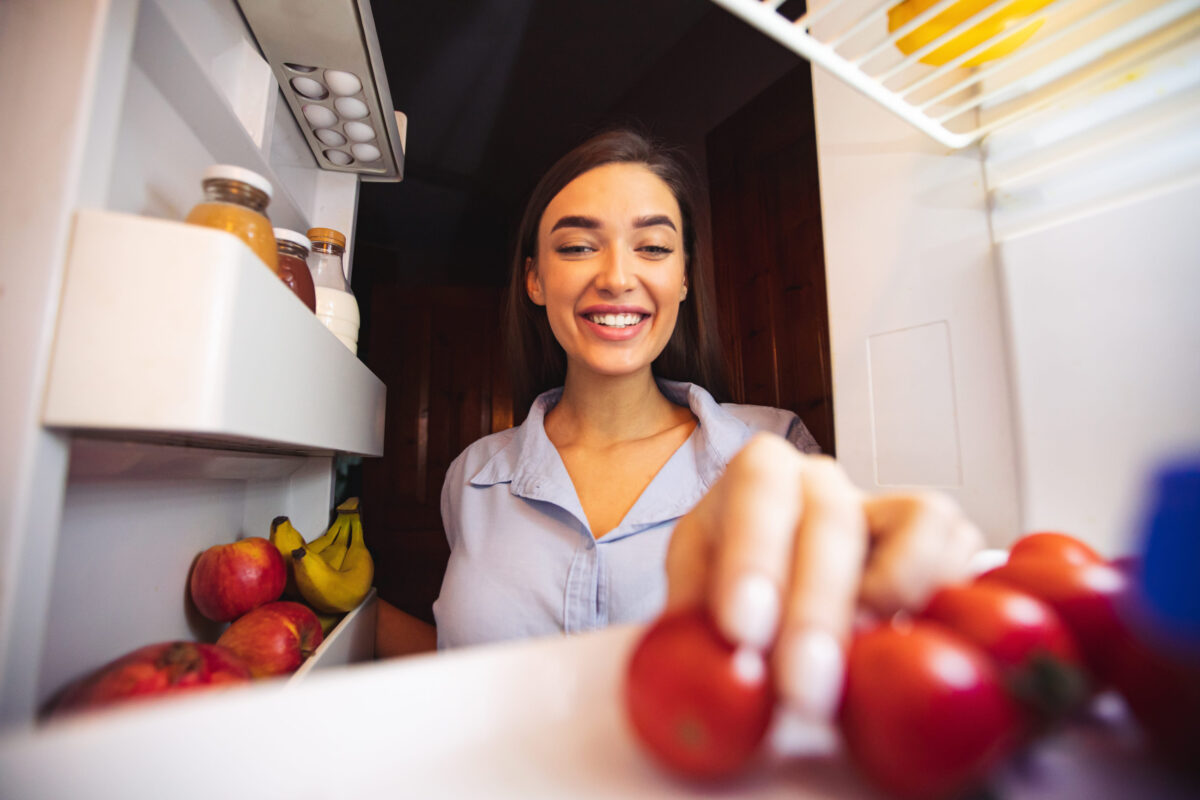
Tomatoes are one of those foods we tend to place in the fridge out of habit, but this is a huge mistake. While refrigeration might seem like a good way to prolong freshness, it actually causes tomatoes to lose flavor and become mealy. The cold temperature damages their delicate cellular structure, making them less juicy and flavorful.
Solution: Store tomatoes at room temperature, away from direct sunlight. They’ll retain their full flavor and texture longer. If they’ve ripened too quickly and you need to slow down the process, putting them in the fridge for a short period can help, but always let them come back to room temperature before consuming.
Keeping Bread in the Fridge
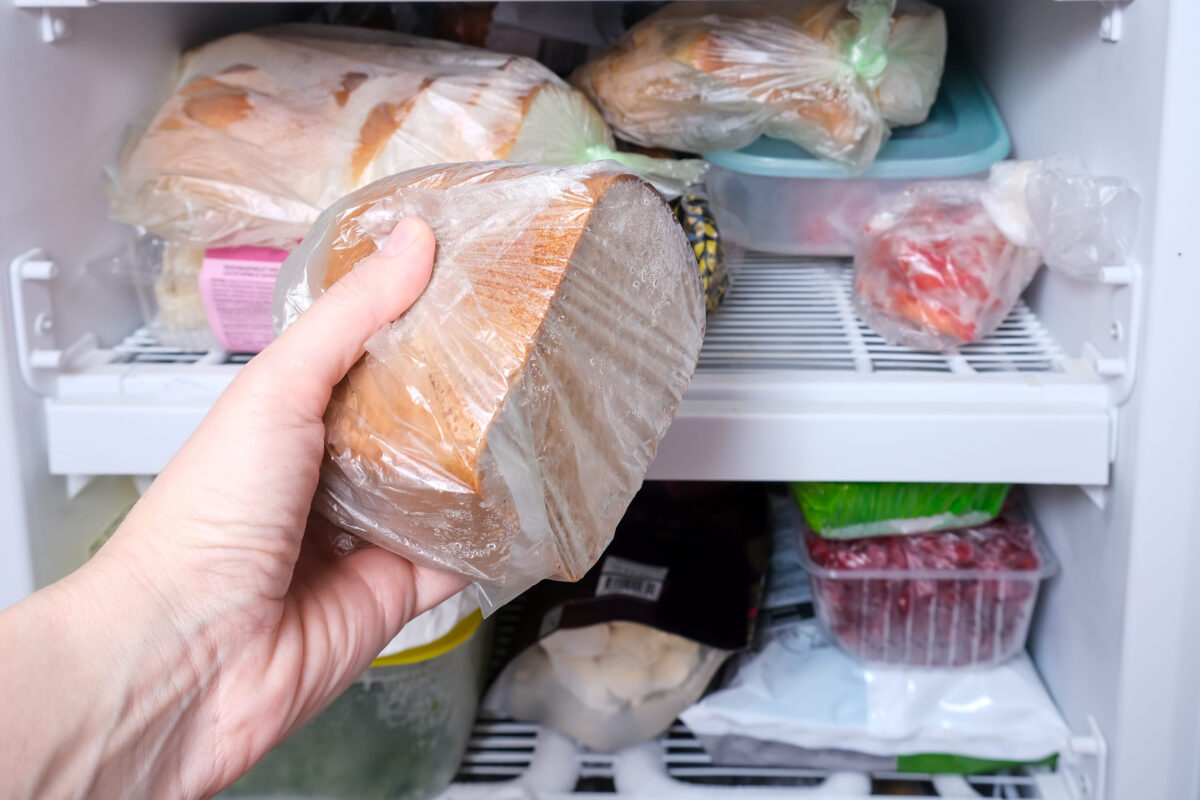
It’s common to toss leftover bread in the fridge, thinking it will stay fresher longer. However, storing bread in the refrigerator actually accelerates staleness. The cool temperatures cause the starches in the bread to crystallize quickly, making it dry and hard.
Solution: Bread is best stored in a cool, dry place, preferably in a bread box or a sealed paper bag. If you won’t finish it within a few days, slice it up and freeze the extra portions. When you’re ready to eat it, simply toast or thaw it for that fresh-out-of-the-oven taste.
Not Storing Greens Properly
Let’s face it, we’ve all had wilting lettuce or soggy spinach sitting in the fridge after only a few days. Leafy greens are highly sensitive and can deteriorate quickly if not stored correctly. Storing them in a crumpled plastic bag or without proper air circulation leads to faster moisture buildup and wilting.
Solution: To keep greens fresh, line a container with a paper towel to absorb excess moisture, then place the greens in it. Seal the container loosely or use a ventilated produce bag to allow air circulation. Also, don’t wash the greens until you’re ready to use them to prevent moisture from causing premature decay.
Storing Potatoes and Onions Together
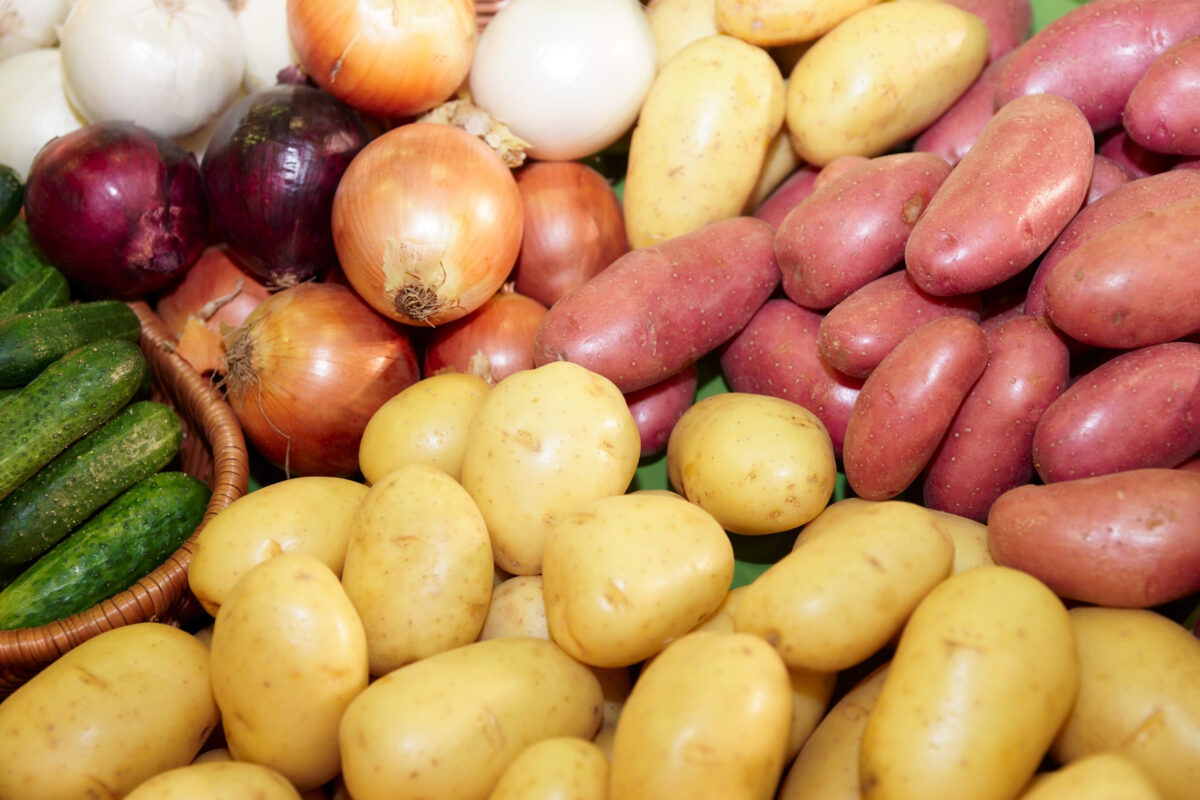
It’s easy to throw potatoes and onions into the same drawer, but this can cause them to spoil faster. Potatoes release moisture, and onions emit gases that can cause potatoes to sprout prematurely. When stored together, both foods lose their quality and may begin to rot sooner than expected.
Solution: Store potatoes and onions separately in a cool, dark, and dry place. Potatoes should be kept in a well-ventilated container, like a basket, to allow airflow. Similarly, onions should be stored in a mesh bag or a paper bag to avoid moisture buildup. Properly storing these two items ensures they stay fresh for weeks.
Storing Avocados in the Fridge Too Early
Avocados are delicate, and while they do require some care, refrigeration is often mistakenly applied too soon. When you place an unripe avocado in the fridge, the cold slows its ripening, and it may never soften properly. On the other hand, storing an avocado that’s already ripe at room temperature will lead to over-ripeness.
Solution: Keep unripe avocados at room temperature until they soften. Once ripe, you can refrigerate them to prolong their freshness for a few days. If you’ve cut into the avocado, sprinkle lemon or lime juice on the exposed flesh, then wrap it tightly in plastic wrap to prevent browning. An airtight container is also a good option.
Overcrowding the Fridge
When your fridge is packed to the brim, air can’t circulate properly, and food doesn’t stay as cool as it should. Overcrowding creates hot spots, causing uneven cooling. This can lead to faster spoilage of some foods, particularly meats and dairy products.
Solution: Leave space between items in the fridge so cool air can circulate freely. Organize your fridge by grouping similar items and keeping perishables in the colder sections. For instance, store raw meats in the bottom drawer to prevent cross-contamination. Regularly declutter your fridge to ensure optimal cooling efficiency.
Leaving Food Uncovered in the Fridge
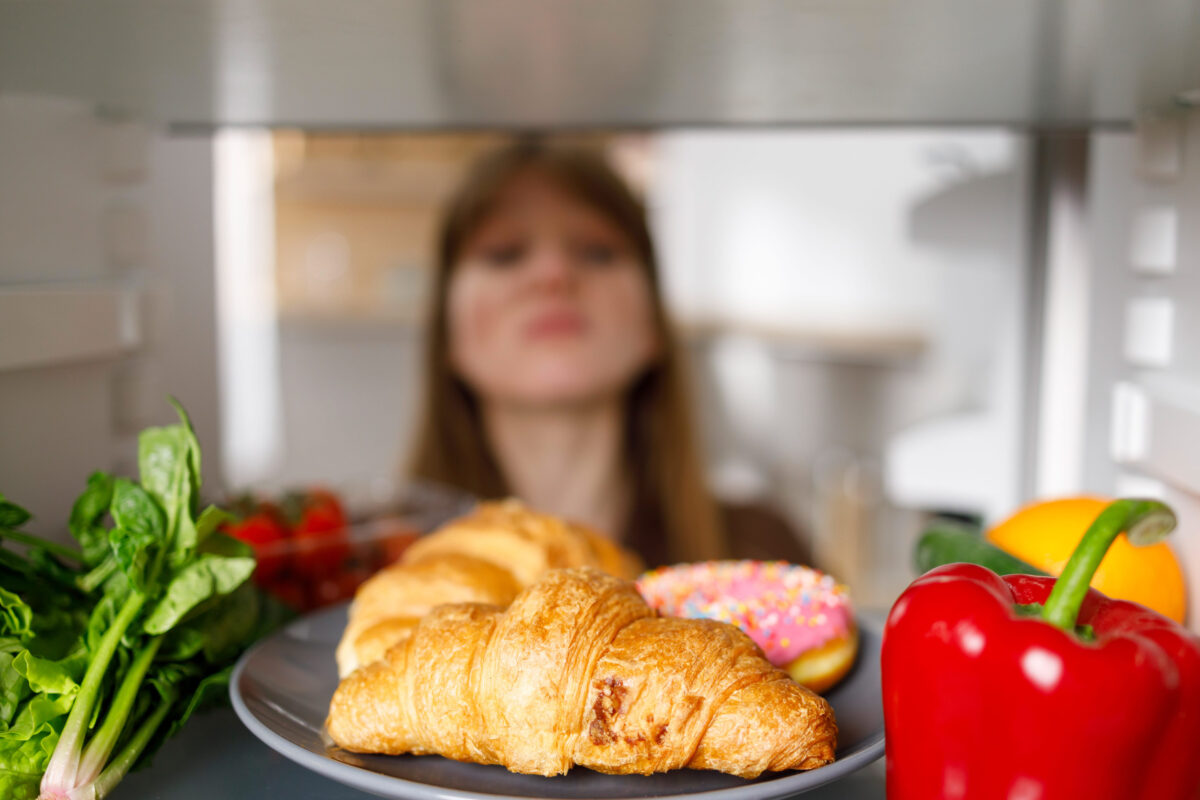
Another common mistake is leaving food uncovered in the fridge, exposing it to the harsh cold air. Not only does this dry out food, but it also leads to unpleasant odors and cross-contamination. Leftover pasta, soup, or other dishes can lose moisture and flavor if not stored properly.
Solution: Always cover food with airtight containers or use plastic wrap to keep food fresh and free from contamination. Properly sealed containers preserve moisture, flavors, and aromas. It’s especially important for cooked meals or leftovers that you want to consume later.
Storing Leftovers for Too Long
Leftovers are a great way to cut down on food waste, but if not stored correctly or kept for too long, they can become a breeding ground for bacteria. While most people know about the dangers of eating food past its expiration date, leftovers can spoil more quickly than anticipated if not refrigerated promptly.
Solution: Store leftovers in airtight containers within two hours of cooking. Label containers with dates to keep track of how long the food has been stored. Generally, leftovers should be consumed within 3–4 days. If you don’t think you’ll eat them in time, freeze them for future use.
Conclusion
Food storage mistakes are more common than we realize, and they can negatively impact not just the flavor and texture of our meals, but also our health and budget.
Avoiding these common errors by storing your food properly will help preserve its quality, extend its shelf life, and save you money in the long run. From fruits and vegetables to leftovers and bread, each type of food has its own best practices for storage. By following these simple yet effective tips, you’ll ensure your groceries stay fresh and enjoyable for longer.