8 Shocking Truths About Common Foods That Are Secretly Making You Gain Weight
Maintaining a healthy weight isn’t just about eating less or exercising more; it’s also about understanding the foods that sneakily contribute to weight gain. Despite what many think, some of the most popular foods in your pantry could be working against your waistline.
Whether they’re marketed as healthy or considered a “go-to” snack, these foods might be sabotaging your diet in ways you don’t even realize. Let’s dive into the 8 shocking truths about common foods that might be secretly making you gain weight.
Granola Bars
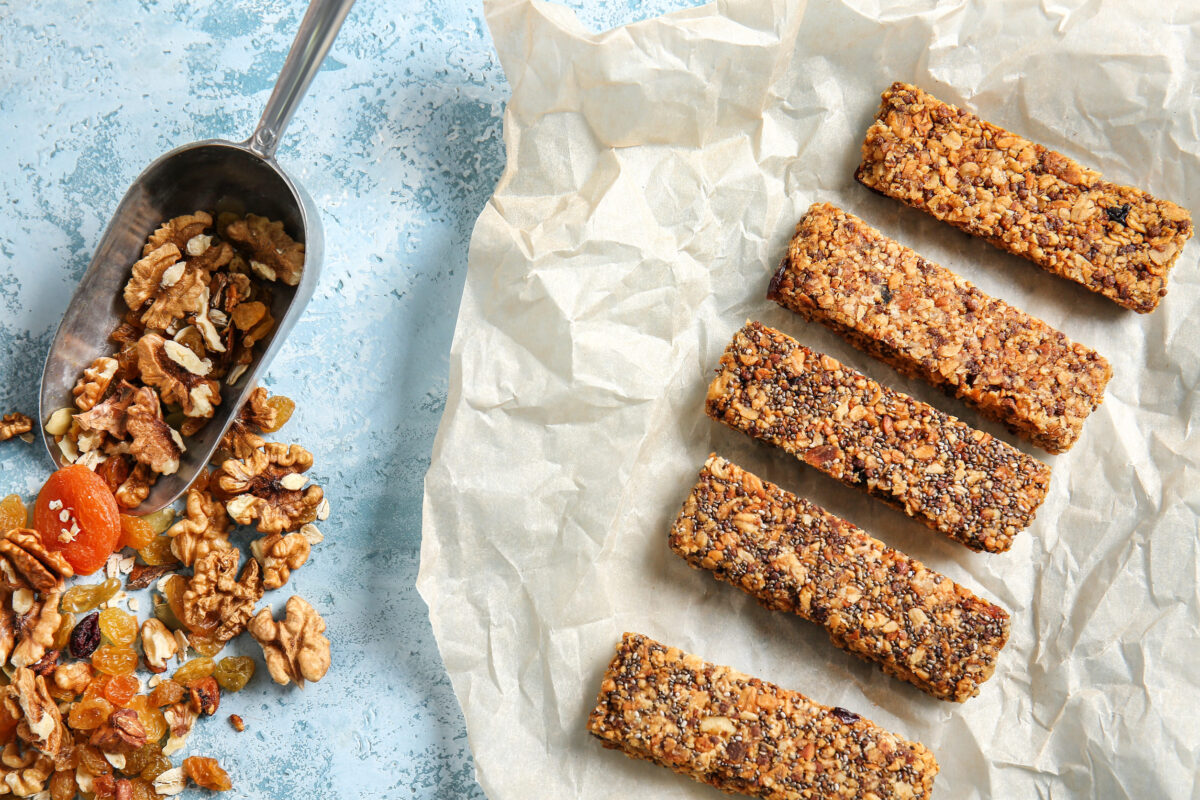
Granola bars often seem like a quick, healthy snack option. However, most store-bought granola bars are packed with refined sugars and unhealthy fats, making them a hidden source of excess calories. While they may have some protein and fiber, the sugar content often outweighs the health benefits.
In fact, some granola bars have as much sugar as a candy bar! Many of them also contain artificial sweeteners and preservatives that can trigger your body to store fat. Opt for homemade or more natural versions to avoid the hidden sugars and excess calories that lead to weight gain.
Salads with High-Calorie Dressings

A salad is often considered the go-to “diet” meal, but that leafy green goodness can quickly turn into a calorie bomb once you add high-fat dressings. Ranch, blue cheese, or creamy vinaigrettes can pack in hundreds of extra calories in just a few spoonfuls.
What’s worse, these dressings are loaded with unhealthy fats and sugars that can cause you to overeat. To avoid sabotaging your healthy salad, stick with light dressings, or better yet, make your own using olive oil, lemon, and vinegar. That way, you can control the calorie intake and still enjoy the health benefits of your salad.
Fruit Juices
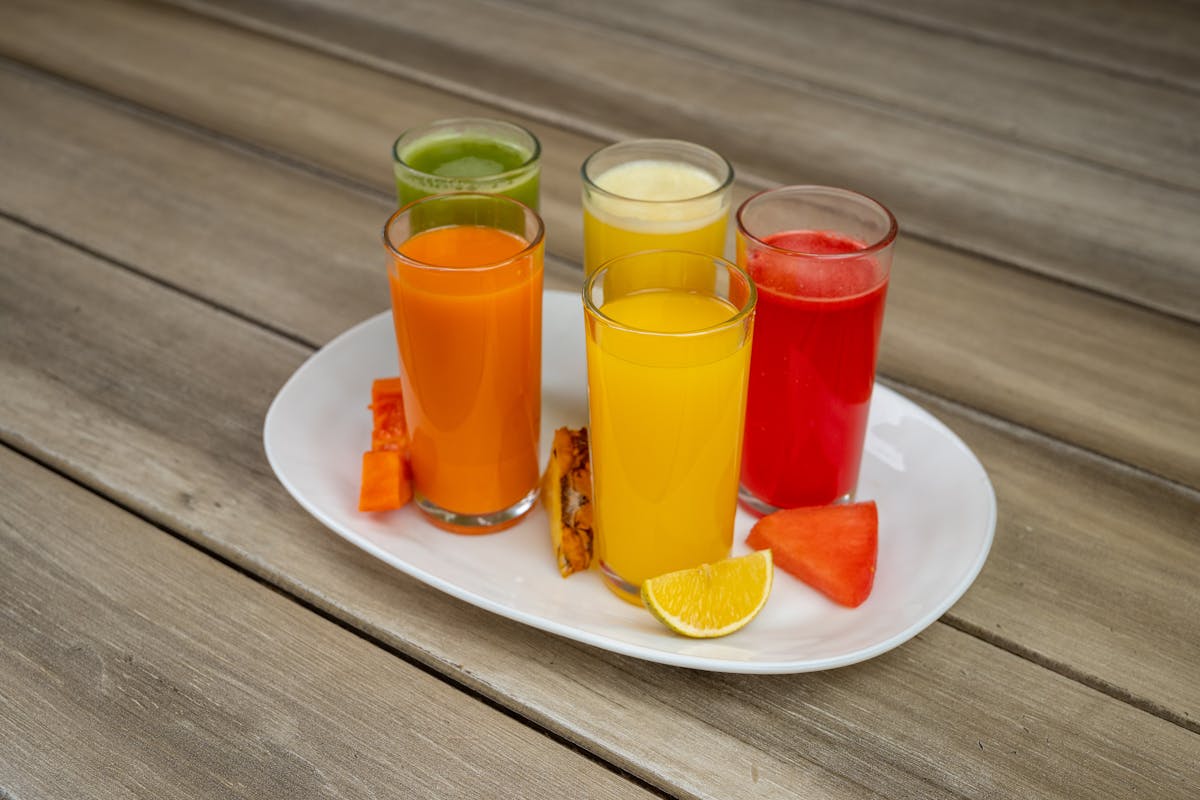
Fruit juices may seem like a healthy alternative to sugary sodas, but they can actually have a higher sugar content than many people realize. Even though they come from fruit, fruit juices can cause a rapid spike in blood sugar levels due to their concentrated sugar content.
The juicing process removes the fruit’s fiber, making it easier for your body to absorb the sugars. If you’re not careful, those daily glasses of juice can add up to significant weight gain over time. Opt for whole fruits instead, which offer fiber and other nutrients that can help control your appetite and provide lasting energy.
Whole Wheat Bread
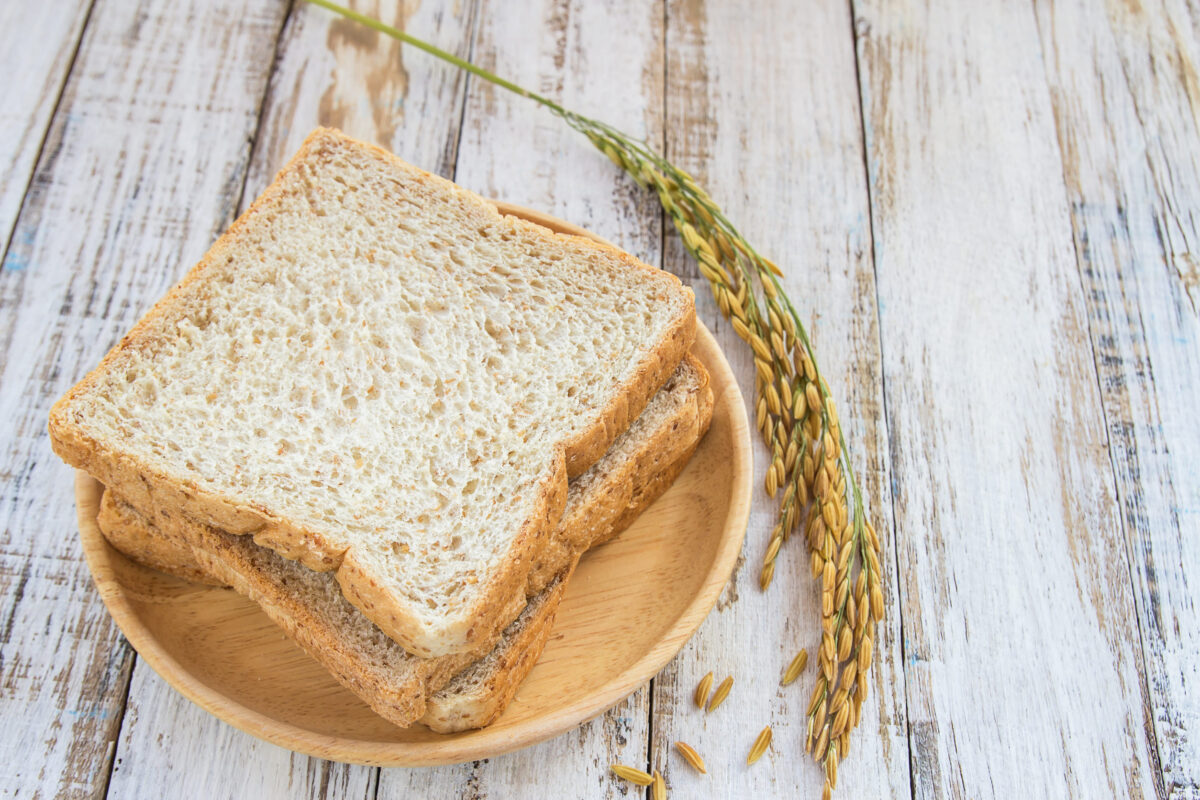
Whole wheat bread is often considered a healthier alternative to white bread due to its higher fiber content. However, not all whole wheat bread is created equal.
Many store-bought whole wheat breads are still made with refined flour, which can contribute to spikes in blood sugar levels, just like white bread. Furthermore, some brands add extra sugar and preservatives to improve taste and shelf life. Be sure to check the ingredients list, and look for breads that contain 100% whole grains with no added sugars or preservatives.
Yogurt with Fruit Flavors
Many people consider yogurt a health-conscious snack, but flavored yogurts, especially those with fruit at the bottom, can be loaded with added sugars.
A small serving of flavored yogurt can contain as much sugar as a candy bar! Added sugars increase calorie intake and spike insulin levels, which may lead to fat storage. Instead, opt for plain, unsweetened Greek yogurt and add your own fresh fruit. This gives you control over the sweetness while still reaping the benefits of probiotics and protein.
Trail Mix
Trail mix has long been considered a nutritious and convenient snack, but most store-bought varieties are loaded with sugary dried fruits, salted nuts, and chocolate. While nuts are healthy in moderation, the sugar and fat content in many pre-packaged trail mixes can quickly add up.
A small handful might seem innocent, but it could easily contain 200-300 calories or more. To avoid the extra calories, make your own trail mix with raw nuts, seeds, and a small amount of dried fruit. Just be mindful of your portion sizes to prevent mindless snacking from turning into weight gain.
Smoothies
Smoothies are often viewed as a quick and healthy breakfast or snack, but many store-bought or smoothie-shop versions are loaded with added sugars, syrups, and other calorie-laden ingredients.
While fruits and vegetables are great additions to any diet, smoothies can quickly become calorie-heavy when you add sweeteners, yogurt, or other sugary milk alternatives. Some smoothies even contain more sugar than a can of soda! When making your own smoothie, stick to whole fruits, leafy greens, and healthy fats like avocado, and avoid adding extra sweeteners or juice.
Coffee Drinks
A morning coffee might be a part of your daily routine, but if you’re not careful, it can also be a sneaky source of weight gain. Specialty coffee drinks like lattes, mochas, and frappuccinos often come with added syrups, whipped cream, and milk, turning what’s supposed to be a simple beverage into a sugary calorie bomb.
Even without whipped cream, a standard sweetened latte can pack as many as 300 calories in one cup. Choose black coffee or an unsweetened iced coffee with almond milk to avoid unnecessary calories and sugar. If you need flavor, try adding a dash of cinnamon or a small amount of stevia for a healthier alternative.
conclusion
We often assume that foods marketed as healthy or low-calorie are harmless, but many of them contain hidden sugars, unhealthy fats, and empty calories that can lead to weight gain. Granola bars, salads with creamy dressings, and even fruit juices can pack in far more calories than we realize, making them unexpected contributors to weight gain.
By being mindful of ingredient labels, making homemade versions of processed snacks, and opting for whole foods, we can make smarter choices and avoid sabotaging our health. Always keep in mind: just because something is marketed as healthy doesn’t mean it’s truly the best option for your waistline.