8 Streaming Problems Making Movies and TV Feel Worse in 2026
Streaming used to feel like the ultimate convenience: endless movies, binge-worthy series, and instant access without ever leaving the couch.
In 2026, that glow is fading. Consumers are noticing that watching TV and movies online is increasingly frustrating, expensive, and unsatisfying, and many are questioning whether streaming is still worth the hype.
What was once a seamless escape now comes with hidden annoyances, cluttered platforms, and content you can’t seem to fully enjoy. Deep dive into 8 Streaming Problems Making Movies and TV Feel Worse in 2026
Subscription Overload and Rising Costs
The number of streaming services has exploded, and so have the costs. Subscribing to multiple platforms to access favorite shows or movies has left many households paying more than traditional cable ever demanded.
Rising monthly fees mean that what once felt like a bargain now feels like a chore to manage, forcing viewers to constantly weigh which subscriptions to keep or cancel.
Content Fragmentation Across Platforms
No single service holds all the hits anymore. Movies and series are scattered across multiple platforms, making it frustrating to locate content without juggling logins and subscriptions.
Fans find themselves chasing titles from service to service, turning what should be effortless entertainment into a tedious scavenger hunt.
Algorithm Fatigue and Poor Recommendations
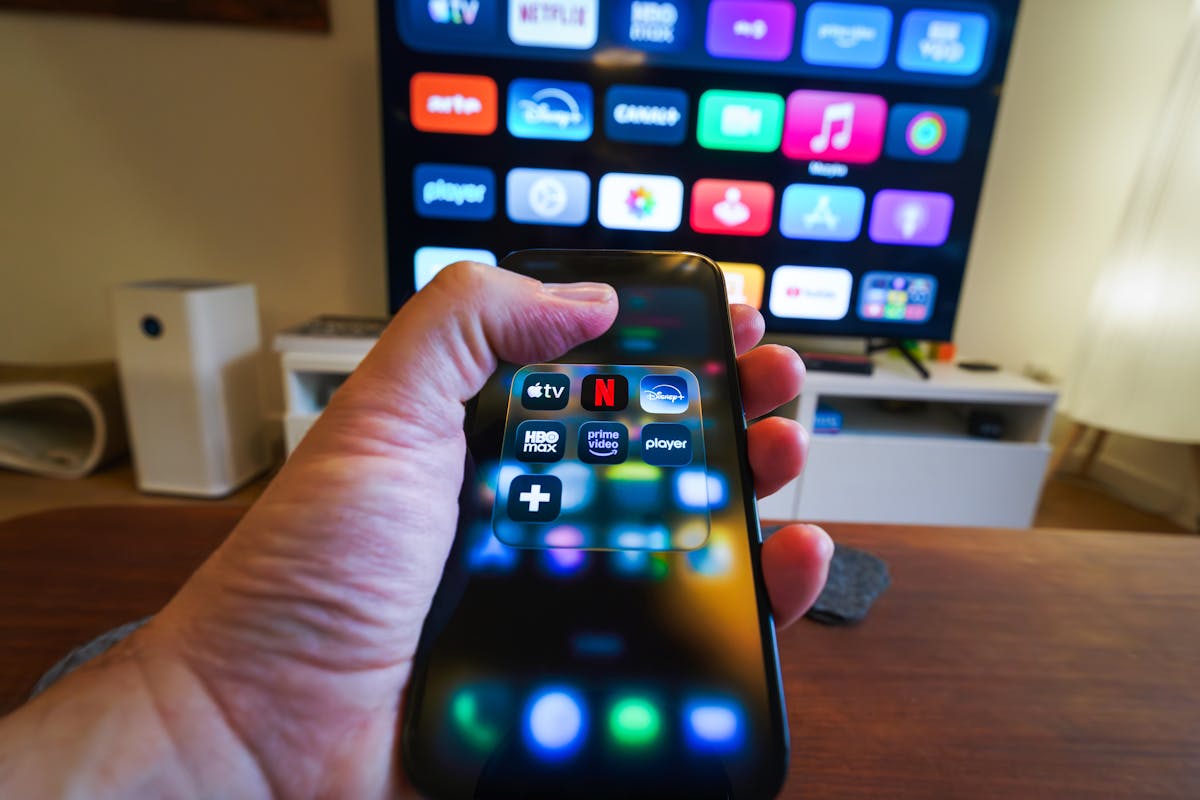
Streaming platforms heavily rely on algorithms to suggest content, but these systems often fail to match real taste. Endless suggestions of the same genre, recycled shows, or low-quality recommendations leave users scrolling endlessly without satisfaction.
Instead of discovering hidden gems, viewers are trapped in repetitive content loops that feel impersonal and stale.
Excessive Advertising in “Free” Tiers
Even platforms that advertise “free” or lower-cost tiers are no longer relaxing experiences. Mid-roll ads, frequent interruptions, and long ad breaks disrupt storytelling, turning immersive movie nights into constant pauses and rewinds.
For many viewers, the annoyance outweighs the savings, creating a feeling that entertainment is being sold at a cost beyond money.
Decline in Original Quality Content
While streaming services continue to invest in original programming, critics and viewers note that quality has become inconsistent. Rushed productions, formulaic plots, and underdeveloped characters make some new series or films feel less engaging than shows from the last decade.
The saturation of content has also diluted attention, leaving viewers fatigued by quantity over quality.
Platform Technical Issues and Bugs
Buffering, crashes, and glitches remain a persistent source of frustration. Even with high-speed internet, users report frozen screens, lost progress, or difficulties in switching devices.
These technical problems interrupt viewing experiences and make streaming feel unreliable, undermining the promise of convenience.
Exclusivity Holds Back Audience Access
Many films and series are locked behind exclusive streaming windows or region-specific releases. Fans often have to wait weeks or months or pay extra fees to legally view content. This exclusivity limits the shared cultural conversation around hits, making the viewing experience feel fragmented and inaccessible.
Loss of Movie Theater Experience at Home

Streaming was meant to replace or supplement cinema experiences, but watching at home often fails to capture the magic of the big screen. Audio quality, screen size, and communal viewing are hard to replicate, making many films feel less impactful.
Combined with other frustrations, the home-viewing experience can feel flat, leaving audiences nostalgic for theaters while confronting the reality of endless streaming options.
Conclusion
Streaming in 2026 remains a dominant way Americans consume movies and TV, but its growing list of problems from rising costs and scattered content to technical glitches and lower-quality originals is changing the perception of home entertainment.
What once felt effortless and thrilling now demands constant navigation, leaving viewers wishing that the promise of endless content could actually live up to expectations.