These 10 Items Shouldn’t Be Found in Your Car Trunk
Your car trunk can be useful for getting things home, but it is not a good place to make it a permanent storage space. Some items can be affected by heat, some need controlled storage, and others simply should not be left inside an unattended vehicle.
The key difference is transportation versus storage. Taking something home in the trunk can be appropriate when handled properly. Leaving it there afterward is where problems can begin.
Propane cylinders
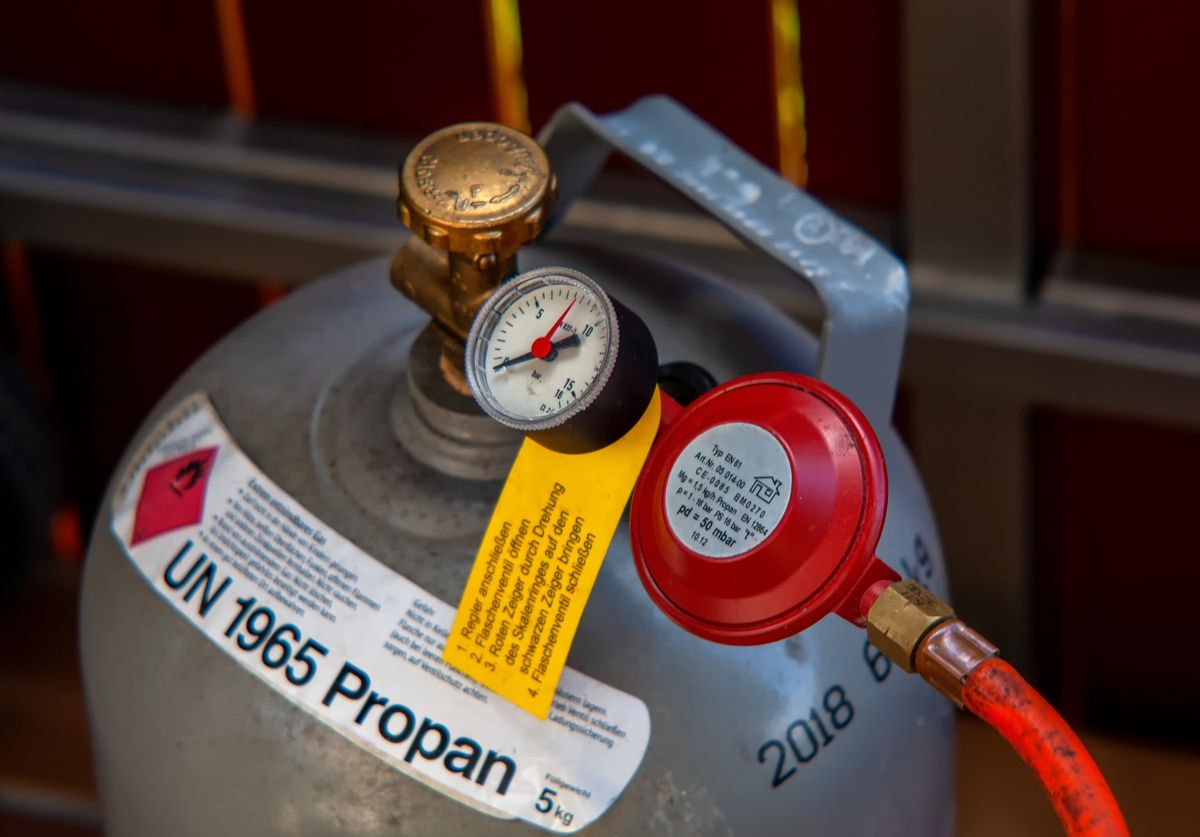
Portable propane cylinders should be taken out of the vehicle as soon as the trip ends. The Propane Education & Research Council advises drivers to travel directly to their destination, keep cylinders upright, and secure them so they cannot shift or roll. PERC also specifically warns, “Do not leave cylinders in your vehicle.”
Gasoline cans kept as a permanent reserve
A gasoline can may need to be transported, but that does not make the trunk a long-term storage spot. The National Fire Protection Association says necessary fuel transportation should involve only a small amount of gasoline in a listed container that is closed, sealed, upright, and secured against movement, with ventilation during transportation. Glass containers, ordinary plastic bottles, and bags should not be used for this purpose.
Pressurized aerosol cans
An automotive aerosol lubricant such as WD-40 is another item better removed after a trip. Its safety information warns that the pressurized container may burst if heated and says it should be protected from sunlight and temperatures above 122°F, or 50°C. Its storage guidance calls for a cool, well-ventilated location, so a trunk should not become its regular home.
Pocket and utility lighters
A lighter forgotten in a camping, barbecue, or picnic bag can easily end up sitting in the trunk long after the outing. BIC advises against leaving a lighter in a hot vehicle and recommends room-temperature storage away from direct sunlight, heat, and extreme temperature changes. BIC’s guidance is straightforward: “Do not leave a lighter in a hot vehicle or near radiators.”
Portable power banks
A backup power bank might seem harmless sitting in a bag, but Anker specifically identifies a parked car as a high-temperature environment to avoid for power-bank storage. Its guidance recommends a cool, dry location away from high temperatures and direct sunlight. It also advises protecting power banks from crushing, impact, and contact with keys or other metal objects that could cause a short circuit.
Phones, tablets and laptops
Electronics have manufacturer-specific temperature limits, and a parked car can exceed them. Apple says iPhones and iPads should be stored between -4°F and 113°F, or -20°C and 45°C, and warns against leaving them in cars because temperatures can go beyond that range. Apple also advises Mac laptop owners not to leave their computers in parked cars, making a laptop bag in the trunk a poor substitute for proper storage.
Groceries that require refrigeration
A grocery run should end with groceries being taken where they need to go, not left in the trunk while other errands continue. The FDA says meat, poultry, seafood, eggs, and other perishable foods should be refrigerated or frozen within two hours of purchase, or within one hour when the outside temperature exceeds 90°F. Cars can become hotter than typical room temperature, so refrigerated groceries should be unloaded promptly.
Medicines left in travel bags or shopping bags
A travel bag containing medicine should not become a permanent trunk accessory. MedlinePlus explains that heat, air, light, and moisture can damage medicines and recommends a cool, dry storage location while following the specific product’s instructions. Its travel guidance also warns against keeping medicines in a car’s glove compartment because vehicle conditions can become too hot, cold, or wet, which makes a temperature-uncontrolled trunk unsuitable for routine storage.
Leftover paint cans
Finishing a home-improvement project does not mean the leftover paint belongs in the trunk until the next project. Sherwin-Williams recommends storing paint in a temperate environment between 60°F and 80°F and notes that garages can become too hot or cold for proper storage. A closet, utility room, or basement is recommended instead, with attention to moisture that could cause cans to rust.
Cash, jewelry, and other valuables
A trunk may hide valuables from casual view, but it is still part of an unattended vehicle. The National Highway Traffic Safety Administration advises drivers never to leave valuables in a vehicle, particularly where they can be seen from outside. Its theft-prevention guidance includes purses and electronic devices among commonly stolen items, so the better habit is to take valuable belongings with you rather than simply moving them out of sight.
A trunk is for getting things from one place to another, not for becoming a permanent storage closet. Once the trip is over, unload the items that need controlled storage, prompt refrigeration, or protection from theft.