8 Cottage Cheese Brands Ranked: Taste, Texture, and Creaminess
The wrong tub of cottage cheese can explain an entire childhood grudge against the stuff. Chalky curds, watery dressing, salt that hangs around too long: one disappointing spoonful is enough to make the whole category seem unfairly punished by its own texture. A good version makes a different argument, with tender curds, fresh dairy flavor, and enough cream to bring everything together.
But which brand deserves refrigerator space? This ranking compares eight plain, 4% milkfat cottage cheeses using published tasting reviews, with creaminess, curd texture, flavor balance, and enjoyment eaten plain guiding the order. It is an editorial assessment of those reviews, not a firsthand tasting or a unanimous verdict. Where panels disagree, those differences help explain who might enjoy each tub.
Kroger: Small Curd Cottage Cheese
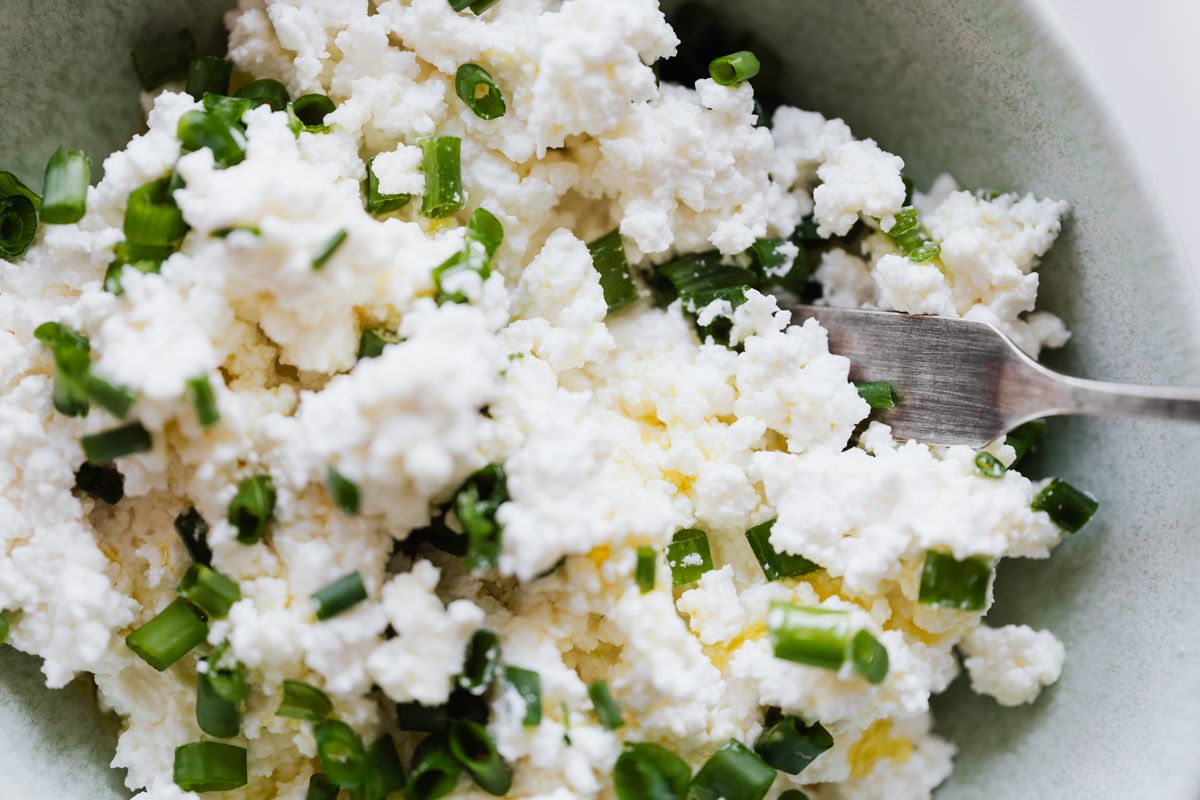
Kroger comes last because the reported texture misses what makes cottage cheese worth eating straight from the container. Parade’s tasters described firm, slightly chalky curds and a dry, pasty consistency. Those qualities leave little room for the tender, creamy contrast that lifts better versions.
The distinction is important: this is not a claim that Kroger tastes unbearably salty or sour. The strongest criticism concerns how it feels to eat. A straightforward dairy flavor might be perfectly acceptable, but it cannot do much heavy lifting when the texture sounds tiring. Among these eight, Kroger offers the least persuasive case for another spoonful.
Great Value: Cottage Cheese
Great Value’s difficulty is balance. Parade’s panel reported a mushy mouthfeel and noticeable saltiness,without enough tang to lift the flavor. That combination puts Walmart’s offering near the bottom, even if its problems differ from Kroger’s dry, chalky finish.
Salt has a useful job in cottage cheese: it should sharpen the milky flavor and make the cream taste fuller. When it becomes the main event, the spoonful loses interest quickly. Great Value ranks seventh because neither the reported flavor nor the texture supplies a convincing strength. This judgment applies to its plain 4% product, rather than every variety sold under the label.
Trader Joe’s: Small Curd Cottage Cheese
Trader Joe’s arrives with a texture problem of its own. Several members of Parade’s panel found the cottage cheese loose and watery,with curds that seemed to dissolve into the liquid. Other tasters were more forgiving and saw potential for using it in blended preparations.
That split makes sense. Someone blending cottage cheese into a dip may care less about distinct curds than someone eating it with a spoon. This ranking favors the latter experience, so the lack of structure costs Trader Joe’s points. It ranks above Great Value because excessive salt wasn’t the main complaint, but the texture keeps it below the more satisfying options.
Knudsen: Cottage Cheese
Knudsen sits in the middle because its reported weaknesses are relatively minor. Parade found mild, clean dairy flavor, a little salt, and soft, fairly smooth curds. The main reservation was that the cottage cheese felt one-dimensional on its own.
A refrigerator staple can’t be worse than mild. A quiet base can leave room for ripe fruit, sliced tomatoes, or a generous grind of pepper. Still, those additions should be optional pleasures. Knudsen earns its position by avoiding the stronger texture complaints below it, but the reviews give it less personality than the tubs ahead.
365 by Whole Foods Market: Organic Cottage Cheese
The 365 organic option makes its strongest impression through consistency. Parade’s reviewers described small curds, smooth creaminess, and fresh dairy flavor, although some wanted more tang. For shoppers who find sharper cottage cheeses distracting, that restraint could be part of the appeal.
It lands fourth because a pleasant texture matters, especially in a food whose reputation so often depends on mouthfeel. Compared with Knudsen, the reported creaminess gives 365 an edge. What keeps it from a higher finish is the same mildness that might win it fans: leading brands offer a more distinctive mix of richness, sweetness, salt, or tang.
Daisy: Classic Small Curd Cottage Cheese
Daisy sounds like the reassuring choice: creamy, milky, and satisfying without requiring you to develop a taste for anything unusual. Food & Wine praised its richness and fresh sweetness. The curds’ uniform appearance drew some reservations, but their soft, slightly springy texture ultimately worked in its favor.
Parade also found a pleasing balance of sweetness, salt, and tang. That combination earns Daisy third place. It offers more contrast than the milder brands while keeping the experience approachable. Hood edges ahead for its stronger buttery character, but Daisy clearly appeals to anyone who wants a creamy spoonful with enough brightness to stay interesting.
Hood: Country Style Small Curd Cottage Cheese
Hood takes second for a buttery flavor that stands out. Food & Wine’s panel recognized its richness and distinctive character, although reviewers disagreed about salt levels and curd balance. The base was also relatively liquid, making consistency a deciding factor.
For someone who enjoys noticeable curds in a looser dressing, those qualities may sound appealing. Others may want a thicker scoop. Hood finishes near the top because its flavor gives it a clear identity, even if its texture leaves more room for disagreement.
Good Culture: Classic Simply Cottage Cheese
Good Culture wins this ranking with its small curds, concentrated cream flavor, and thick, cohesive texture. Food & Wine named it best overall, praising gentle tang and balanced salt alongside its fluffy consistency.
That thickness will not suit everyone. Still, it gives Good Culture a persuasive advantage for eating plain: less loose liquid and more creaminess in each bite. Hood remains the close alternative for buttery character, while Daisy offers familiar comfort. The best choice ultimately depends on which spoonful you want to repeat.