DOJ Presses States to Investigate Gas Prices as Pump Pain Becomes a Political Flashpoint
Gas prices have started to drop, but officials in Washington say the decrease is not happening quickly enough for drivers across the country.
The Justice Department and the Federal Trade Commission are now urging state attorneys general to investigate whether anyone is exploiting market turmoil to keep gas prices higher than they should be.
This move takes a common summer frustration and turns it into a bigger legal battle involving oil companies, gas stations, competition, and the prices drivers see on roadside signs.
The July 3 letter from Associate Attorney General Stanley Woodward Jr. and FTC Chairman Andrew Ferguson says crude oil prices have been dropping, but “far too much” of that price relief is not reaching consumers at the pump.
The agencies said they are monitoring petroleum markets and encouraged states to investigate potential antitrust or consumer protection violations.
Gas Prices Are Down, but Drivers Still Feel Squeezed
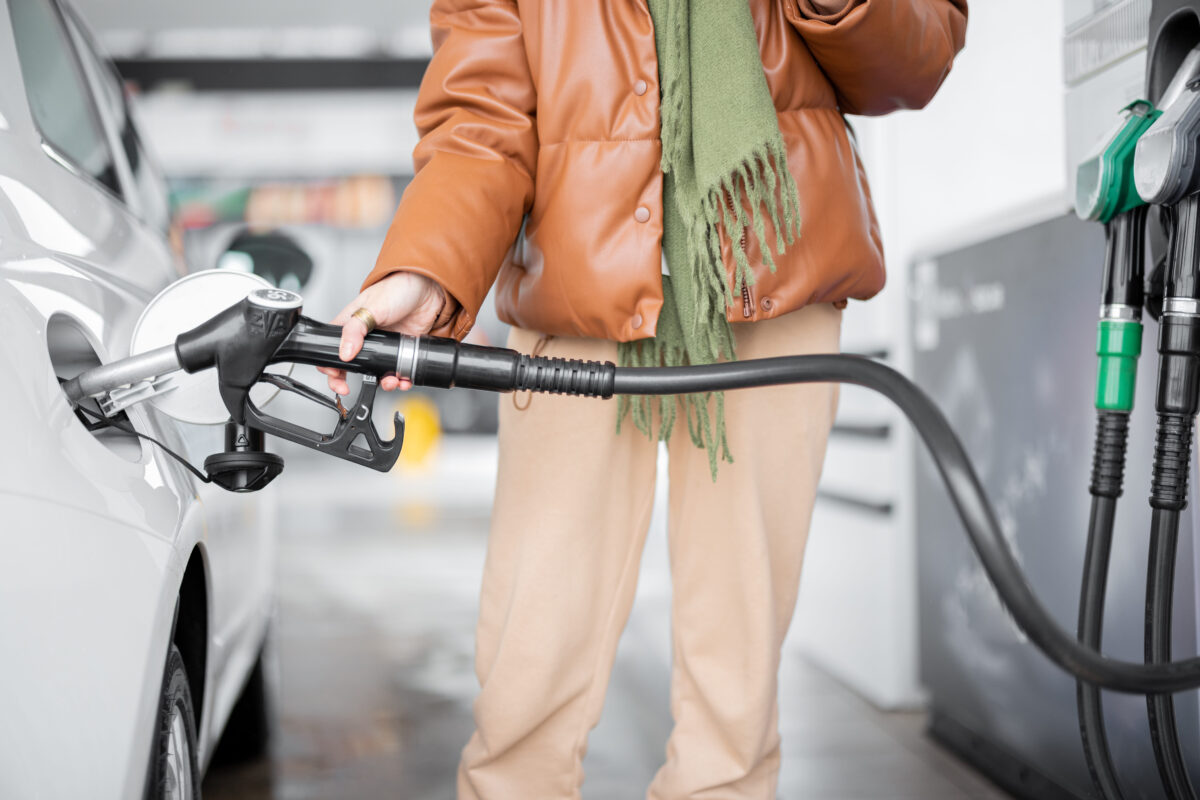
On July 4, the national average price for regular gas is $3.81 per gallon. Just two days earlier, it was about $3.83, nearly 50 cents lower than a month ago.
This drop in prices gives drivers some relief as they travel for Independence Day, but it comes after a tough spring when fuel prices spiked and became a major political issue again.
Monthly data from the Energy Information Administration show how quickly prices rose. Regular gas averaged $2.81 in January 2026, then jumped to $3.64 in March, $4.10 in April, and $4.48 in May, before dropping to $4.05 in June. This sharp rise and slow drop are what have caught the attention of federal officials.
For families, this is a real issue. Filling a 20-gallon tank at $3.81 costs about $76.20. If prices were at January’s average of $2.81, it would be about $56.20.
That’s a $20 difference for every tank. For commuters, delivery drivers, small businesses, and families traveling for the holiday, that extra cost really hits home.
Why the Justice Department Is Looking at the Pump
The federal letter does not accuse every gas station or oil company of wrongdoing. It does something more targeted: it tells states to look for conduct that could be illegal.
The DOJ and FTC cited potential price-fixing, bid rigging, market allocation, monopolization, deceptive conduct, and unfair practices.
Simply put, the agencies are warning companies not to use factors like oil price swings, worries about war, shipping problems, or consumer confusion as excuses to work together to fix prices or manipulate the market.
This difference is important. Gas prices can go up for real reasons, like changes in crude oil prices, higher refining costs, more expensive summer blends, riskier shipping routes, different state taxes, or a refinery outage that affects nearby areas.
But the government is asking a more direct question: when crude oil prices drop, do gas stations lower their prices fairly, or are some keeping prices higher than they should be?
Trump’s Pressure Campaign Put Oil Companies in the Spotlight
President Donald Trump publicly accused major oil companies of failing to lower pump prices in line with lower oil costs, saying on Truth Social that customers were being “gouged.” He said he had instructed DOJ to “immediately” look into the matter.
ABC News reported on the post on June 24, and the DOJ responded that fuel prices affect both national security and American wallets.
That message shifted the debate. Gas prices are always a political issue because almost everyone notices them.
Unlike inflation that’s hidden in grocery bills or insurance renewals, gas prices are posted in big numbers along the road. They act as a daily scoreboard for the economy.
Now, the Trump administration is presenting the issue as more than just a market problem. They are treating it as something that might need enforcement action.
The Strait of Hormuz Shock Still Hangs Over the Market
The recent jump in fuel prices happened after worries about energy supplies from the Middle East, especially concerns about shipping through the Strait of Hormuz.
Oil and LNG traffic through the strait was beginning to move again as peace talks and market expectations helped push oil prices lower.
That is where the public frustration is. That’s when people start to get frustrated. If tensions ease and oil prices drop, drivers expect gas prices to drop quickly too. When that doesn’t happen, people get suspicious. Retail gas prices do not move instantly because fuel already in the system may have been bought at higher wholesale prices.
Gas station owners also have to pay for rent, workers, credit card fees, delivery, taxes, and compete with other stations. Still, the political issue is clear: prices seem to jump up quickly but drop much more slowly.
This slow drop even has a name in energy economics: rockets and feathers. Prices shoot up like rockets but fall slowly like feathers. Now, the DOJ and FTC want to know if illegal actions are making those feathers fall even more slowly.
What State Attorneys General Can Do Next
State attorneys general have some tools that the federal government might not use as quickly. They can demand company records, review messages between competitors, examine price trends across different cities, and investigate complaints under state consumer protection laws.
They can also look at specific local markets. That is important because gasoline is not one national market in practice. Prices can differ widely by state, county, brand, refinery access, tax structure, and transportation routes. A suspicious pattern in one metro area may not appear nationwide.
The DOJ letter specifically urged state enforcers to use their own laws to investigate and prosecute misconduct tied to unjustified price increases.
That means the next phase may not be one dramatic national lawsuit. It may be a patchwork of state inquiries, subpoenas, settlements, and public pressure.
What Drivers Should Watch Now
For drivers, the main question is simple: will these enforcement threats actually lower gas prices?
Maybe, but not right away. Investigations take time, and it’s not enough to just show prices are high. Prosecutors need real proof of illegal actions, like companies working together, tricking customers, or manipulating the market.
The quickest effect might come from the pressure itself. When federal agencies, state attorneys general, and the White House all pay attention to gas prices, companies know their profits, messages, and pricing choices could be closely examined.
In the coming weeks, drivers should keep an eye on three things: crude oil prices, the national average from AAA, and any announcements from state attorneys general about investigations. If oil prices keep dropping but gas prices don’t, political pressure will grow. If prices fall, the administration might say its warning made a difference.
The Bigger Fight Over Gas Prices
This issue is about more than just a week’s worth of gas prices. It’s about trust. People know that world events, wars, shipping disruptions, refinery issues, and seasonal demand can all drive up energy costs.
What’s harder for people to accept is the idea that prices rise during a crisis but stay high afterward because those in charge don’t want to lower them.
That’s why the DOJ and FTC letter is important. It puts the responsibility on the fuel market to explain itself at a time when drivers are paying close attention to every penny.
The gas station is now more than just a place to fill up. It’s a political symbol, a key part of family budgets, and possibly even evidence in legal cases.