10 Little Kid Habits That Quietly Drive Parents Crazy
Parenting can feel like living with a tiny roommate who has no rent, no volume control, and a shocking talent for creating chaos before breakfast. One minute, the house is peaceful. Next, someone is crying because their banana broke in half.
Most parents love their kids deeply, but love does not erase irritation. Children are still learning patience, timing, manners, and emotional control. That learning process can be sweet, funny, exhausting, and wildly annoying all at once.
Interrupting Every Adult Conversation
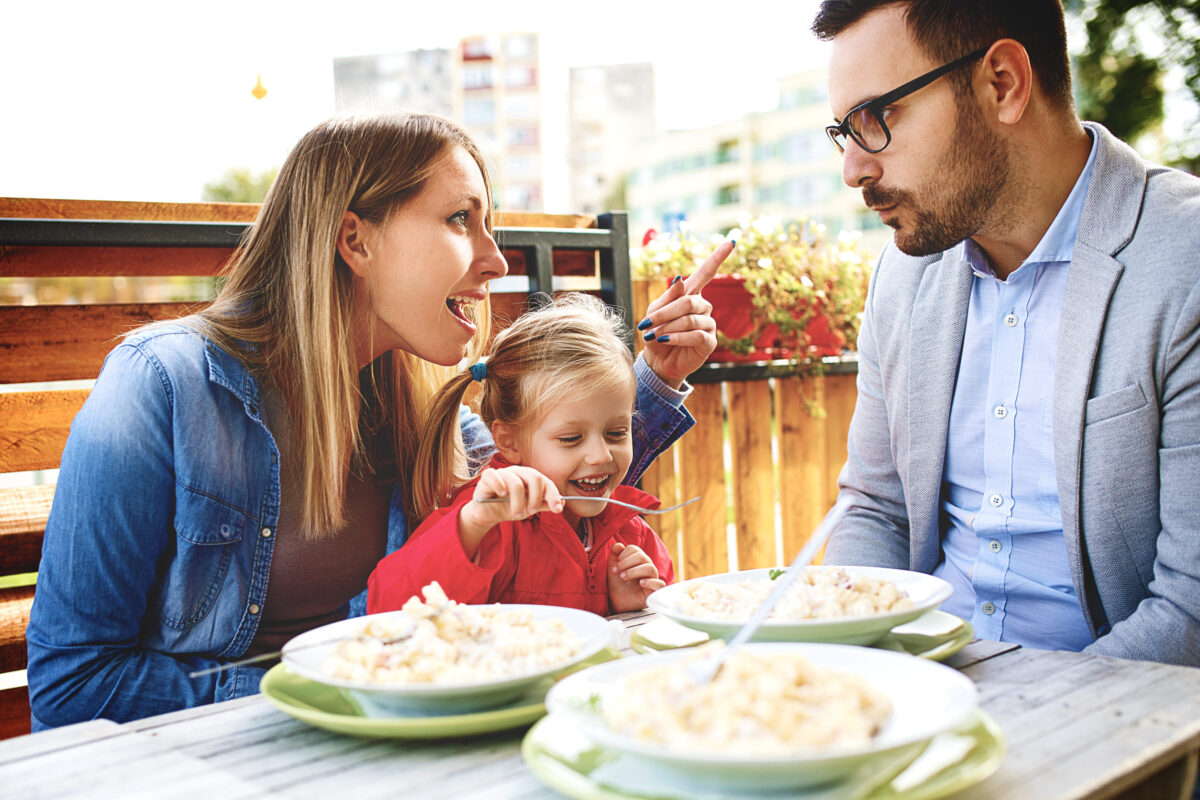
Kids can ignore you for twenty minutes, then suddenly need urgent attention the second you answer a phone call. Adult conversations seem to awaken their deepest questions and loudest stories.
It can feel rude, but many kids are still learning how waiting works. They believe their thought may disappear if they do not say them immediately.
Asking “Why” Until Your Brain Gives Up
Curiosity is wonderful until it turns into a full investigation. Why is the sky blue? Why do dogs bark? Why can’t we eat cake for breakfast?
The first few questions feel cute. By question thirty, parents start wondering if silence should be sold as a luxury product.
Moving Slowly When Everyone Is Late
Children can sprint toward candy but suddenly move like tired royalty when it is time to leave the house. Shoes become confusing. Coats become personal enemies.
This habit drives parents mad because adults live by clocks and children live by feelings. A child does not understand that being five minutes late can wreck the whole morning.
Calling Your Name Like a Broken Alarm
Few things test patience faster than hearing “Mom” or “Dad” on repeat from another room. The child may not even have a real question. They just want proof that you are still listening.
Parents hear it as noise, but kids often mean it as a connection. The problem is that the connection usually arrives while you are cooking, working, showering, or trying to think.
Turning Clean Rooms Into Disaster Zones

A parent can clean a room, step away for one minute, and return to a toy explosion. Blocks, socks, crayons, and snack crumbs appear as the house sneezed.
Children often spread things out because that is how they play and explore. Parents just see the mess they cleaned twice already.
Whining Instead of Speaking Normally
Whining has a special power. It is not quite crying, not quite talking, and somehow more irritating than both.
Kids often whine when they are tired, hungry, bored, or frustrated. Parents hear the sound and immediately feel their patience slipping.
Fighting Bedtime Like a Court Case
At bedtime, children suddenly remember every emotional and medical concern they ignored all day. They need water, another hug, a different blanket, and one last question.
Parents know the routine is coming, but it still works sometimes. Kids resist bedtime because sleep means separation, stillness, and the end of fun.
Asking for Snacks Every Few Minutes
Children treat snacks like a full-time hobby. They can finish breakfast and ask for food again before the plate reaches the sink.
Sometimes they are truly hungry. Other times, they are bored, tired, or avoiding something. Parents end up guarding the kitchen like security at a private event.
Losing Everything Important
Shoes disappear right before school. Homework vanishes before class. Water bottles enter another universe by lunchtime.
Parents get annoyed because the missing item becomes their emergency, too. Children need simple systems more than long speeches, but that lesson usually arrives after everyone is already late.
Refusing the Food They Begged For
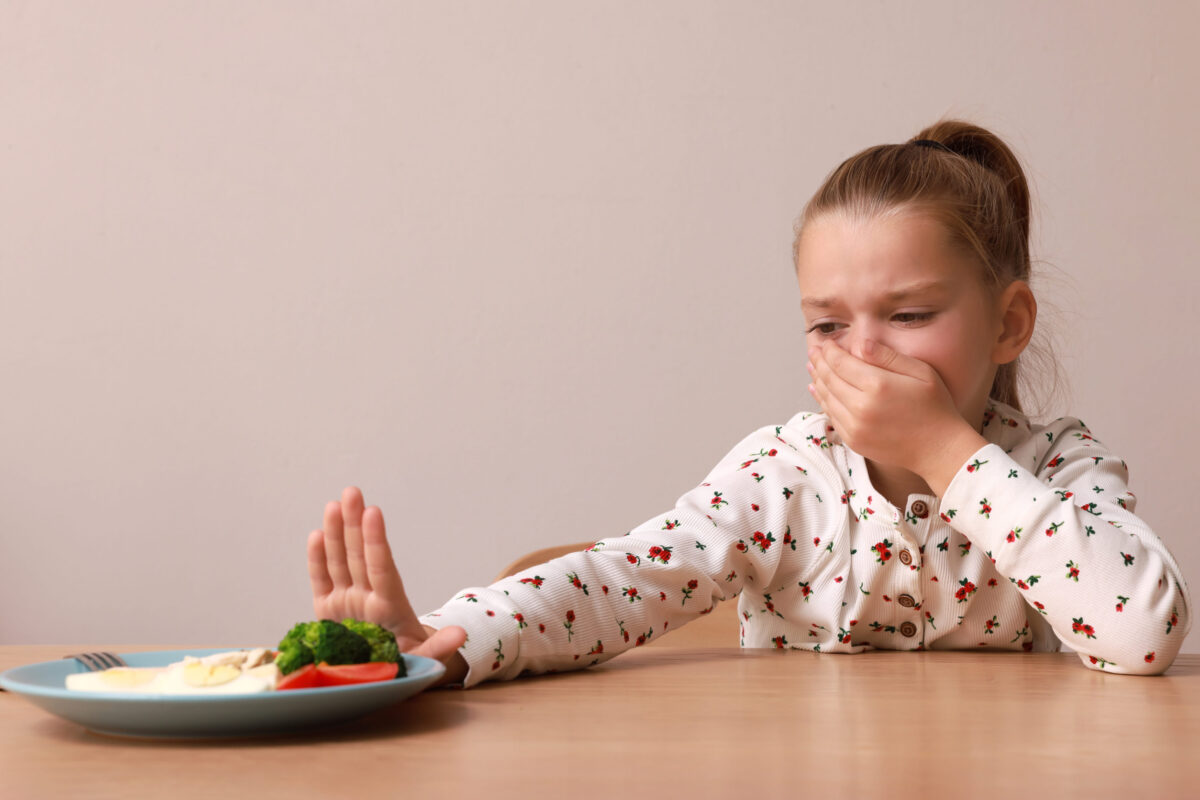
A child asks for toast. The parent makes toast. The child then looks offended that toast exists.
This tiny betrayal can feel personal, especially during a busy morning. Children change their minds quickly, and food often becomes their favorite way to test control.
Conclusion
Kids annoy parents in small, loud, repetitive ways because childhood is a messy practice. They are learning how to speak, wait, choose, clean, sleep, eat, and manage feelings without always knowing what they are doing.
Parents do not need to pretend every habit is cute. Some habits are exhausting. Still, when we understand the meaning behind the chaos, we can respond with firmer limits, better routines, and a little more humor.