Why More Kroger Shoppers in Ohio Are Checking Their Receipts After a Consumer Reports Investigation Raised New Pricing Questions.
In grocery aisles across Ohio, a quiet behavioral shift is underway. Shoppers are no longer walking out of stores with the same casual confidence they once had. Instead, many are pausing at the exit, glancing down at receipts, double-checking totals, and quietly recalculating what they were just charged.
The trigger for this new habit is a Consumer Reports investigation that raised serious questions about pricing accuracy at Kroger and several Kroger-owned stores. What the report uncovered has not only sparked public debate but also changed how some Ohio shoppers interact with the checkout line itself.
At the center of the discussion is Kroger, one of the largest supermarket chains in the United States, operating thousands of stores under multiple banners. The investigation by Consumer Reports, in partnership with The Guardian and the Food & Environment Reporting Network, examined 26 Kroger and Kroger-owned stores across 14 states and Washington, D.C. between March and May 2025. The findings pointed to a pattern that many consumers found unsettling: sale tags that did not always match the prices charged at the register.
In Ohio, where several of the most detailed examples emerged, the story quickly took on a local dimension, and the details became easier for shoppers to recognize.
A receipt problem that started in the aisles
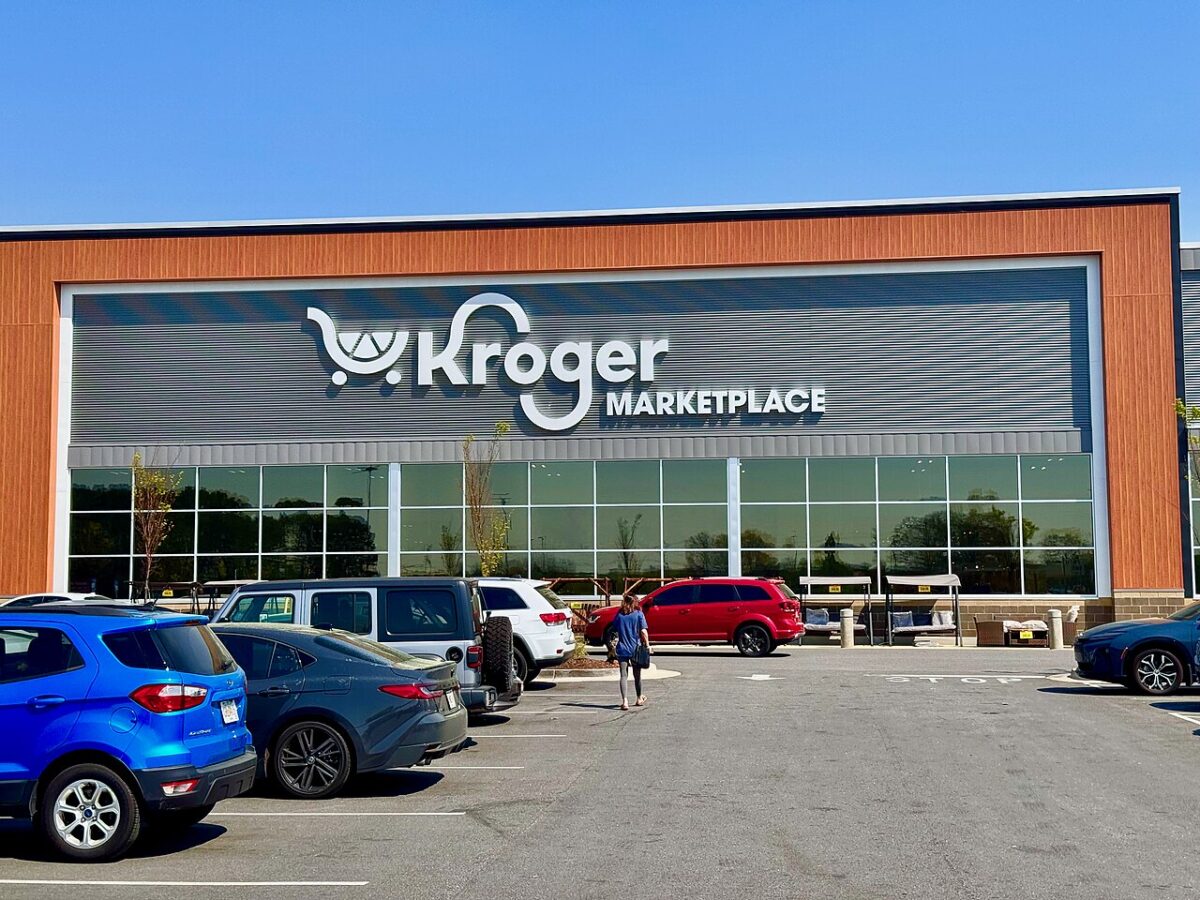
The core issue identified in the investigation was not a single pricing error, but a recurring mismatch between advertised sale prices and checkout totals. Investigators documented more than 150 grocery items with expired or outdated sale tags, resulting in customers being charged higher-than-expected prices.
These were not obscure products or rare edge cases. The list included everyday household staples, cereal, coffee, cold medicine, salmon, beef, vegetables, pet food, and pantry items that form the backbone of weekly grocery trips.
According to Consumer Reports, the average overcharge was about $1.70 per item, or roughly 18.4 percent above the displayed sale price. In some cases, sale tags had expired by 10 days or more. In a small number of instances, the tags were up to 90 days out of date.
Individually, those numbers may appear minor. But for Ohio families shopping on tight budgets, they add up quickly. A few unnoticed overcharges in a single grocery trip can quietly erase the savings shoppers believed they were getting from advertised discounts.
Why Ohio became the emotional center of the story
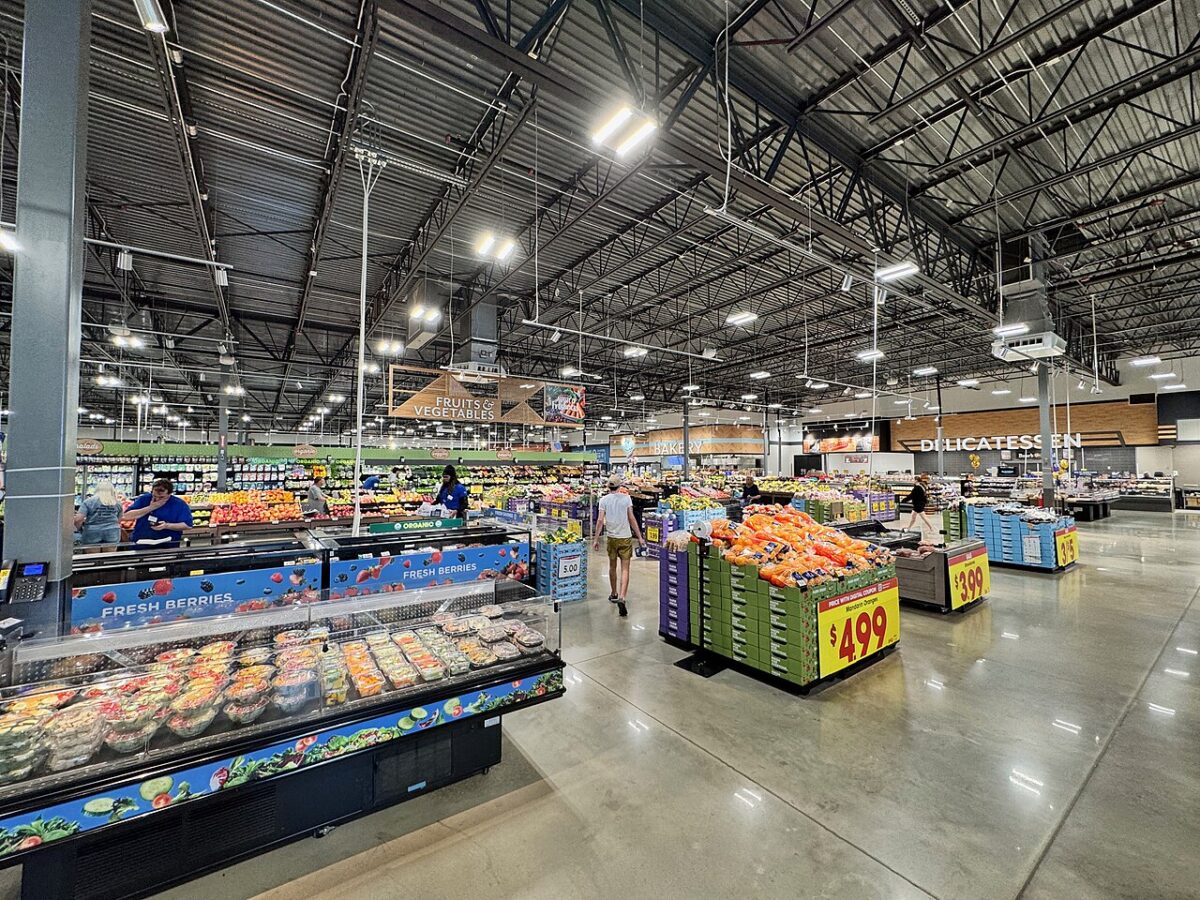
While the investigation covered multiple states, Ohio stood out because of the specific store-level details reported in the findings, which made the story feel especially immediate.
At a Kroger store in Belpre, Ohio, Consumer Reports investigators found 11 expired sale tags during a single shopping visit in May. Of those, six resulted in overcharges totaling just over $5 for that trip alone.
What made the Ohio example more significant was not just the pricing discrepancy, but what appeared to be a broader operational pattern. The report noted that at the Belpre location, staffing levels had declined by approximately 16.3 percent between 2019 and 2024, along with a reduction in average weekly employee hours. While not presented as a definitive cause, the staffing shift was highlighted as a potential factor affecting how quickly stores update shelf labels and remove expired promotions.
Kroger has not accepted the idea that staffing reductions or operational changes directly explain the pricing issues identified in the investigation. The company maintains that it conducts regular price audits and checks millions of items each week to ensure accuracy and has described claims of widespread issues as misleading when taken out of context.
Still, for shoppers in Ohio, the explanation matters less than the experience: what they see on the shelf does not always match what appears on the receipt.
The moment trust started to shift
Grocery shopping is built on a simple assumption: the price you see is the price you pay. It is one of the few everyday transactions where most people do not expect negotiation, clarification, or dispute.
But when Consumer Reports highlighted repeated mismatches between shelf tags and checkout prices, that assumption began to weaken for some customers, and the change became harder to ignore.
In Ohio, the reaction has been particularly visible in small but meaningful behavioral changes. Shoppers are:
- Reviewing receipts before leaving the store
- Comparing digital coupons with final totals
- Rechecking sale items immediately after checkout
- Reporting price discrepancies to store staff more frequently
These are not dramatic protests. They are quiet adjustments. But collectively, they signal a shift in trust, moving the story from behavior to belief.
Once shoppers begin routinely checking receipts, it shows they no longer fully trust the system’s accuracy.
Kroger’s position and corporate response
Kroger, which operates thousands of locations across the U.S. under multiple store brands, has strongly defended its pricing systems. The company says it is committed to affordability and accuracy, and that pricing checks are conducted continuously across its stores.
Kroger argues that isolated errors can occur in any large-scale retail environment due to the sheer volume of promotions, product updates, and pricing changes that occur weekly. It also maintains that the issues identified in the investigation represent a very small fraction of total transactions across billions of annual customer purchases.
From a corporate perspective, the argument is about scale: when millions of price points are updated constantly, a margin of error is statistically inevitable. From a consumer perspective, the argument is about expectations: when a shelf tag says “sale,” the checkout system is expected to honor it.
But from a consumer perspective, the argument is about expectations: when a shelf tag says “sale,” the checkout system is expected to honor it.
That tension between operational scale and consumer trust remains at the heart of the current debate.
What the investigation found beyond Ohio
While Ohio provided some of the most detailed case examples, the broader investigation extended across multiple states and store brands including Harris Teeter, Fred Meyer, Fry’s, and Ralphs.
Across all locations reviewed, Consumer Reports documented more than 150 instances of pricing discrepancies tied to expired sale tags. In many cases, the issue was not a technical malfunction at checkout, but outdated shelf labeling that had not been removed or updated in time.
That distinction is important. It suggests the problem is not necessarily occurring at the register but earlier in the pricing chain, on the store floor, where shelf tags are manually or semi-manually updated.
In retail operations, those tasks often depend on store-level staffing and scheduling efficiency. Even small delays in updating tags can cause customers to unknowingly pay more than expected.
Why small overcharges feel bigger in today’s economy
The emotional weight of this story is amplified by timing. Grocery prices in the United States remain one of the most sensitive household expenses, especially after several years of inflationary pressure on food, housing, and transportation.
For many Ohio households, grocery budgets are already tightly managed. That means even small discrepancies matter: a $1.70 overcharge may not seem significant in isolation, but across multiple items and trips, it becomes part of a larger pattern that can strain trust in everyday retail systems.
It also changes behavior. Once shoppers believe prices may not always be accurate, they begin to treat every receipt as something that requires verification rather than acceptance.
The overlooked role of staffing and store operations
One of the more subtle elements highlighted in the Consumer Reports findings was staffing levels. In the Ohio store examined, reduced employee hours and staffing declines were noted over a multi-year period.
While Kroger has not acknowledged any connection between staffing and pricing accuracy issues, retail experts often note that shelf pricing is among the most labor-intensive aspects of grocery operations. Tags must be printed, distributed, checked, and replaced regularly. When staffing is stretched, those updates can lag behind promotional schedules.
That lag creates a gap between advertised pricing and actual checkout totals, the exact issue identified in the investigation.
A chain reaction of trust
The most significant impact of the Consumer Reports investigation may not be financial at all; it may be psychological.
Once a shopper experiences or even hears about a pricing discrepancy, the relationship with the store subtly changes. The receipt becomes a point of verification rather than a formality, and the sale tag becomes a question rather than a promise.
And in Ohio, that shift is already visible in everyday behavior at Kroger checkout lines.
The new habit of checking everything
The story of Kroger pricing concerns in Ohio is not just about overcharges; it is about how quickly trust can shift when routine expectations are disrupted.
For Kroger, the challenge is maintaining confidence in a system that handles millions of transactions daily. For consumers, the challenge is knowing whether the price on the shelf truly matches the price at the register, and that gap defines the issue.
Between those two realities sits a growing habit among Ohio shoppers: the simple act of checking the receipt before walking away.
It is a small gesture. But it reflects a larger truth: once trust in pricing is even slightly questioned, it rarely returns quietly.
And now, in grocery stores across Ohio, that question is being asked more often than ever.