Nearly 19 Million Eggs Recalled as Salmonella Outbreak Sickens 98 People Across 17 States
A nationwide Salmonella outbreak linked in part to recalled shell eggs has sickened 98 people across 17 states, sent 26 patients to hospitals, and triggered an urgent warning for households, restaurants, and retailers to inspect egg cartons immediately.
No deaths have been reported, but the investigation remains active because Midwest Poultry Services, L.P. appears to explain only part of the outbreak.
The scale of the recall is significant.
Midwest Poultry Services voluntarily recalled 1,589,577 dozen white shell eggs and brown cage-free shell eggs, equal to more than 19 million individual eggs, after testing at two Texas farms detected Salmonella Enteritidis.
Some bacterial samples were genetically matched to the outbreak strain through whole-genome sequencing.
FDA investigation connects recalled eggs to a months-long outbreak
Federal investigators say illnesses began between November 21, 2025, and June 30, 2026. Among 44 patients interviewed about what they ate before becoming sick, 40, or 91 percent, reported eating eggs.
Cases have been identified in Arizona, California, Colorado, Georgia, Illinois, Louisiana, Michigan, Missouri, Mississippi, North Carolina, New Mexico, Nevada, New York, Oklahoma, South Carolina, Texas, and West Virginia.
Texas has recorded the largest known concentration, with 73 reported illnesses.
The national case count could increase as the investigation develops. Some people with foodborne illnesses recover without visiting a healthcare provider or receiving laboratory testing, meaning they are never added to official outbreak totals.
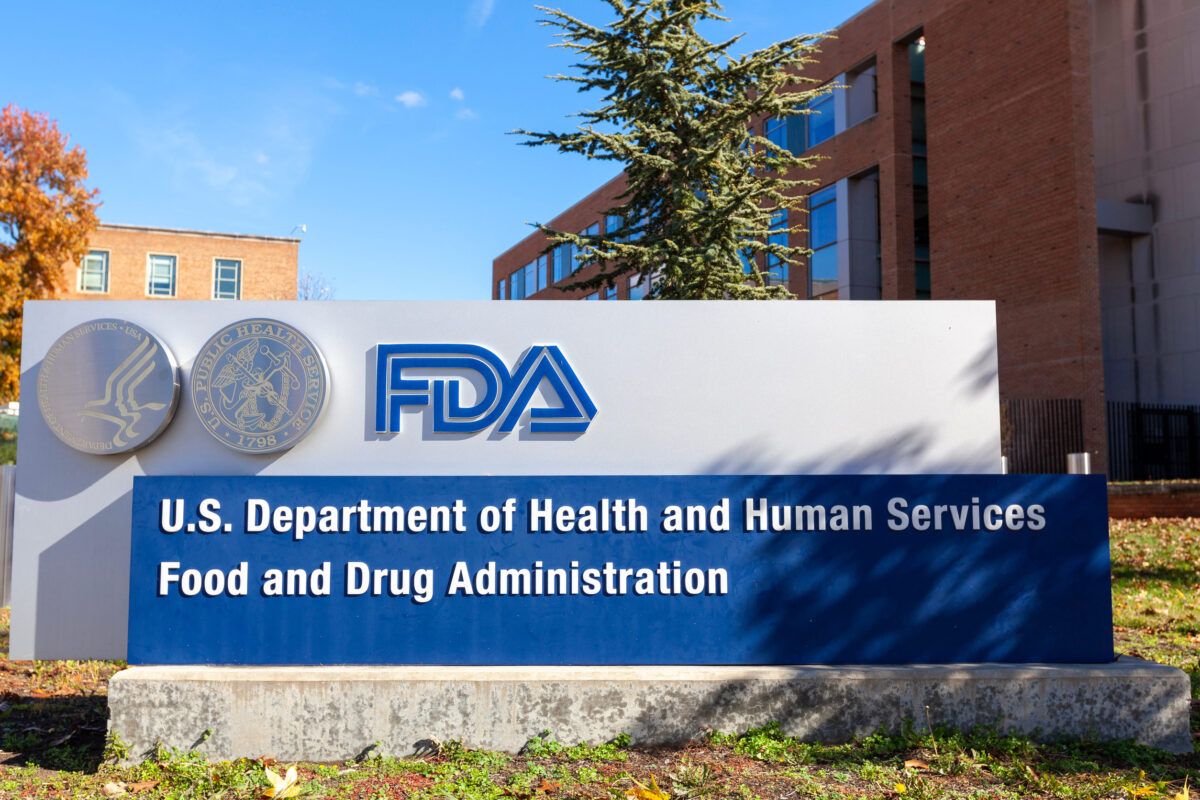
The FDA traced a common source of eggs consumed or purchased by some patients to Midwest Poultry Services. However, regulators emphasized that the company’s products do not account for every illness under investigation.
Additional suppliers, distribution channels, or food exposures may therefore be connected to the same outbreak strain.
Which recalled egg brands and carton codes should consumers check?
The recalled products include eggs sold under the Kroger, Simple Truth, Brookshire’s, Country Morning, and Cal-Maine Sunups brand names. Packages range from six-count retail cartons to 60-count packages and larger bulk cases supplied to restaurants and other foodservice businesses.
Consumers should look for plant codes P-1950 or 0840962, together with a Julian date from 157 through 184. The affected cartons carry sell-by or best-by dates between July 20 and August 17, 2026.
Identifying information may appear in date-coding ink on either side of the carton.
The eggs were produced and distributed from Texas farms between June 6 and July 3, 2026.
Retail distribution included Kroger stores in Texas and Louisiana, along with Brookshire Grocery stores in Texas, Oklahoma, Arkansas, Louisiana, New Mexico, and Mississippi.
Smaller retail outlets and foodservice customers also received affected products.
We should not rely only on carton color or egg size when checking refrigerators. The recall covers white shell eggs and brown cage-free eggs in several package sizes, making the printed plant and date codes the most important identifiers.
What to do if recalled eggs are in the refrigerator

Anyone who finds a matching carton should not eat, sell, cook, or serve the eggs. The FDA advises throwing them away or returning them to the place of purchase for a refund.
Consumers should also clean and disinfect refrigerator shelves, containers, countertops, utensils, and other surfaces that may have contacted the eggs or their packaging. Hands should be washed thoroughly after handling the recalled cartons.
Restaurants and retailers should immediately stop serving or selling recalled eggs and review inventory records, bulk cases, and repackaged products.
Commercial kitchens that removed eggs from their original cartons may need to examine invoices and supplier information because the identifying codes may no longer be visible.
Salmonella symptoms can become serious quickly
Salmonella infection commonly causes diarrhea, fever, nausea, vomiting, and stomach cramps. Symptoms often begin between six hours and six days after exposure.
Most people recover within four to seven days without specialized medical treatment.
Severe diarrhea or vomiting can lead to dehydration. In rare cases, Salmonella may enter the bloodstream and cause serious complications, including arterial infections, endocarditis, or arthritis.
Children younger than five, adults 65 and older, and people with weakened immune systems face a greater risk of severe illness.
Medical attention may be necessary for persistent vomiting, bloody diarrhea, high fever, signs of dehydration, or symptoms that continue to worsen.
Anyone who ate recalled eggs and develops symptoms should contact a healthcare provider and mention the possible exposure.
Reporting suspected foodborne illness can help investigators identify additional cases and determine whether other sources are contributing to the outbreak.
Why this nationwide egg recall demands immediate attention
This is not a limited recall involving a few cartons from one local grocery store. More than 19 million eggs entered a broad retail and foodservice network, while the related outbreak has already stretched across 17 states and several months.
Midwest Poultry Services said it identified the contamination through environmental monitoring and root-cause analysis at two Texas farms.
The company has stopped distributing fresh eggs produced at those locations while the investigation and corrective work continue.
The FDA’s investigation remains open, particularly because Midwest Poultry Services does not account for every reported illness. Further testing and traceback work could identify additional products or suppliers connected to the outbreak.
The most important action is immediate and practical: we should check every egg carton, compare the plant code and dates carefully, and remove recalled products before they are cooked or served.
Thoroughly reviewing refrigerators, restaurant coolers, and commercial inventories may prevent additional infections while federal and state investigators work to determine the outbreak’s full scope.