10 Laundry Mistakes That Ruin Your Clothes
Laundry may seem simple, but small mistakes can gradually damage clothes. Over time, excess detergent, high dryer heat, overloaded washers, or improper stain treatment can reduce fabric quality. By the time clothes look faded, stretched, or worn, the damage has often built up over months. The good news is that better laundry habits do not require a complicated routine. Avoiding small, common mistakes can help preserve fabric, maintain color, and extend the life of clothes.
Here are some laundry mistakes that could be ruining your clothes.
Washing Everything Together
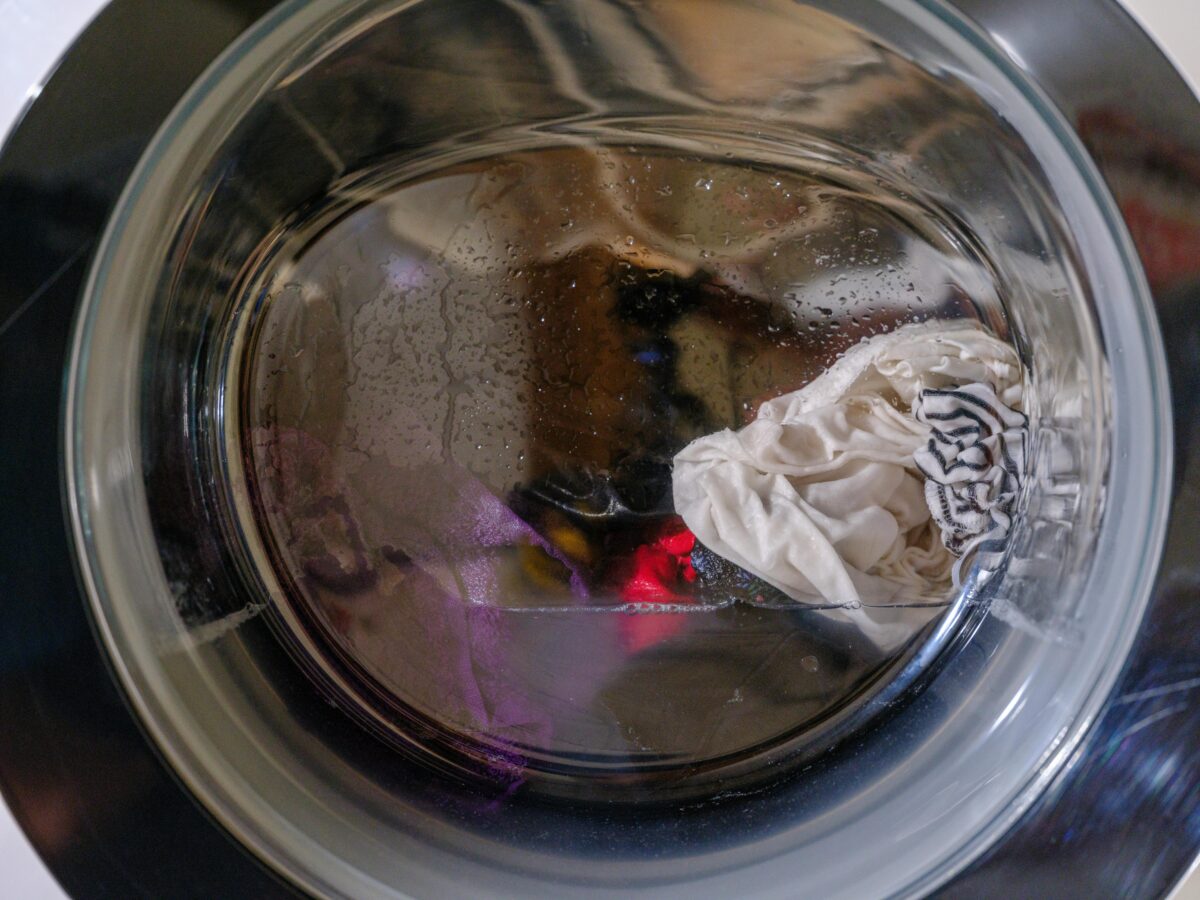
Throwing every item into one load feels convenient, especially when the laundry basket is overflowing and the day is already long. The problem is that towels, jeans, delicate tops, workout clothes, white shirts, and dark garments do not belong in the same wash. Heavy fabrics rub against softer pieces, dark dyes can bleed onto light clothes, and lint from towels can cling to smooth or dark items.
We protect clothes better when we sort laundry by color, fabric weight, and use. Whites and lights should stay away from darks, especially when items are new or deeply dyed. Towels should usually be washed separately because they are rough, lint-heavy, and harder on delicate fabric than people realize.
Pouring in Too Much Detergent
Too much detergent is one of those laundry mistakes that feels helpful but quietly backfires. Many people believe extra soap means extra cleaning power, but the washer can only rinse out so much. When detergent stays trapped in fabric, clothes may feel stiff, look dull, smell sour, or attract dirt more quickly after washing.
We get better results by measuring detergent instead of guessing. Small loads need less soap, lightly worn clothes need less soap, and high-efficiency machines often need far less than a full cap. A clean rinse matters as much as a good wash, because leftover detergent can make clean clothes feel dirty.
Ignoring Care Labels
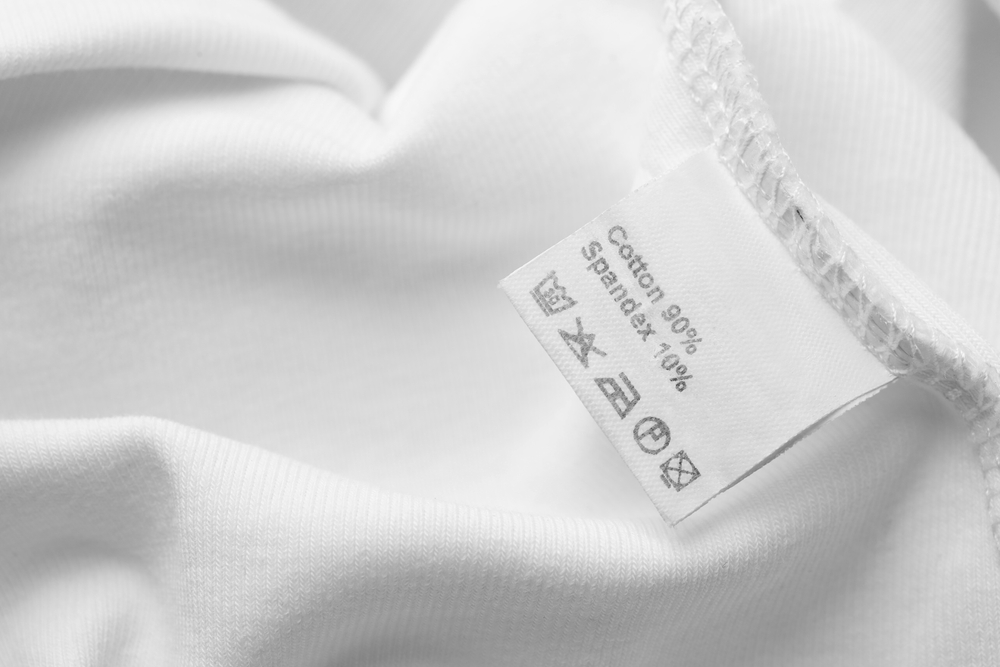
Care labels are easy to overlook because they seem tiny, boring, and easy to cut off. Still, those small tags often decide whether a garment keeps its shape or comes out of the washer looking like a mess. Some clothes need cold water, some need a gentle cycle, some should never go in the dryer, and some should not be washed at home at all.
We save clothes by checking the label before the first wash. This matters most for sweaters, rayon, wool, silk, linen blends, activewear, embellished tops, and anything that was expensive or unusually fitted. One careless wash can shrink fabric, weaken seams, damage texture, or permanently ruin the finish.
Washing Clothes After Every Wear
Some clothes need washing after every use, especially underwear, socks, sweaty workout clothes, and anything worn close to the skin. The mistake is treating every item that way. Jeans, sweaters, jackets, hoodies, cardigans, and some trousers can often be worn more than once before they need a full wash.
We extend the life of clothing by washing based on condition, not habit. If a piece is not stained, sweaty, or smelly, airing it out may be enough. Every wash exposes fabric to friction, water, detergent, spinning, and drying stress, so unnecessary washing slowly fades color and weakens fibers.
Using Hot Water for Almost Everything
Hot water sounds powerful, but it can be brutal on many everyday clothes. It can shrink cotton, fade dark colors, weaken elastic, and make some fabrics lose their smooth finish. The wrong water temperature can also cause dyes to bleed, making clothes look older than they are.
We should use cold water for dark clothes, delicate items, lightly worn garments, and many modern fabrics. Warm water works for stronger items that need a deeper clean, such as towels or sheets, when the care label allows it. Save hot water for specific tough laundry needs, not as the default setting for every load.
Stuffing the Washer Until It Can Barely Move
Overloading the washing machine may seem like a time-saver, but it usually creates more problems. Clothes need space to move through water and detergent. When the drum is too full, items twist together, rub harshly, rinse poorly, and come out less clean than they should.
We get cleaner clothes by leaving breathing room inside the washer. A full load should still move freely, not sit packed like a suitcase. Smaller loads may seem slower, but they reduce wrinkles, protect seams, improve rinsing, and help detergent reach every part of the fabric.
Drying Clothes on High Heat Too Often

High dryer heat is one of the fastest ways to age clothes. It can shrink shirts, fade colors, weaken elastic, roughen fabric, and make once soft clothes feel tired. The damage may not show after one cycle, but repeated high heat slowly changes the fit and feel of garments.
We should use low heat, delicate settings, or air drying whenever possible. Activewear, bras, sweaters, graphic tees, stretchy jeans, and delicate pieces are especially vulnerable to damage in the dryer. Removing clothes while slightly damp can also reduce wrinkles and prevent overdrying, one of the hidden reasons clothes lose softness.
Using Fabric Softener on the Wrong Items
Fabric softener can make laundry smell nice and feel smooth, but it is not always gentle on fabrics. It works by coating fibers, and that coating can reduce absorbency, trap residue, and interfere with performance materials. Towels may become less absorbent, and workout clothes may hold onto odors instead of releasing them.
We should skip fabric softener on towels, microfiber cloths, athletic wear, flame-resistant clothing, and moisture-wicking fabrics. It can still be used carefully on some regular clothing, but it should not be treated like a must-have for every load. Sometimes the best way to keep fabric working properly is to leave it alone.
Aggressively Rubbing Stains
A fresh stain can make anyone panic, but aggressive rubbing often makes the problem worse. Scrubbing can push the stain deeper, spread it wider, and damage the fabric’s surface. Delicate materials can pill, stretch, or weaken before the stain even lifts.
We handle stains better by blotting gently and treating them before washing. Cold water is usually safer for common stains like blood, sweat, and many food marks. The dryer should be avoided until the stain is completely gone, as heat can set it and make it much harder to remove later.
Forgetting to Clean the Washing Machine

A dirty washer cannot give truly fresh laundry. Detergent residue, fabric softener buildup, lint, body oils, and trapped moisture can collect inside the machine over time. When that happens, clothes may come out smelling musty, feeling less clean, or carrying residue from previous loads.
We keep laundry fresher by cleaning the machine regularly. The detergent drawer, rubber gasket, drum, filter area, and washer door all need attention, especially in front-loading machines. Leave the door open after a wash, remove wet clothes quickly, and run a cleaning cycle to prevent the stale smell from carrying over into every load.