Texas Created a THC Gray Zone. Now Dan Patrick Wants to Shut the Door
Texas did not wake up one morning and suddenly discover THC products on retail shelves. The state helped open the door when it legalized hemp, allowed a new industry to grow, licensed businesses, collected fees, and watched smoke shops, CBD stores, drink makers, farmers, and wellness retailers build an entire market around hemp-derived products.
Now Lt. Gov. Dan Patrick wants that door shut.
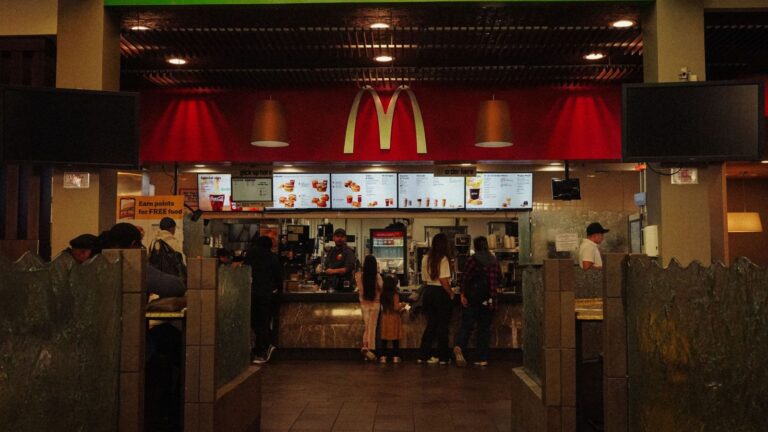
His push for a THC ban has become one of the sharpest political fights in Texas, especially after he released a video showing his visits to Austin-area smoke shops. The video was not just a policy statement. It was a visual argument. Patrick walked into stores, highlighted products, pointed to the spread of retailers near schools, and framed the industry as a threat to children, families, and public health.
That is what makes this story bigger than one bill or one politician. Texas is now fighting over a market it allowed to develop, and the central question is no longer whether THC products exist. They clearly do. The real question is whether Texas should ban them, regulate them, tax them, restrict them, or push them into the shadows.
Dan Patrick’s Austin Smoke-Shop Video Changed the Tone of the Debate
Patrick’s video turned a complicated hemp-law issue into something immediate and emotional. Instead of talking about cannabinoids, statutes, lab testing, and thresholds, he showed storefronts, products, and maps. That gave the THC debate a sharper public image.
The school-proximity argument is especially powerful. When a smoke shop appears near a school, the conversation instantly shifts from adult choice to child safety. That is the kind of framing that moves parents, lawmakers, and local officials faster than a technical discussion about delta-8, delta-9, THCA, or hemp-derived drinks.
Patrick’s message was clear: Texas cannot claim to protect children while allowing intoxicating products to be sold in ordinary retail spaces. His critics see something else. They argue that legal businesses are being turned into political props after years of operating under rules the state itself helped create.
That tension gives this issue its real force. One side sees smoke shops as evidence of a failed loophole. The other sees them as licensed businesses caught in a sudden political storm.
Texas Legalized Hemp, Then Lost Control of the Meaning of Hemp
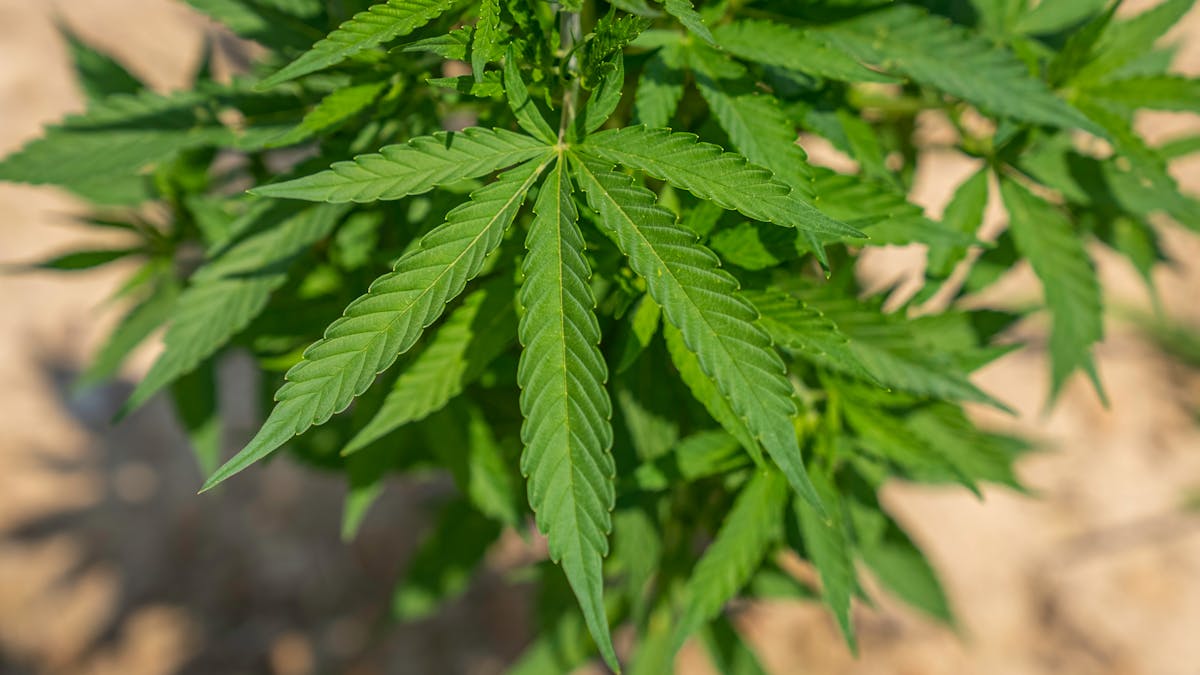
The deeper story begins with the legalization of hemp. Texas allowed hemp products after the federal law created space for hemp with limited THC concentration. That decision helped launch a legal market for CBD oils, gummies, creams, tinctures, drinks, and other products that were supposed to be different from marijuana.
But the market did not stay simple.
Retailers began selling products made with hemp-derived cannabinoids that could still produce intoxicating effects. Delta-8 THC became popular. Hemp-derived delta-9 products appeared in gummies and drinks. THCA flower became one of the biggest flashpoints because it can convert into intoxicating THC when heated.
That is how Texas ended up with a cannabis-style retail market in a state that still does not allow recreational marijuana. To many consumers, the difference between hemp-derived THC and marijuana became technical. To lawmakers, that technical line became politically explosive.
Patrick’s argument is that the state never intended to create a recreational THC marketplace. Business owners argue that if the state wrote a loose law, licensed the industry, and allowed products to be sold for years, it should not punish responsible operators for following the available rules.
The Abbott-Patrick Split Makes the THC Fight More Complicated
The political drama deepened when Gov. Greg Abbott vetoed Senate Bill 3, the sweeping THC-ban bill backed by Patrick. That veto did not mean Abbott supported an unregulated THC market. It meant he rejected the structure of a broad ban and pushed instead for tighter regulation.
That split matters because it shows two different Republican approaches to the same problem.
Patrick’s approach is prohibition. He wants intoxicating THC products off Texas shelves because he sees them as dangerous, accessible, and too difficult to control.
Abbott’s approach is regulation. He has pushed for age restrictions, child-resistant packaging, testing requirements, location controls, warning labels, and stronger oversight, rather than a sweeping ban that could trigger legal and practical problems.
That difference gives the story a sharper political edge. Texas is not simply divided between pro-cannabis and anti-cannabis camps. The fight is also happening inside conservative leadership, where one side wants to close the market, and the other wants to put guardrails around it.
The New 2026 Rules May Do What the Ban Could Not
Even though the broad THC ban failed, Texas has already tightened the market through new rules. The biggest change took effect on March 31, 2026, when the state began using a stricter total-THC approach for consumable hemp products.
That sounds technical, but the impact is huge.
Under this standard, products can become noncompliant if their total THC exceeds the legal threshold, including compounds like THCA that may become intoxicating when smoked. This puts smokable hemp flower and pre-rolled hemp products under heavy pressure because they are often sold in forms that resemble marijuana and can produce similar effects after heating.
For retailers, this is not a small paperwork update. It can mean removing major products from shelves, losing a large part of inventory, changing supplier relationships, retraining employees, and preparing for more inspections.
For consumers, it means products that looked legal one month may disappear the next.
THCA Is the Tiny Detail That Could Reshape the Market
THCA is one of the most important details in the Texas fight because it explains why many smokable hemp products are now in trouble. THCA itself is not the same as delta-9 THC in its raw form, but when it is heated, it can convert into a compound that produces intoxication.
That conversion is why regulators are now treating THCA as part of the total-THC picture. If a product becomes intoxicating through normal use, the state is less likely to accept the argument that it is harmless hemp.
This is where the law becomes confusing for ordinary Texans. A customer may see hemp flower in a shop and assume it is legal because it is labeled as hemp. A regulator may see the same product and focus on what happens when it is smoked.
That gap between label and effect is one of the reasons Texas is cracking down. It is also one of the reasons retailers say they need clearer rules, longer timelines, and a system that does not suddenly turn inventory into a liability.
The Business Impact Could Be Brutal for Small Operators
The THC debate is often framed around public health, but the business side is just as important. Many smoke shops and hemp retailers are small operations. They are not national cannabis giants with deep legal teams and large compliance departments.
Some have built their revenue around smokable hemp, gummies, drinks, tinctures, and other products that now face tighter scrutiny. When the rules change, these businesses may have to eat the cost of unsold inventory, pay higher fees, update compliance practices, and survive with fewer product categories.
The fee issue adds another layer. Reports on the new Texas hemp rules say retailer registration costs rose sharply, with businesses facing thousands of dollars in annual fees per location, and manufacturers also facing higher costs.
That creates a quiet but powerful pressure point. Texas may not need to ban every product if the cost of staying compliant becomes too heavy for small shops. Bigger players may survive. Smaller stores may not.
This is one of the most distinctive angles in the story: the market may be changed not only by a ban but also by rules, fees, testing standards, and enforcement pressure.
Parents Are Worried, but Retailers Say They Are Being Scapegoated
The emotional center of the debate is children. Parents worry about gummies that look like candy, drinks that appear casual, vape products that are easy to hide, and stores operating near schools or teen-heavy areas.
Those concerns are not imaginary. Packaging, youth access, accidental ingestion, and inconsistent labeling are serious public safety issues.
But retailers argue that responsible shops should not be punished for the behavior of bad actors. Many say they check IDs, sell only to adults, buy from lab-tested suppliers, and support strict penalties for anyone who sells to minors.
That is where a more balanced article becomes stronger than a simple pro-ban or anti-ban piece. Texas has a youth-access problem that deserves serious rules. It also has legal businesses that invested under the state’s own hemp framework.
The challenge is separating sloppy operators from compliant businesses. A total ban treats them the same. A strong regulatory system does not.
The Black-Market Risk Is the Argument Texas Cannot Ignore
One of the strongest arguments against a sweeping ban is the black-market problem. If Texans already want THC products, removing legal retail options may not end demand. It may simply redirect buyers toward untested, underground, or out-of-state sources.
That matters because regulated stores can be inspected. Products can be tested. Labels can be checked. Retailers can be fined, suspended, or shut down.
Illegal sellers do not follow those rules.
This is the boomerang risk of prohibition. A ban meant to protect consumers could make the market harder to see and harder to police. That does not mean Texas should ignore health risks. It means lawmakers must decide whether public safety is better served by elimination or control.
A tougher regulated system could include age limits, child-resistant packaging, independent lab testing, serving-size caps, location restrictions, purchase limits, product tracking, and serious penalties for selling to minors.
That may be less dramatic than a ban, but it may be more enforceable.
THC Drinks May Become the Next Big Fight
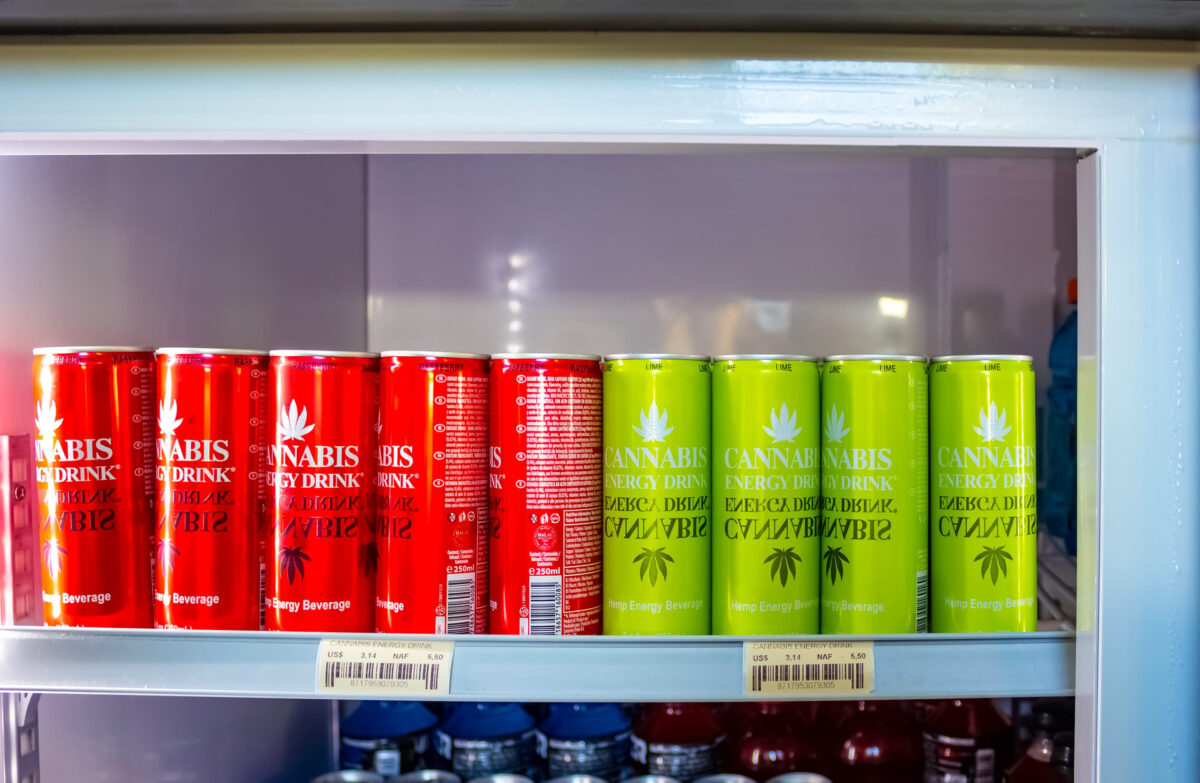
Smokable hemp is under the brightest spotlight, but THC drinks may be the next major battlefield. These beverages complicate the politics because they look less like traditional cannabis and more like an adult alternative to alcohol.
Some consumers see THC drinks as social, discreet, and easier to dose than smoking. Some businesses see them as the future of the hemp market. Lawmakers may see them as a new youth-access risk if branding, flavoring, and retail placement are not tightly controlled.
This creates a tough question: should a THC beverage be treated like alcohol, cannabis, hemp, or something else entirely?
If Texas regulates THC drinks like alcohol, it may create a new adult-use category without calling it marijuana legalization. If it treats them like dangerous intoxicants, the beverage market could face the same political pressure now hitting smokable products.
Either way, drinks keep the debate alive. Even if smokable hemp is squeezed, the THC market may simply shift form.
The School-Proximity Map Is More Than a Map
Patrick’s use of a map showing smoke shops near schools is one of the most effective political tools in the entire debate. A map makes the issue feel local. It turns statewide policy into a neighborhood concern.
For a parent, the question becomes simple: why is a store selling THC products close to where children learn?
For a business owner, the answer is more complicated. Many shops signed leases in legal commercial zones. Some may have opened before the current panic. Others may sell many products besides hemp-derived THC.
That is why location rules may become central to any compromise. Texas could restrict future THC retailers from operating near schools, playgrounds, day cares, or youth centers while creating a separate process for existing businesses.
But that still leaves a hard question. Should current businesses be grandfathered in, forced to move, or banned from selling certain products at those locations?
The answer will decide whether regulation becomes a manageable transition or a wave of forced closures.
What Makes This Texas Fight Different From Other Cannabis Debates
Many states argue about cannabis legalization. Texas is arguing about something stranger.
Recreational marijuana remains illegal, but hemp-derived intoxicants created a parallel market. Customers can walk into stores and buy products that may feel cannabis-like, even though the state has not formally approved recreational cannabis.
That contradiction gives Texas a cannabis identity crisis. The state wants to maintain a hard line against marijuana while dealing with a legal hemp industry that has already changed consumer behavior.
This is why the THC fight keeps returning. Texas is not just deciding what to do with smoke shops. It is deciding whether its old cannabis position can survive a new hemp economy.
Patrick believes the answer is a ban. Abbott has leaned toward regulation. Retailers want survival. Parents want protection. Consumers want clarity.
For now, clarity is the one thing Texas still has not fully delivered.
What Comes Next for Texas THC
The next stage of the fight will likely unfold in three places: the Legislature, state agencies, and the courts.
Lawmakers may try again to pass a ban or a stricter regulatory package. DSHS can continue to enforce rules on total THC, testing, labeling, packaging, and retail compliance. Businesses and advocacy groups may challenge parts of the rules if they believe the state has exceeded its authority.
Retailers will also have to adapt quickly. The safest operators will likely move toward stronger ID checks, cleaner product documentation, conservative packaging, supplier verification, employee training, and a more cautious product mix.
The weakest stores may not survive.
That could be exactly what some regulators want. A smaller, more controlled market is easier to police. But if the state squeezes too hard, it risks driving customers into less visible spaces where safety standards are weaker.
Texas Must Decide Whether It Wants a Ban or a Real Rulebook
Dan Patrick’s smoke-shop video did more than promote a THC ban. It exposed the contradiction Texas has been trying to manage for years.
The state legalized hemp, watched intoxicating hemp products spread, then became alarmed when the market began to resemble cannabis retail. Patrick wants to end that experiment. Abbott has pushed for a stricter rulebook. Businesses want the state to punish bad actors without destroying compliant shops. Parents want products kept away from children.
That is the real Texas THC story.
It is not simply about gummies, flowers, drinks, vapes, or smoke shops. It is about whether Texas can admit that the hemp market has already changed the state’s cannabis landscape.
If Texas chooses a ban, the fight will move to enforcement and possibly the courts. If Texas chooses regulation, the fight will move to fees, testing, packaging, location rules, and inspections. If Texas keeps doing both at once, businesses and consumers will remain trapped in confusion.
The gray zone cannot last forever. Texas created it. Now Texas has to decide whether to control it, shrink it, or shut it down.