Luigi Mangione’s Attorneys Accuse Federal Prosecutors of Violating His Rights as High-Stakes CEO Murder Case Intensifies
Luigi Mangione’s legal team has turned one of America’s most-watched criminal cases into a broader fight over constitutional rights, trial fairness, prosecutorial power, medical privacy, and the limits of government pressure in a case already carrying enormous public attention. Mangione, who has pleaded not guilty in connection with the killing of UnitedHealthcare CEO Brian Thompson, now faces a defense strategy built around more than the evidence. His attorneys are arguing that the government’s handling of the case has threatened his ability to receive a fair trial.
The accusations come as Mangione remains caught between overlapping state and federal prosecutions, public fascination, political commentary, and intense debate over the U.S. health insurance system. For prosecutors, the case is a serious murder prosecution involving the death of a powerful corporate executive in Manhattan. For the defense, it has become a test of whether one defendant can be forced to fight two major cases at once while also battling public statements, disputed evidence, and alleged privacy violations.
Mangione’s Defense Says the Federal Case Risks Undermining a Fair Trial
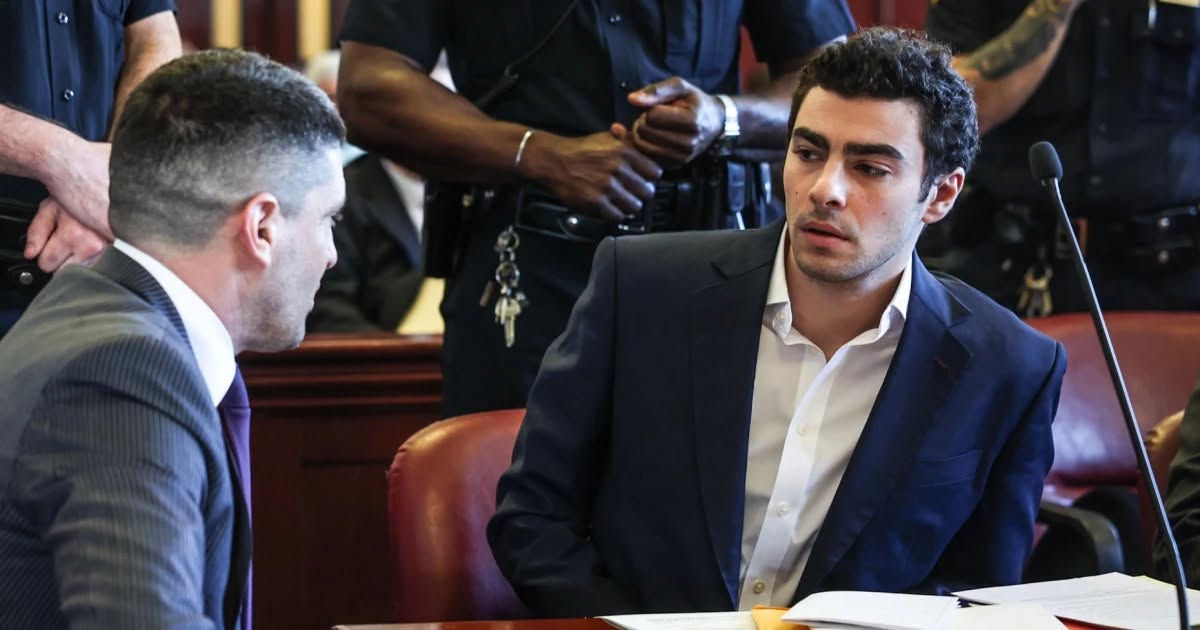
At the center of the defense argument is a simple yet serious claim: Mangione cannot meaningfully defend himself if the prosecution’s schedule and pressure overwhelm his legal team. His attorneys have argued that back-to-back state and federal trials could place him in an impossible position, forcing his lawyers to prepare for one complex trial while actively litigating another.
That argument matters because both cases involve the same alleged killing, the same public controversy, and many of the same facts. A state trial in New York could shape public perception before a federal jury is seated. A federal trial could then force Mangione to confront a second courtroom battle after months of coverage from the first. The defense says that such overlap threatens his Sixth Amendment right to the effective assistance of counsel and his right to participate meaningfully in his defense.
Mangione’s attorneys have also raised concerns about jury selection. In a case this visible, juror questionnaires are not a small detail. They can determine whether potential jurors have already formed opinions, followed online campaigns, consumed viral content, or connected the case to broader anger over health insurance. The defense has argued that Mangione needs time to review those materials carefully, not while his lawyers are consumed by another trial.
The Back-to-Back Trial Fight Became a Constitutional Flashpoint
The scheduling dispute became one of the clearest examples of how complicated the case has become. Mangione’s lawyers pushed for delays, arguing that the original trial calendar threatened to compress two life-altering prosecutions into a narrow window. The defense position was direct: no defendant should have to prepare for two serious trials at the same time when either one could determine the rest of his life.
Federal prosecutors opposed long delays, pointing to the public interest in moving serious criminal cases forward. That argument also carries weight. Courts often balance the defendant’s rights against the need for timely justice, witness availability, court resources, and the interests of victims’ families. But in Mangione’s case, the defense has insisted that speed cannot come at the expense of fairness.
The judge’s later willingness to move trial dates showed that the court recognized the risk of overlap. Even so, the dispute reinforced a larger theme: Mangione’s defense is not only fighting the charges. It is fighting the structure surrounding the prosecution, from timing to publicity to access to evidence.
Medical Privacy Allegations Add Another Layer to the Case
Mangione’s attorneys have also accused prosecutors in New York of improperly obtaining or reviewing private medical information. The defense argued that prosecutors violated rights protected by health privacy laws after subpoenaing information connected to Aetna. Prosecutors have denied wrongdoing, saying they sought limited information and that the insurer provided more than requested.
That dispute is important because medical records can shape a criminal case in powerful ways. They may contain diagnoses, treatment histories, private statements, medications, or deeply personal information that has no proper place in public litigation unless a judge deems it legally relevant. Defense lawyers often fight hard to keep such material out of prosecutors’ hands unless strict procedures are followed.
For Mangione, the medical record issue became even more sensitive because his legal team had previously explored a possible psychiatric defense in the state case. That strategy later shifted, with his lawyers withdrawing notice that they intended to use a psychiatric defense. The decision raised questions about whether the defense wanted to avoid opening the door to wider disclosure of psychiatric records, especially with a separate federal case still pending.
The Withdrawn Psychiatric Defense Changed the Legal Landscape
Mangione’s legal team had once signaled interest in arguing that he acted under an extreme emotional disturbance in the state case. Under New York law, such a defense can sometimes reduce the severity of a murder conviction if accepted by a jury. But it also carries a major risk: it can require disclosure of psychiatric evidence, expert reports, and private medical material.
The withdrawal of that strategy changed the rhythm of the case. It suggested the defense may want to avoid giving prosecutors access to sensitive records or avoid creating statements that could be used against Mangione in the federal case. It also showed how one courtroom decision can ripple into another when a defendant faces both state and federal charges tied to the same alleged conduct.
This is why the rights argument is bigger than one filing. Mangione’s attorneys are trying to control the flow of information, the timing of trials, and the legal narrative before prosecutors can lock in advantages that may be difficult to undo later.
The Death Penalty Fight Raised Questions About Politics and Prosecutorial Judgment
The federal case also drew national attention after the Justice Department announced plans to seek the death penalty. That decision added extraordinary pressure to an already explosive case. Mangione’s defense challenged the move, arguing that the decision was politically influenced and unfairly prejudicial.
A federal judge later ruled that prosecutors could not pursue the death penalty after dismissing death-eligible counts from the indictment. That decision changed the stakes of the federal case, but it did not erase the defense’s broader complaint: that public statements and aggressive prosecutorial moves had already shaped the atmosphere around Mangione.
The death penalty issue also placed the case inside a larger national debate over federal criminal punishment. Supporters of harsh prosecution saw the case as a brutal public killing of a corporate executive. Critics questioned whether the government was using the case to send a political message. Mangione’s attorneys used that tension to argue that the prosecution had drifted beyond ordinary legal judgment.
Public Attention Has Become a Problem for Both Sides
Few criminal defendants become national symbols before trial. Mangione did. His case triggered reactions far beyond the courtroom, with some people focusing on the killing itself, others on health insurance anger, and others on his image as an accused figure in a larger cultural battle.
That attention creates risk for both prosecutors and the defense. Prosecutors must prove the case in court, not through public emotion. Defense attorneys must protect Mangione’s presumption of innocence while also preventing outside narratives from swallowing the facts. The louder the public debate becomes, the harder jury selection becomes.
This is why the defense’s rights argument is so central. Mangione’s attorneys are not simply saying the prosecution is difficult. They are saying the government’s actions, combined with the public atmosphere, could make a fair trial harder to secure unless the court sets firm boundaries.
Why the Rights Claims Could Shape the Case Before Trial Begins
Pretrial battles often decide the direction of major criminal cases. Evidence can be excluded. Trial dates can move. Jury procedures can change. Charges can be narrowed. Prosecutorial conduct can be reviewed. For Mangione, these early fights may shape what the jury eventually hears and how much room the defense has to challenge the government’s theory.
If the court accepts parts of the defense argument, prosecutors may face limits on certain evidence, timing, or strategy. If the court rejects the claims, the defense will still likely preserve them for appeal. Either way, the right accusations are now woven into the case.
The defense is building a record. That record could matter at trial, after trial, and in any future challenge to a conviction. In a case with this much attention, every procedural decision carries weight.
The Case Is Now About More Than One Defendant
Mangione’s case began as a criminal prosecution over the killing of Brian Thompson. It has since become a courtroom battle over how far prosecutors can go when a case becomes politically charged, publicly consumed, and legally complicated.
For the prosecution, the goal is accountability for a fatal shooting. For the defense, the goal is to ensure that Mangione is not convicted by momentum, publicity, compressed schedules, or disputed access to private information. That tension is now the heart of the case.
The final outcome will depend on evidence, law, jurors, and judicial rulings. But the argument already reshaping the case is clear: Mangione’s attorneys say the government must prove its case without violating the rights of every defendant, no matter how famous, controversial, or politically charged the case becomes.