Milk or Butter in Mashed Potatoes? The Debate Comes Down to What You Want in the Bowl
Some cooks want mashed potatoes light and creamy; others want them rich enough that gravy feels almost unnecessary, and the choice between milk and butter is a big part of that argument.
Mashed potatoes look simple until two people start arguing over how to make them. One cook reaches for warm milk, another adds another generous spoonful of butter, and suddenly a side dish has become a matter of personal pride. Milk and butter do different jobs, so the better choice depends on whether you want fluffiness, richness, or the best of both.
Milk Makes Mashed Potatoes Softer and Lighter
Milk gives mashed potatoes their familiar creamy looseness without making them overwhelmingly rich.
Traditional recipes often use hot milk rather than adding it cold, because warm liquid incorporates more smoothly into hot potatoes. The Idaho Potato Commission’s traditional mashed potato method uses hot milk alongside butter, showing that this doesn’t have to be an either-or decision.
Milk also gives you more control over texture. Add a little, and the potatoes stay thick enough to hold their shape; add more gradually, and they become softer and silkier. Whole milk brings more richness than low-fat milk, but it still keeps the potatoes noticeably lighter than a butter-heavy mash.
That makes milk especially useful when the potatoes go under something rich, such as roast gravy, braised meat, or a creamy sauce.
Butter Is Where the Luxury Happens
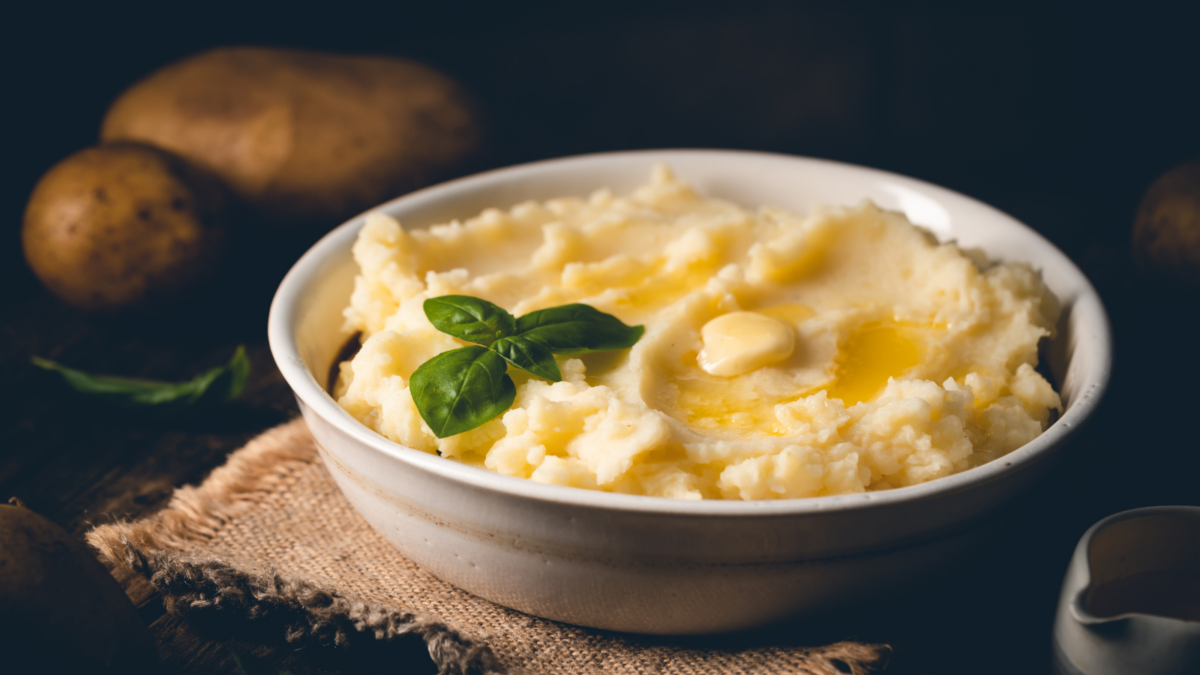
If milk gives mashed potatoes their body, butter gives them that unmistakable rich, glossy finish.
Butter adds fat, not just moisture, which changes how the potatoes feel in your mouth. A generous amount can make a basic mash taste almost luxurious, with a fuller flavor that lingers after every bite.
Professional recipes are often surprisingly generous with it for a reason. Bon Appétit’s extra-buttery mashed potato technique combines whole milk and a substantial amount of butter, while another version uses even more butter before gradually incorporating warm dairy.
But there is a limit. Too much butter can make potatoes feel heavy or greasy, especially once they cool. More fat does not automatically mean better potatoes.
The Real Secret Is When You Add Them
The order of ingredients can matter almost as much as the ingredients themselves.
One useful approach is to add butter to the hot potatoes first, then gradually incorporate warm milk or cream. The Idaho Potato Commission specifically recommends warm or room-temperature butter, followed by warm liquid, and warns that cold dairy can contribute to a gummy texture.
Another important step is drying the potatoes after cooking. Excess water can dilute their flavor and make it harder to control the final consistency. Serious Eats’ guide to fixing and improving mashed potatoes emphasizes drying the cooked potatoes before adding the dairy and incorporating the liquid gradually.
And whatever you do, do not attack the potatoes with a food processor. Aggressive mixing breaks down too much starch and can turn fluffy potatoes into something closer to wallpaper paste.
What About the Potato Itself?
The milk-versus-butter debate can distract from an even bigger decision: which potatoes are going into the pot.
Yukon Gold potatoes naturally have a buttery character and produce a creamy mash, while russets contain plenty of starch and can create a lighter, fluffier result when handled carefully. Some cooks combine the two for richness and structure.
Your equipment also affects the texture. A potato masher gives you a more rustic result with some small pieces remaining, while a ricer or food mill can produce an exceptionally smooth mash. Even a perfectly balanced mixture of butter and milk cannot completely rescue potatoes that have been overworked.
For everyday cooking, small details like these can make simple kitchen routines noticeably more satisfying without turning dinner into a complicated project.
So Which One Should You Use?
If you are forcing yourself to choose only one, the answer depends on what you want your mashed potatoes to accomplish.
Choose milk when you want a lighter, softer mash that absorbs gravy and sits comfortably beside other rich foods. Choose butter when you want the potatoes themselves to be the star—deeply rich, creamy, and indulgent.
But honestly, the best answer may be both. Milk supplies moisture and a creamy consistency, while butter supplies richness and flavor. That’s why so many classic mashed potato recipes use both rather than treating them as competing ingredients.
The bigger lesson is that great mashed potatoes are less about finding one magic ingredient and more about controlling moisture, fat, temperature, potato variety, and mixing.
When you make mashed potatoes at home, do you reach for more milk, more butter, or do you refuse to make them without both?