Ruben Gallego Faces New Questions as Schumer Avoids Comment on Staffer Relationship Report
The report on the relationship between Ruben Gallego and a staffer has placed a rising Democratic senator under new political pressure, raising questions about congressional ethics, leadership accountability, and the difficult balance between private conduct and public trust.
Political controversies often begin with a single report, but their impact depends on the questions they raise afterward. In the case of Sen. Ruben Gallego, the discussion has expanded beyond the allegations themselves and toward broader concerns about transparency, workplace standards, and how Washington responds when one of its own faces scrutiny.
A report published by the New York Post alleged that Gallego had relationships with two Democratic House staffers while he served in the House of Representatives. The report stated that the staffers did not work directly for Gallego and that the relationships were believed to have happened while he was unmarried.
The Ruben Gallego staffer relationship report has not resulted in a public ethics violation finding, and no public allegations of harassment or coercion have emerged from the individuals mentioned. However, the controversy has created a difficult moment for a senator whose name has increasingly appeared in conversations about the future of the Democratic Party.
The story has also placed Senate Minority Leader Chuck Schumer in the spotlight after he declined to address questions about the report. His response has added another layer to a familiar Washington debate: whether political leaders apply accountability standards equally when controversies involve members of their own party.
A Report Creates Political Pressure Around a Rising Senate Figure
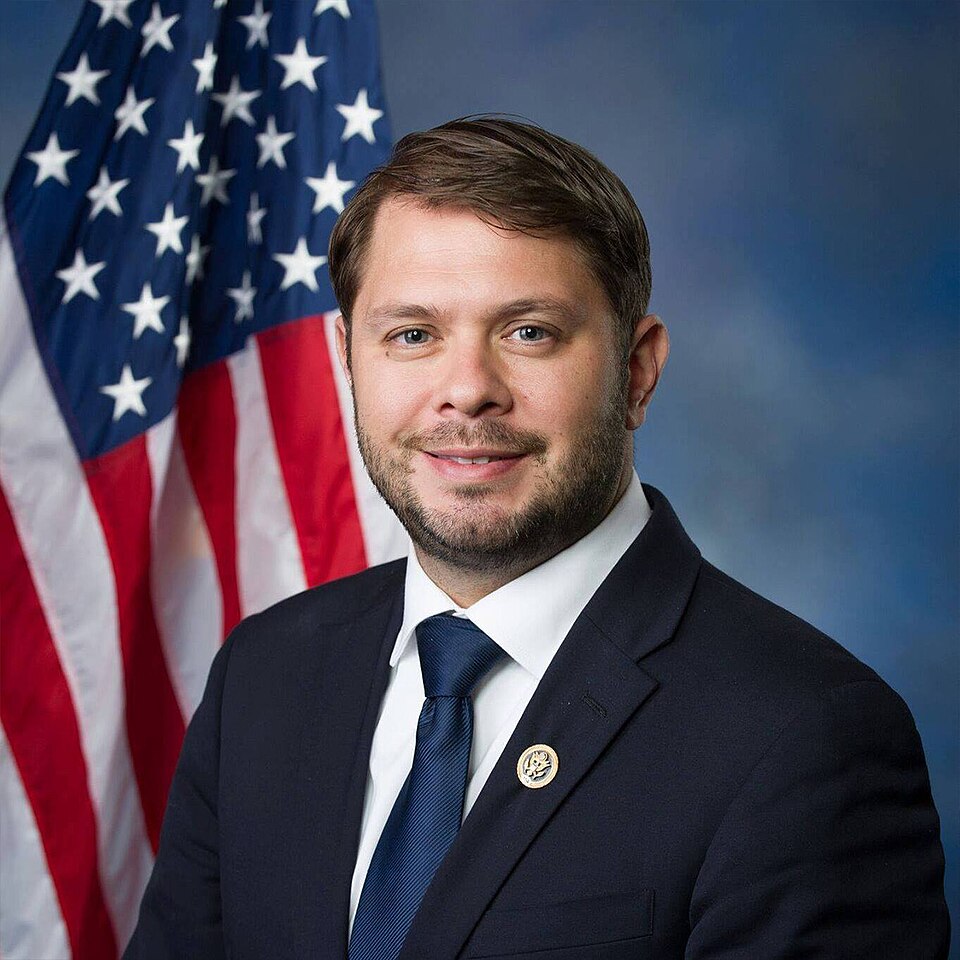
The Ruben Gallego staffer relationship report arrives at a moment when Gallego’s political profile is expanding. The Arizona senator has built a national reputation through his background as a Marine veteran, his competitive Senate campaign, and his focus on working-class voters.
That growing profile means increased attention. Politicians with national ambitions often face deeper scrutiny because voters evaluate more than policy positions. They also examine judgment, leadership style, personal decisions, and responses during difficult moments.
For Gallego, the controversy creates a challenge that extends beyond the immediate allegations. Political observers often note that reputation can be one of the most valuable assets for a public figure, but it can also be vulnerable when unanswered questions arise.
The report does not establish wrongdoing on its own. However, it raises questions about political judgment and whether voters believe elected officials should provide greater clarity when their personal decisions intersect with their professional roles.
The situation reflects a broader trend in American politics. Public expectations around transparency have changed significantly over the past decade, especially after national conversations about workplace power and accountability.
Officials from both political parties have faced increased demands to explain their behavior. The public has become more interested in how leaders handle relationships, workplace culture, and ethical responsibilities.
Schumer’s Silence Highlights Washington’s Difficult Accountability Debate
The Ruben Gallego staffer relationship report quickly brought questions to Democratic leadership. Reporters asked Chuck Schumer whether he had concerns about the allegations, but the Senate minority leader declined to discuss the matter.
Schumer said he was focused on responding to President Donald Trump’s planned address rather than commenting on the controversy. His decision reflected a common approach among political leaders who avoid making judgments until all the facts are available.
Still, silence from party leaders can create its own political consequences. When lawmakers demand answers from opponents but offer limited responses involving their own allies, critics often accuse them of applying inconsistent standards.
This pattern has appeared across American politics for decades. Political parties frequently defend their members during controversies while demanding immediate accountability from officials on the other side.
The challenge for party leaders is finding a balance between fairness and responsibility. They must avoid declaring conclusions without evidence while also recognizing that voters expect serious questions to receive serious responses.
Schumer’s reaction does not prove support or opposition toward Gallego. It simply shows the difficult position party leaders face when personal allegations become political issues.
The Difference Between Breaking Rules and Losing Public Trust
One of the most important aspects of the Ruben Gallego staffer relationship report involves the difference between legal standards and public expectations.
Congressional ethics rules do not prohibit every romantic relationship between lawmakers and congressional employees. The rules focus heavily on situations in which a member has direct authority over an employee or in which a relationship creates a conflict involving official responsibilities.
According to the report, the staffers involved did not work directly for Gallego. If accurate, that distinction could affect whether specific House ethics rules apply.
However, public trust often operates differently from formal regulations. Voters may question whether elected officials made responsible decisions even when a specific rule was not violated.
This distinction has shaped many political controversies. A lawmaker may meet the minimum requirements of an ethics rule while still facing criticism over judgment and appearance.
The broader issue is whether elected officials should consider only what rules allow or also consider how their decisions affect public confidence. In government, perception can influence trust just as much as formal investigations.
The Ruben Gallego staffer relationship report has therefore become part of a larger conversation about expectations for public officials. The debate is not only about what is permitted, but also about what voters consider appropriate.
Congress Faces Renewed Questions About Workplace Culture
The controversy has reopened discussions about workplace relationships inside Congress. Capitol Hill operates differently from many traditional workplaces because lawmakers, staff members, political organizations, and advocacy groups often work in close professional circles.
That environment creates unique challenges. Members of Congress wield significant influence, and staff members often rely on professional networks that can affect their future career opportunities.
The modern conversation about workplace conduct changed dramatically after the rise of the #MeToo movement. Many institutions reviewed policies and recognized that power differences can complicate professional relationships.
Congress responded with reforms designed to improve workplace protections and strengthen accountability systems. These changes reflected growing public demand for safer and more transparent professional environments.
The report on Ruben Gallego staffer relationships has brought those broader questions back into focus. Even when allegations do not involve claims of harassment, questions about workplace boundaries and political power remain part of the discussion.
The issue is complicated because lawmakers are also private citizens. The challenge is determining where personal freedom ends and public responsibility begins.
Previous Ethics Review Adds Complexity to the Situation
The report on Ruben Gallego’s staffer relationships also emerged after a separate ethics matter involving the senator. Earlier in 2026, the Senate Ethics Committee dismissed a complaint involving allegations of sexual misconduct and campaign finance violations.
The committee’s decision meant that investigators did not find evidence supporting violations related to that specific complaint. Gallego argued that the allegations were politically motivated and said the dismissal supported his position.
That outcome remains an important part of the public record. However, the earlier ethics review involved different allegations and does not automatically resolve questions raised by the newer report.
Political controversies often become complicated because separate events can become connected in public discussion. Previous investigations may shape perceptions, even when they address different issues.
The distinction between the two matters is important. A previous ethics decision should not be ignored, but it should also not be expanded beyond what investigators actually reviewed.
The Ruben Gallego staffer relationship report now stands as a separate issue that depends on its own facts, evidence, and responses.
A Test of Transparency as Gallego’s National Profile Grows

For politicians with national ambitions, moments of controversy often become tests of communication and leadership. The response can sometimes matter as much as the original accusation.
Gallego’s initial response was brief. He said he would not engage in gossip when questioned about the report.
That approach may reflect a desire to avoid escalating attention. Political advisers often warn that lengthy responses can extend news cycles and create additional questions.
However, unanswered questions can also create uncertainty. Voters often look for clarity when allegations involve public figures, especially those who may seek higher office.
The report on Ruben Gallego’s staffer relationships could influence how voters view his approach to accountability. Supporters may argue that private matters should not define public service, while critics may argue that leaders should provide more transparency.
History shows that political controversies rarely disappear simply because officials avoid discussing them. They often continue until voters feel they understand the facts and the response.
The Larger Question Washington Must Answer
The Ruben Gallego staffer relationship report has become about more than one senator. It reflects a larger debate over trust, ethics, and the expectations placed on elected officials.
The public wants leaders to be treated fairly and judged based on evidence. At the same time, voters increasingly expect transparency when questions involve workplace relationships and positions of power.
The coming weeks may determine whether this controversy remains a short political dispute or becomes a lasting challenge for Gallego’s reputation. Much depends on whether new information emerges and how the senator addresses remaining questions.
For Washington, the issue highlights a continuing challenge. Political institutions depend on public confidence, and confidence depends on leaders showing that accountability applies consistently.
The Ruben Gallego staffer relationship report may ultimately be judged not only by the allegations themselves, but by how elected officials respond when difficult questions arise. In politics, trust is rarely lost in a single moment. It is shaped by every decision made afterward.